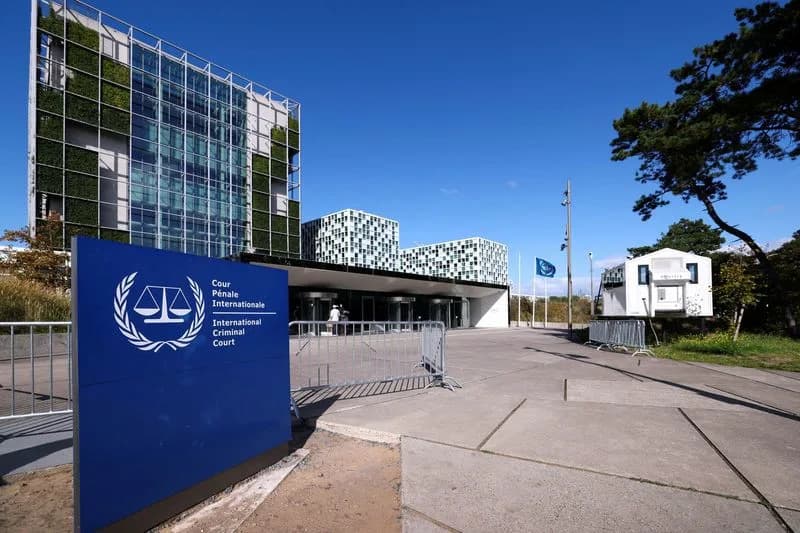
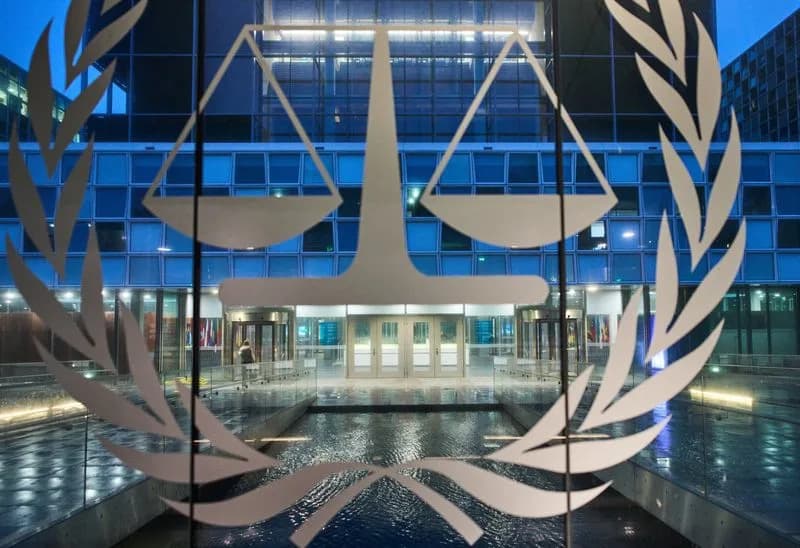
Hungary's parliament voted on May 27 to cancel a 2025 decision to leave the International Criminal Court, following a pledge by new Prime Minister Peter Magyar to halt the withdrawal. The reversal responds in part to controversy after Israeli Prime Minister Benjamin Netanyahu visited Hungary despite an ICC arrest warrant. The law emphasizes the ICC's role in holding perpetrators of war crimes, crimes against humanity and genocide to account and frames continued membership as necessary for international peace, security and human rights.
Hungary Reverses ICC Exit: Parliament Passes Law to Remain in International Criminal Court
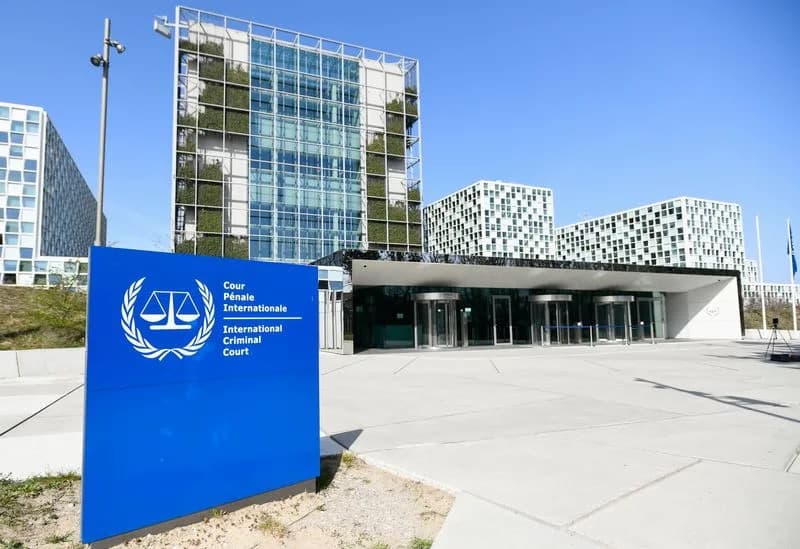
An exterior view of the International Criminal Court in the Hague, Netherlands, March 31, 2021. REUTERS/Piroschka van de Wouw
BUDAPEST, May 27 — Hungary's parliament on Wednesday approved legislation to keep the country a member of the International Criminal Court (ICC), overturning a 2025 decision by the government of Viktor Orbán to withdraw.
The vote implements a pledge by Prime Minister Peter Magyar, who replaced Orbán after last month's parliamentary elections and promised to halt the withdrawal process and restore Hungary's participation in the court.
Context and Rationale
The ICC, established more than two decades ago, prosecutes individuals accused of war crimes, crimes against humanity and genocide. Supporters of the law say continued membership underscores Hungary's commitment to international justice, human rights and global security.
Orbán's government announced its intention to withdraw in April 2025, shortly after Israeli Prime Minister Benjamin Netanyahu made a state visit to Hungary despite an ICC arrest warrant. Hungary declined to arrest Netanyahu during the visit and described the warrant as "brazen."
"In the interest of international peace and security, and for the protection of human rights it is ... necessary to hold those who committed the worst of international crimes, accountable in an international court," the legislation states.
The new law concludes that maintaining Hungary's participation in the ICC is necessary. The parliamentary decision signals a notable shift in Budapest's approach to international institutions and could influence the country's diplomatic and legal cooperation abroad.
(Reporting by Krisztina Than; Editing by Thomas Derpinghaus)
Help us improve.