The RSPB reports 921 confirmed attacks on birds of prey in Britain between 2015 and 2024, with over half occurring on or near game-shooting land. The charity says many attacks are financially motivated to protect young game and that hidden-camera and forensic evidence helped secure three convictions this year. The RSPB is calling for licensing of gamebird shooting in England and Wales so civil sanctions could be used where criminal prosecutions are difficult; shooting groups oppose the move and the government has not yet adopted the proposal.
RSPB: 921 Confirmed Attacks On Britain's Birds Of Prey (2015–2024) — Charity Calls For Licensing Of Game Shooting
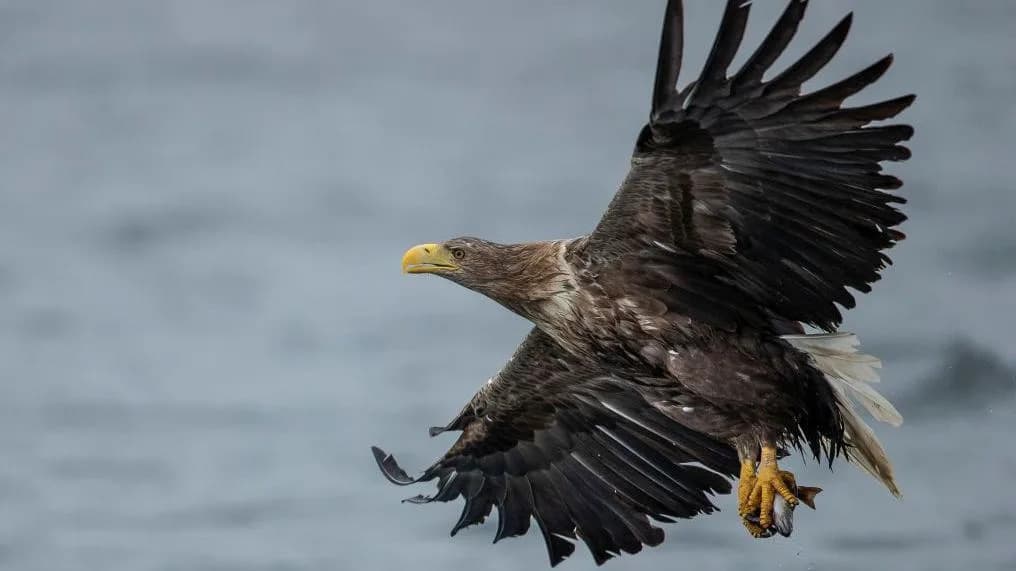
Fewer then 150 pairs of White-tailed Eagles are thought to live in the UK [Getty Images]
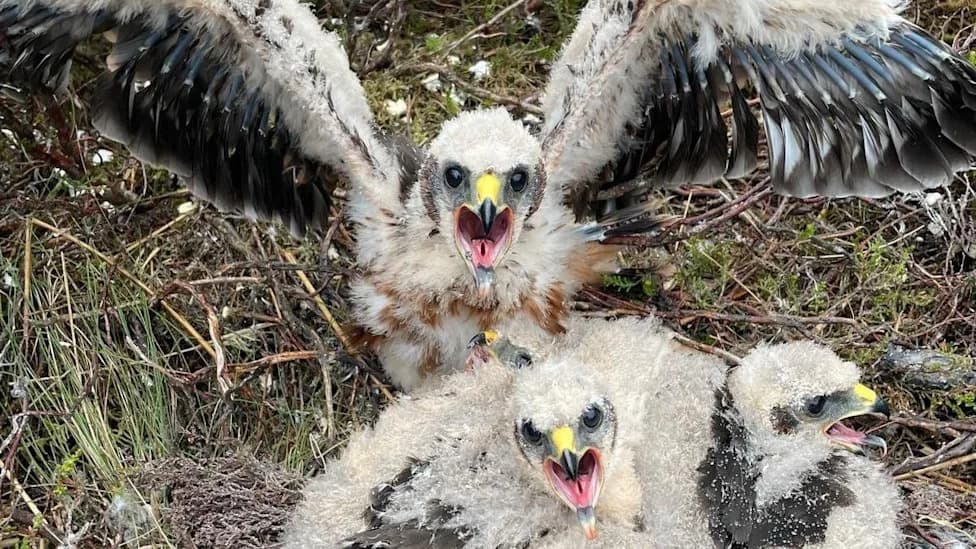
The Royal Society for the Protection of Birds (RSPB) says some of Britain's rarest birds of prey continue to be illegally shot, trapped and poisoned despite decades of legal protection. Its new report records 921 confirmed attacks between 2015 and 2024, and finds that more than half occurred on or near land managed for game shooting.
Key Findings
The RSPB classifies incidents as "confirmed" only when supported by forensic evidence, eyewitness accounts or video footage. The report names targeted species including eagles, red kites, peregrine falcons, hen harriers, goshawks and barn owls. The charity says the motive is often financial: reducing predation of young pheasants, partridges or grouse to leave more birds for paying shooters.
Investigations and Convictions
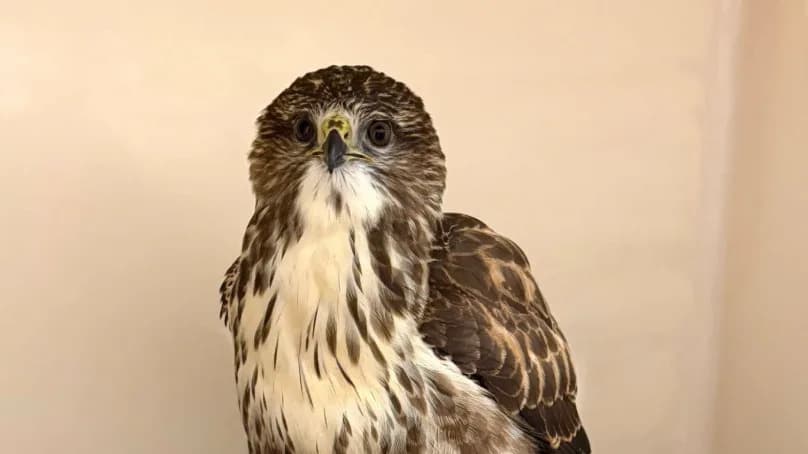
The RSPB's investigations unit, staffed by former police officers and bird specialists, has used covert surveillance and forensic methods to build cases. The charity says evidence gathered this year helped secure three convictions. Two cases involved birds being beaten to death after capture in traps (a buzzard and a goshawk). The third came from covert surveillance at a hen harrier roost in the Yorkshire Dales, where evidence captured a planned attempt to kill a hen harrier.
Footage recorded the head gamekeeper Racster Dingwall arriving with a shotgun and captured discussions about killing protected birds and concerns over satellite-tagging. Dingwall later admitted offences linked to an attempt to kill a protected hen harrier and was fined £1,520.
Trapping Rules And Misuse
Some live-capture traps are lawful for pest control of species such as crows and pigeons, but the RSPB highlights that traps must be checked regularly and non-target species released unharmed. Misuse of traps and deliberate targeting of raptors remain central concerns in the report.
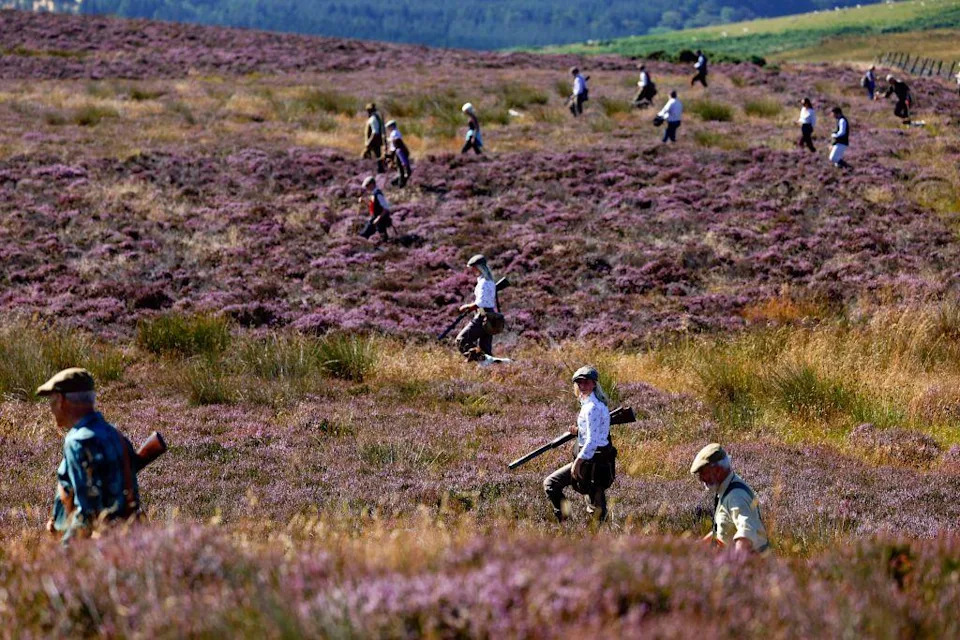
Shooting organisations say gamebird shooting contributes to rural economies [Getty Images]
Call For Licensing And Reactions
The RSPB is urging that gamebird shooting in England and Wales be licensed—similar to the licensing of red grouse shooting in Scotland—so licences can be suspended or revoked on a civil standard of proof where criminal prosecution is difficult. The charity argues prosecutions alone have not halted long-term persecution.
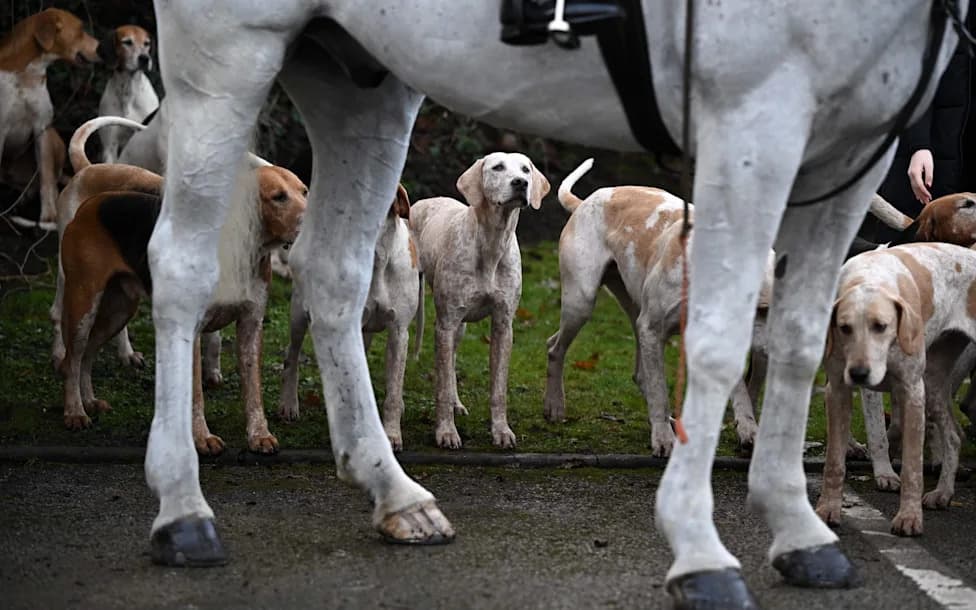
Shooting organisations strongly deny that persecution is widespread. Dr Marnie Lovejoy of the British Association for Shooting and Conservation (BASC) told the BBC that those who commit crimes "have no place in the modern shooting community" and argued that the sector already faces legal regulation. BASC also highlighted that shooting interests contribute about £500 million a year to conservation work.
The government has not adopted the RSPB's licensing proposal but says it will work with the shooting sector and others to explore wider measures, including licensing. A Defra spokesperson said: "Many estates already meet high environmental standards, and we want all estates to achieve these same high standards."
Expert View
Professor Davy McCracken of Scotland's Rural College, who has studied upland management for 35 years, said the tension between raptor protection and grouse management is ultimately economic. He added that persecution is carried out by a minority and warned that focusing only on offenders can obscure legitimate conservation work within the sector.
What This Means
The RSPB's report adds renewed momentum to calls for stronger regulatory tools alongside criminal enforcement. Licensing advocates say it would allow civil sanctions where criminal convictions are hard to obtain; opponents say it would unfairly penalise responsible estates and risk harming conservation contributions from the shooting sector.
Help us improve.