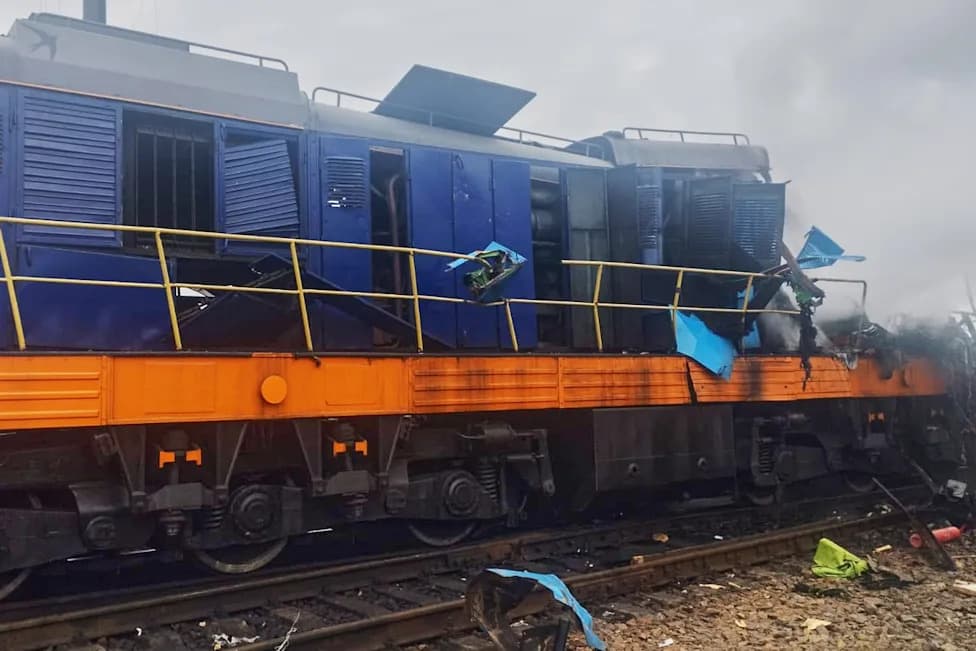
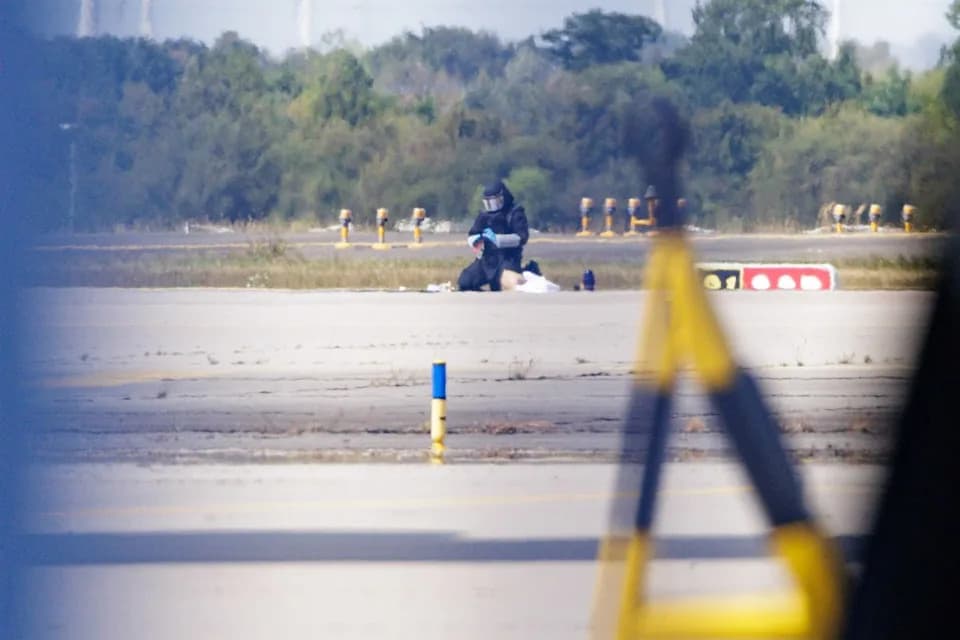
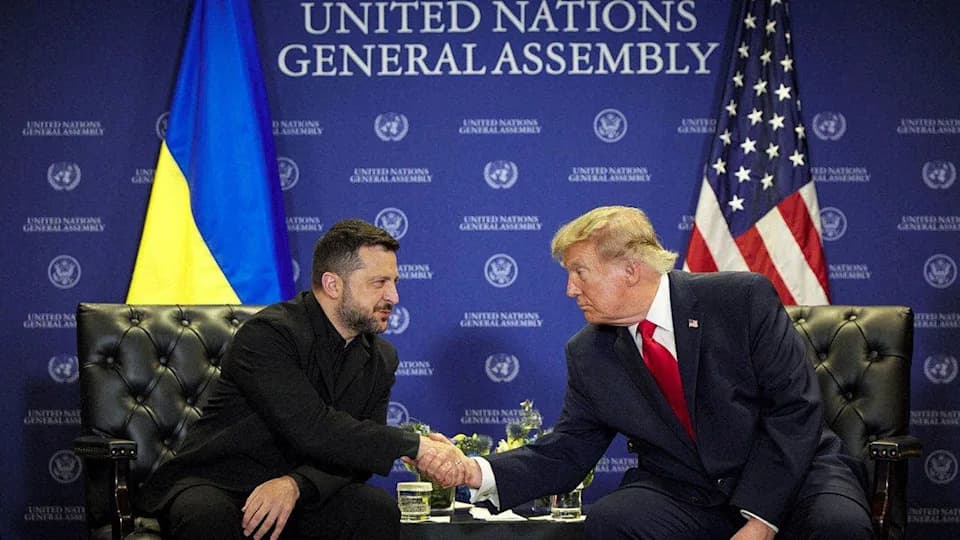
The war in Ukraine is reshaping NATO’s priorities and capabilities. Eastern European leaders say Ukraine has become a proving ground for drone warfare, decentralized weapons production and resilient civilian-military systems. NATO officials and the Pentagon are studying Kyiv’s wartime industrial adaptation while debates grow about a new "NATO 3.0" in which Europe assumes greater conventional defense responsibilities as the U.S. pivots to the Indo-Pacific.
Ukraine’s Battlefield Is Rewriting NATO’s Future — Drones, Industry and 'NATO 3.0'
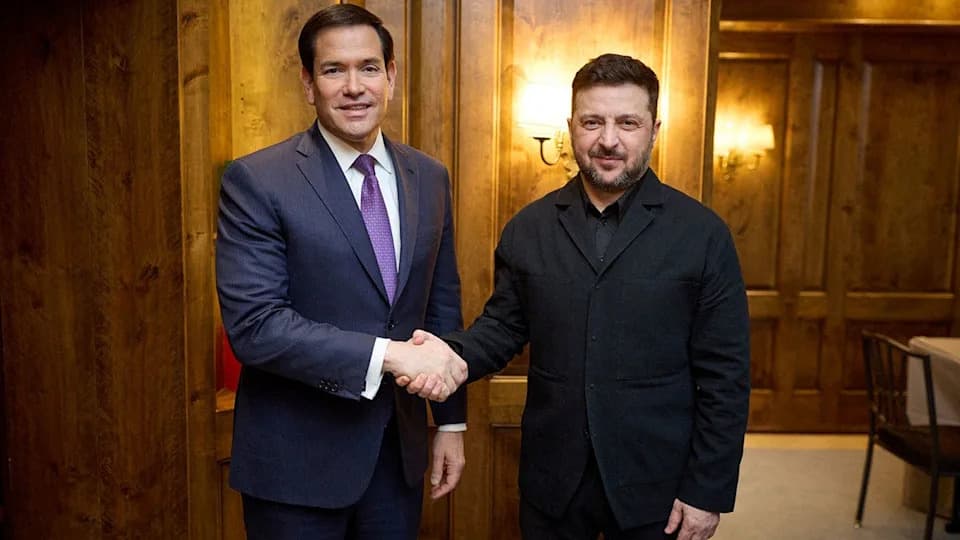
Ukraine's President Volodymyr Zelenskyy and Secretary of State Marco Rubio shake hands at the Munich Security Conference in Germany, Feb. 14, 2026.(Reuters Photos)
LVIV, Ukraine — Four years into Russia’s invasion, officials across NATO’s eastern flank say combat in Ukraine is already reshaping the alliance’s priorities, doctrine and industrial posture.
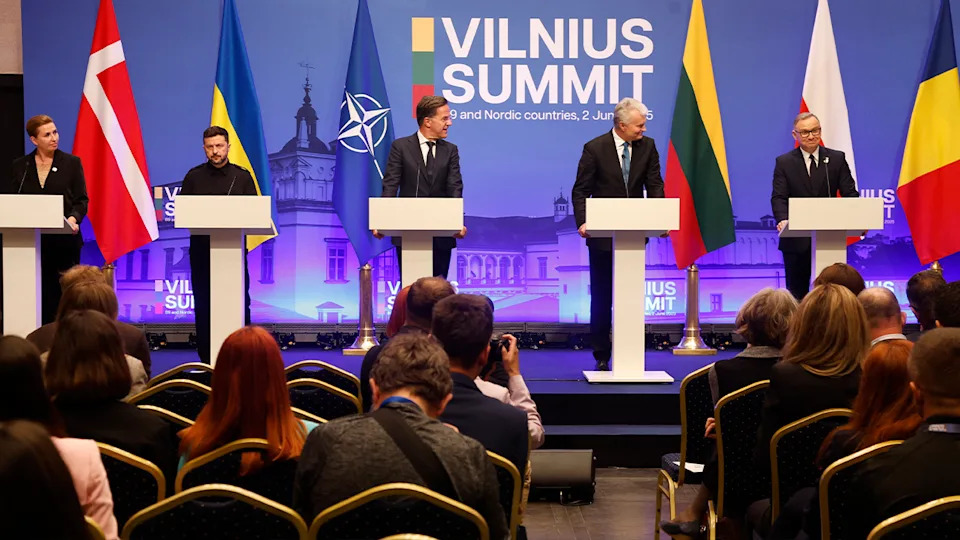
Ukrainian President Volodymyr Zelensky joins European and NATO officials at a press conference during a NATO summit in Vilnius, Lithuania, on June 2, 2025.
Battle-Tested Lessons
From drone tactics and cyber defense to civilian resilience and large-scale mobilization, Eastern European leaders describe Ukraine as one of the most battle-tested militaries in the world. NATO leadership recently confirmed that Ukrainian President Volodymyr Zelenskyy has been invited to the alliance’s leaders’ summit in Ankara in July, underscoring Kyiv’s central role in conversations about NATO’s future despite Ukraine not being a member.
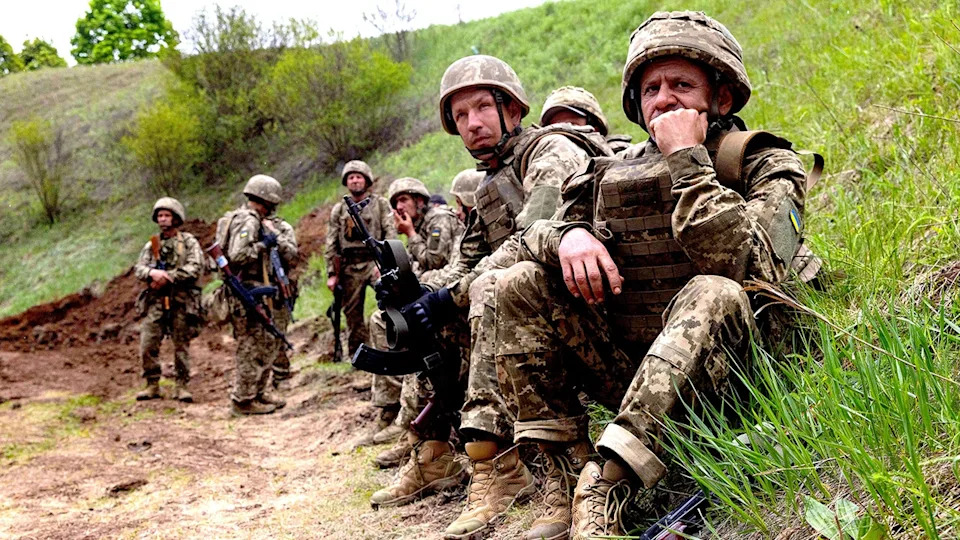
Newly recruited soldiers of Ukraine’s 159th Separate Mechanized Brigade take part in military exercises at a training ground on May 14, 2026, in Kharkiv Oblast, Ukraine.
“I think today the Ukrainian army is the number one army in Europe,”
— Lviv Mayor Andriy Sadovyi
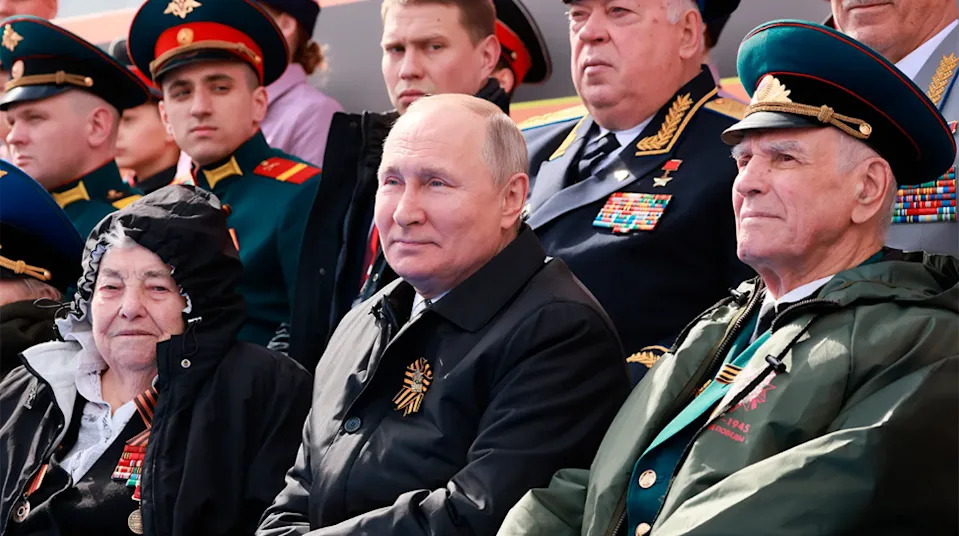
Russian President Vladimir Putin attends the Victory Day military parade marking the 77th anniversary of the end of World War II in Moscow, May 9, 2022.
Industrial Adaptation And Munitions
U.S. and European officials warn that current munitions production across the alliance is insufficient for a potential high-intensity conflict. Retired Lt. Gen. Richard Newton and Pentagon observers are studying how Ukraine rapidly adapted its defense industrial base—shifting private-sector capacities, particularly in tech, toward weapons production and repair—to ramp up both quality and quantity for frontline needs.
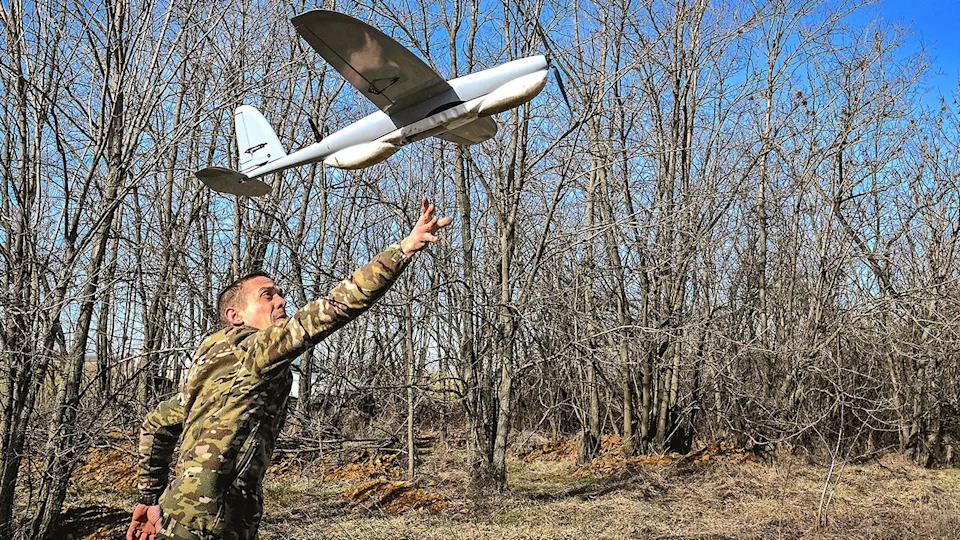
A soldier launches an RQ-35 Heidrun drone used for reconnaissance and artillery fire correction in the Zaporizhzhia, Ukraine, on Feb. 22, 2026.
Drones, Airpower And Innovation
Senior military voices argue the war has accelerated the rise of unmanned systems and exposed limits in traditional airpower. Retired Gen. Philip Breedlove said the conflict has changed global perceptions of modern warfare and highlighted the growing centrality of drones, counter-drone systems, resilient battlefield communications and distributed manufacturing.
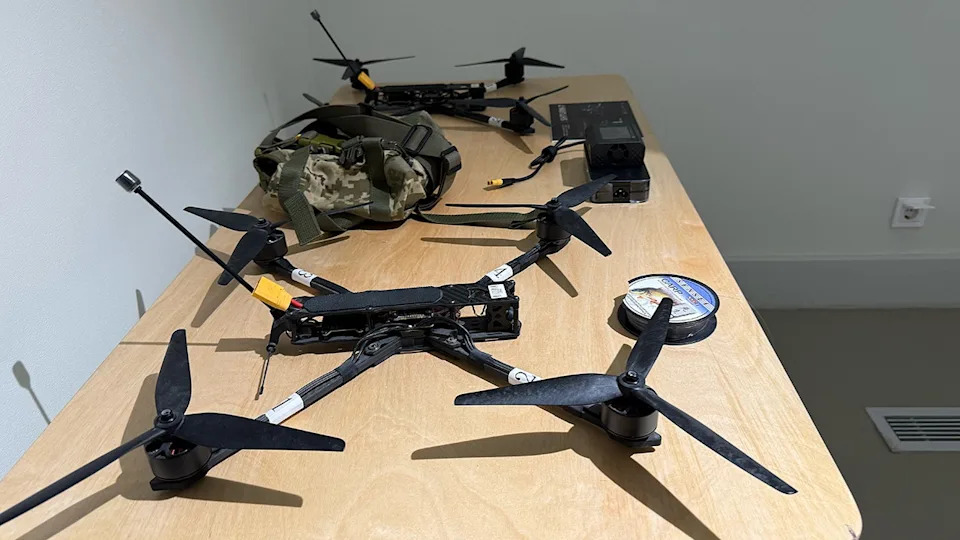
Ukrainian-made drones are displayed at a military technology exhibition in western Ukraine.
Ukraine’s prewar IT clusters and private tech firms have pivoted to defense roles, developing drones, electronic warfare tools and logistics solutions. Local officials describe an emergent wartime innovation ecosystem that NATO partners are studying closely.
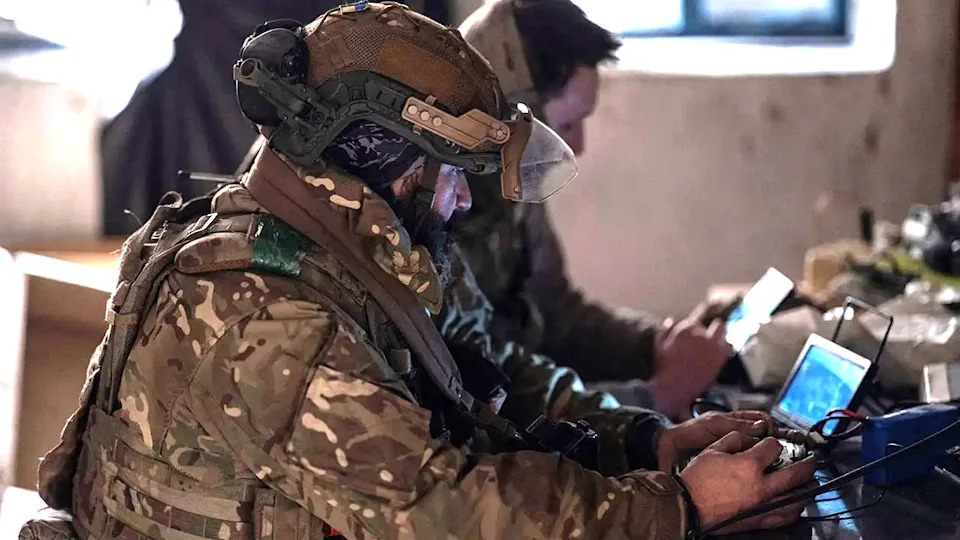
Service members control an FPV drone with optical fibre guidance to deliver a parcel to frontline troops in Kostiantynivka, Donetsk region, Ukraine, on Feb. 17, 2026.
Strategic Shifts — The 'NATO 3.0' Debate
Polish and U.S. officials are debating a strategic recalibration often called "NATO 3.0," in which European members assume heavier responsibility for conventional defense as the United States shifts more focus to the Indo-Pacific. Poland has dramatically increased defense spending—approaching 5% of GDP this year—and Warsaw positions itself as a leading conventional bulwark on NATO’s eastern flank.
That shift coincides with recent NATO enlargement: Finland joined in 2023 and Sweden in 2024, adding new territory along Russia’s border and expanding collective deterrence.
Politics, Membership And Deterrence
Alliance leaders remain cautious about offering Ukraine a membership timetable because of the risk of direct confrontation with Russia. Still, many Eastern European officials argue NATO’s future — whether or not Ukraine is formally admitted — will be shaped by the tactics, industry and forces forged on Ukraine’s battlefield.
Key takeaway: The conflict has prompted NATO to rethink production, tactics and burden-sharing, accelerating a shift toward distributed defense capabilities, increased European conventional responsibility and a central role for unmanned systems on future battlefields.
Help us improve.