Firefighters and statewide experts are working to avert an explosion after a tank of methyl methacrylate warmed to 90°F (32°C) at a GKN Aerospace site in Garden Grove. Mandatory evacuations cover tens of thousands and nearby shelters have filled. Teams are weighing heavy cooling, neutralization of a nearby 15,000-gallon tank, and containment measures to prevent up to a 7,000-gallon toxic spill. Officials say air monitors had not detected vapor but warn prolonged exposure could harm respiratory health.
California Races to Avert Explosion as Chemical Tank Warms, Forcing Tens of Thousands to Evacuate
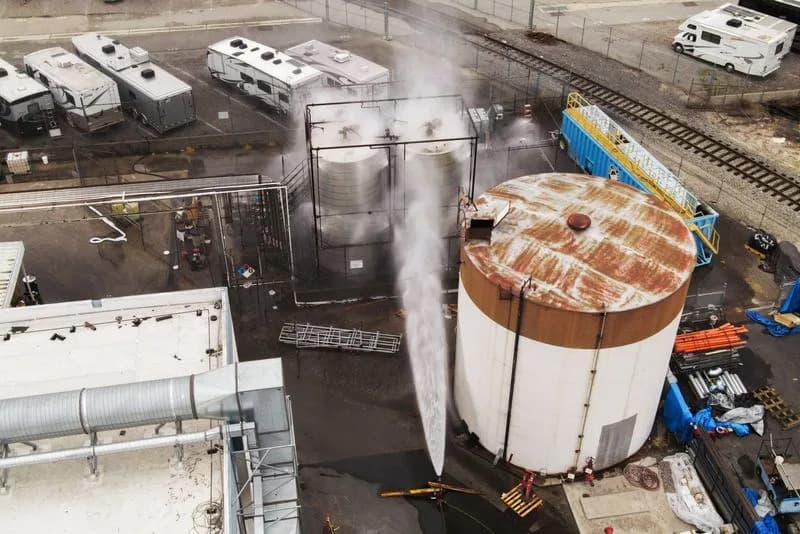
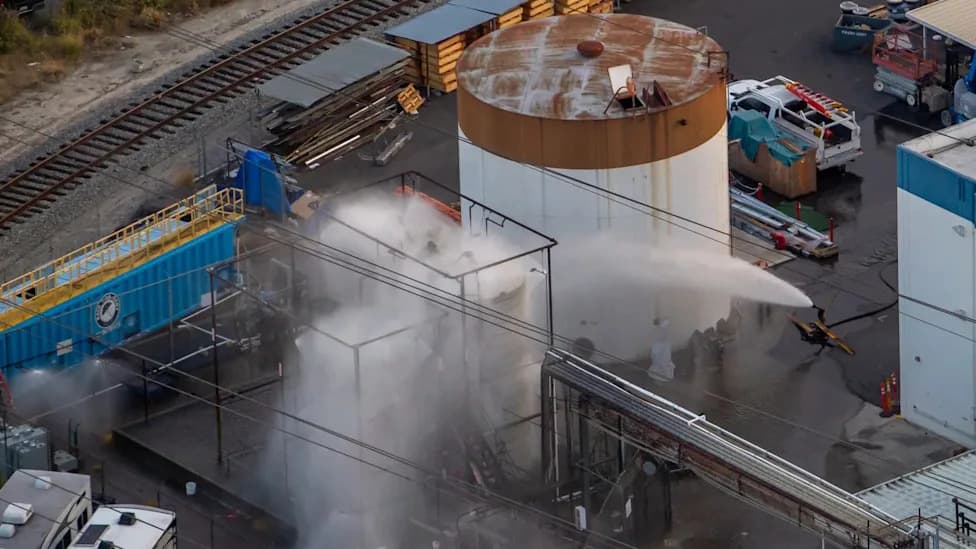
A drone view shows water being sprayed during a chemical incident involving a leaking tank of methyl methacrylate, a flammable liquid used in the aerospace industry, forcing an evacuation in the surrounding area, in Garden Grove, California, U.S., May 23, 2026. REUTERS/David Swanson
Firefighters and specialists raced on Saturday to prevent an explosion or toxic release after a storage tank of methyl methacrylate began heating at a GKN Aerospace facility in Garden Grove, California. Mandatory evacuations remained in place for tens of thousands of residents while several nearby shelters reported reaching capacity.
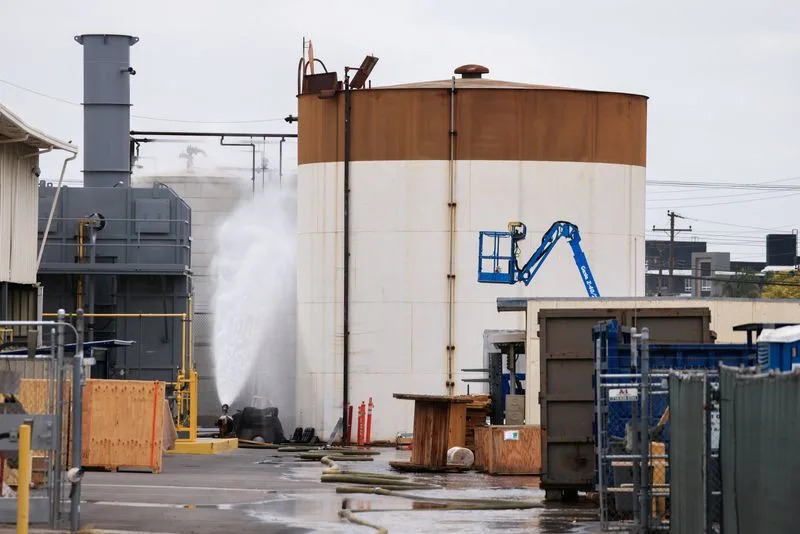
Water is sprayed during a chemical incident involving a leaking tank of methyl methacrylate, a flammable liquid used in the aerospace industry, forcing an evacuation in the surrounding area, in Garden Grove, California, U.S., May 23, 2026. REUTERS/David Swanson
Governor Gavin Newsom declared a state of emergency for Orange County and urged residents to comply with evacuation orders as crews and outside experts explored aggressive tactics to cool and stabilize the tank.
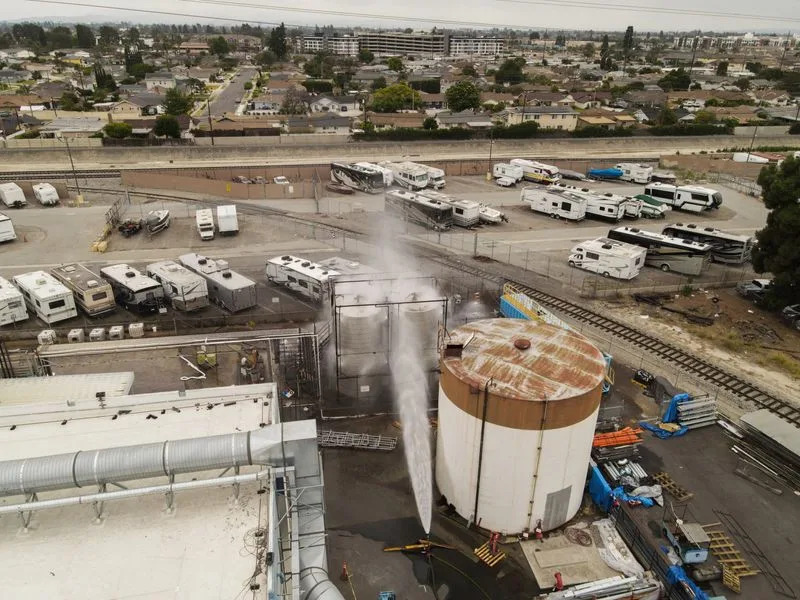
A drone view shows water being sprayed during a chemical incident involving a leaking tank of methyl methacrylate, a flammable liquid used in the aerospace industry, forcing an evacuation in the surrounding area, in Garden Grove, California, U.S., May 23, 2026. REUTERS/David Swanson
What officials found
After drone readings suggested earlier that water spray was helping stabilize conditions, crews entered the danger zone overnight to check the tank directly. They reported the internal temperature had risen to 90°F (32°C), up from 77°F (25°C) when responders previously withdrew. Officials said the temperature was increasing at roughly one degree per hour.
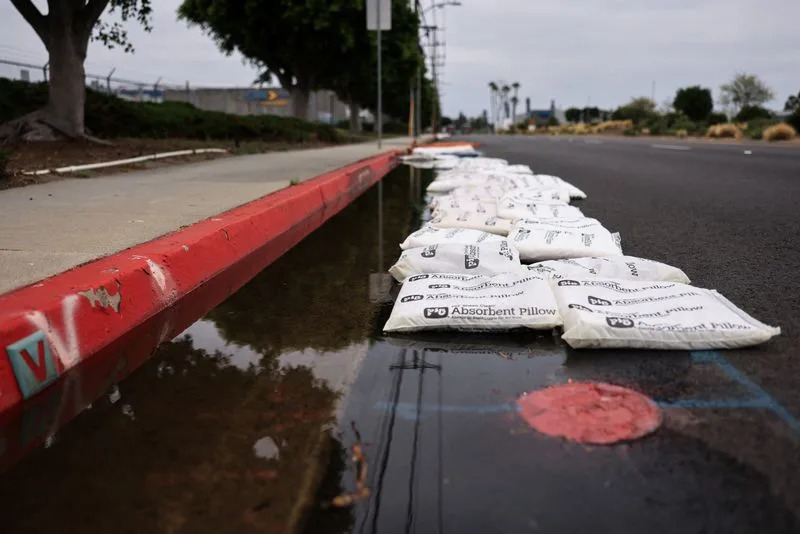
Absorbent pillows are used along a road during a chemical incident involving a leaking tank of methyl methacrylate, a flammable liquid used in the aerospace industry, forcing an evacuation in the surrounding area, in Garden Grove, California, U.S., May 23, 2026. REUTERS/David Swanson
Risks and response
The tank holds methyl methacrylate, a flammable chemical used in plastics and manufacturing. Authorities warned the tank could rupture and release up to 7,000 gallons (about 26,500 liters) of material or explode, potentially endangering adjacent tanks and nearby communities.
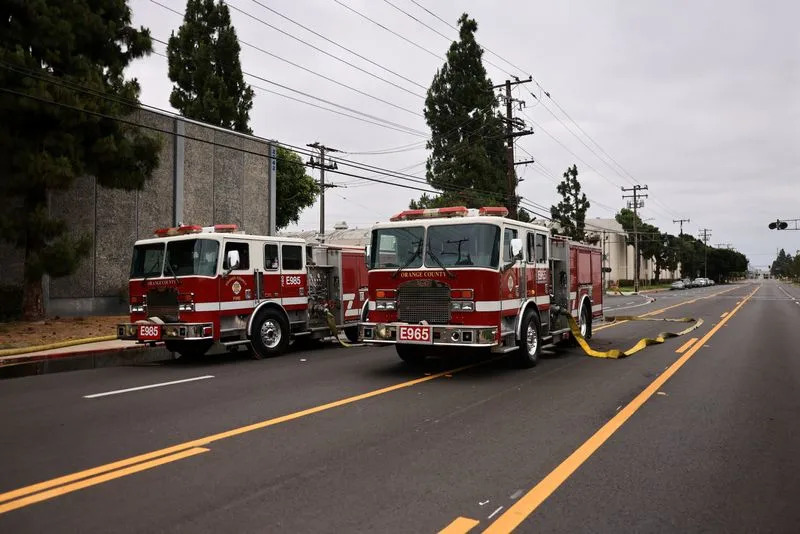
Fire trucks parked during a chemical incident involving a leaking tank of methyl methacrylate, a flammable liquid used in the aerospace industry, forcing an evacuation in the surrounding area, in Garden Grove, California, U.S., May 23, 2026. REUTERS/David Swanson
Orange County Fire Authority Division Chief Craig Covey said teams had "brought in subject matter experts from all across the state to think completely outside the box" and were considering whether a heavier flow of cooling water might slow the internal curing process, reduce pressure and avert an explosion. Crews also shifted from a largely defensive posture to a more "offensive" approach with chemists from the manufacturer’s emergency response team, focusing as well on neutralizing a nearby 15,000-gallon tank.

Food and beverages are distributed outside a shelter for evacuees from an area affected by a chemical incident involving a leaking tank of methyl methacrylate, a flammable liquid used in the aerospace industry, in Fountain Valley, California, U.S., May 23, 2026. The incident occurred in Garden Grove. REUTERS/David Swanson
Responders prepared containment plans to dike, dam and divert any spill into on-site holding areas to prevent it from reaching storm drains, waterways or the ocean. Air-quality monitors had not detected vapor as of the latest update, but health officials cautioned that prolonged exposure to methyl methacrylate vapor could cause serious respiratory problems.
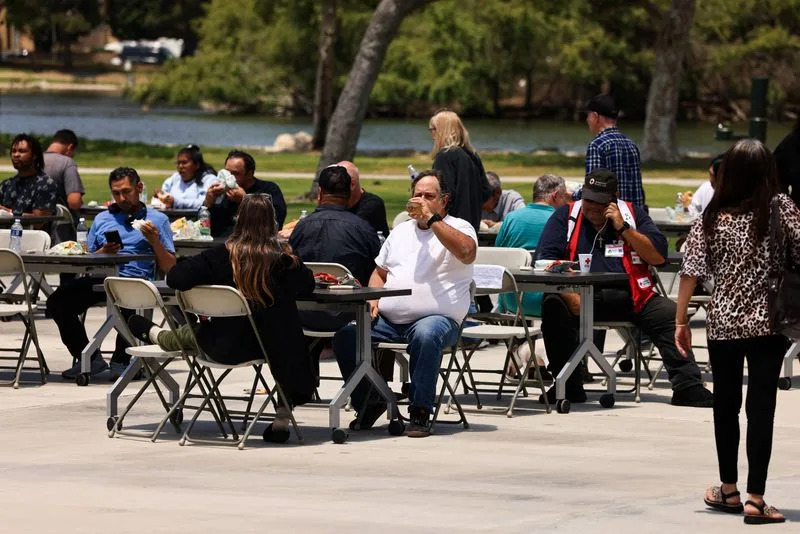
People eat meals at tables set up outside a shelter for evacuees from an area affected by a chemical incident involving a leaking tank of methyl methacrylate, a flammable liquid used in the aerospace industry, in Fountain Valley, California, U.S., May 23, 2026. The incident occurred in Garden Grove. REUTERS/David Swanson
GKN Aerospace said it was coordinating with "all relevant experts" and apologized for the disruption to residents and businesses forced to evacuate. "We are not giving up," Covey said.
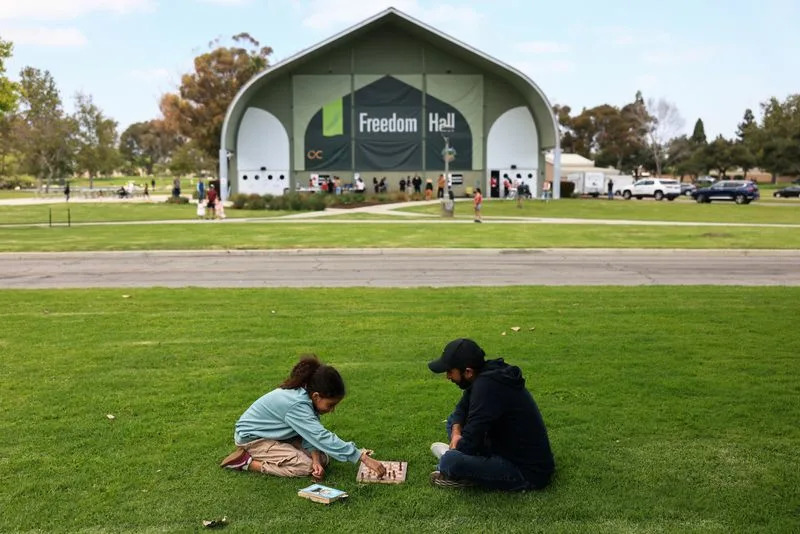
A man and a girl play chess outside a shelter prepared for evacuees from an area affected by a chemical incident involving a leaking tank of methyl methacrylate, a flammable liquid used in the aerospace industry, in Fountain Valley, California, U.S., May 23, 2026. The incident occurred in Garden Grove. REUTERS/David Swanson
Location and context
The incident began Thursday at GKN Aerospace's Garden Grove facility, about 30 miles (50 km) south of Los Angeles. The site manufactures and tests windows and canopies for commercial and military aircraft.
Help us improve.