Researchers in Western Australia are using eDNA metabarcoding of fresh scat to map Gilbert's potoroo diet and identify suitable translocation sites for this critically endangered marsupial. With fewer than 150 individuals in the wild, the species is vulnerable to threats such as the 2015 fire that devastated core habitat at Two Peoples Bay. The study—by Edith Cowan University and the state's Department of Biodiversity, Conservation and Attractions—recommends prioritising areas where companion fungi-eating mammals co-occur to find the right mix of food and habitat. Noninvasive DNA analysis gives conservationists a practical way to establish insurance populations without disturbing the animals.
Scientists Use Scat DNA to Find Safe New Homes for the World's Rarest Marsupial
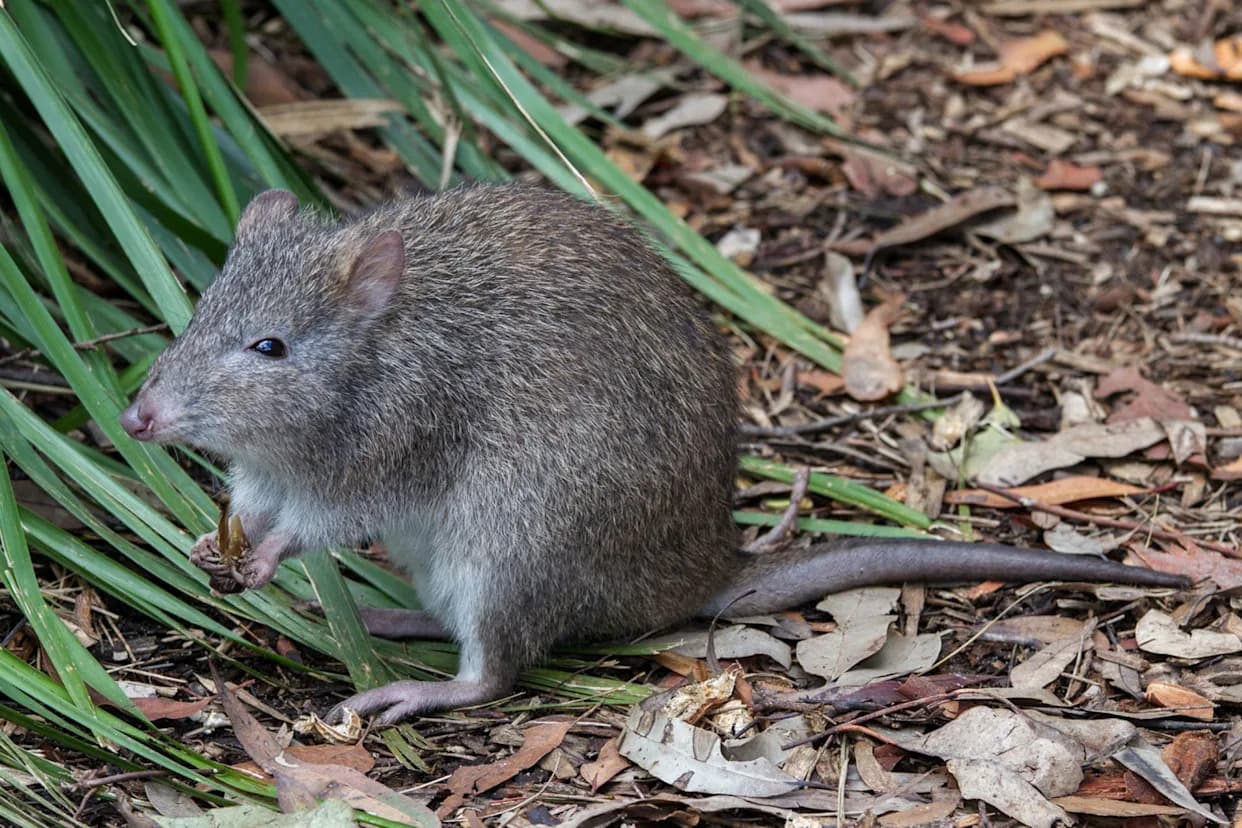
Photo Credit: iStock
Conserving one of the planet's rarest marsupials may depend on an unexpected source: its droppings. Gilbert's potoroo, rediscovered in 1994 after being presumed extinct, remains critically endangered with fewer than 150 individuals left in the wild.
Researchers in Western Australia are analysing fresh potoroo scat using environmental DNA (eDNA) metabarcoding to build a detailed picture of the species' diet. The technique reveals tiny genetic traces of fungi and other food items that are otherwise difficult to identify by eye, helping conservationists pinpoint habitats with the right resources for translocation.
Noninvasive Science, Practical Conservation
Teams from Edith Cowan University and Western Australia's Department of Biodiversity, Conservation and Attractions collected fresh scat samples to avoid disturbing the animals. That noninvasive approach is vital for a population this small.
"We are looking to recover the species through translocations, which is moving organisms from one location to another to create an insurance population in case anything was to happen in their existing populations,"
— Rebecca Quah, Ph.D. student, ECU School of Science
Mycophagous mammals—those that feed primarily on fungi—are challenging to study because many fungal species are undescribed and spores are hard to identify in scat. By sequencing DNA from scat, researchers can reliably catalogue fungal and other dietary items and discover which habitats provide the right mix of food.
Applying Diet Data to Site Selection
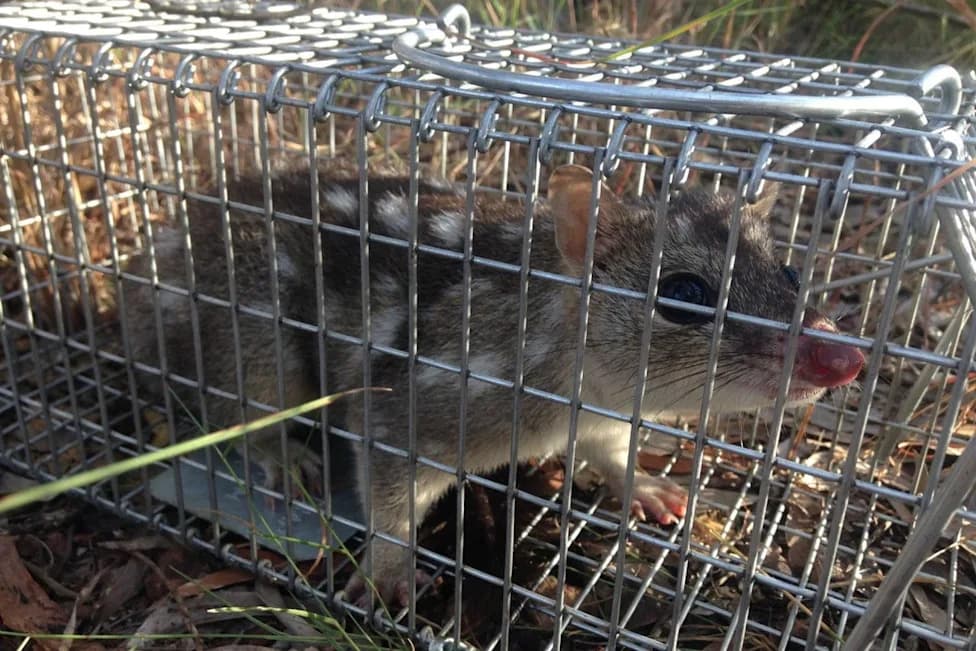
The team compared Gilbert's potoroo diet with that of other fungi-eating species such as quokkas, quendas and bush rats and found dietary overlap. Based on this, they recommend prioritising candidate translocation sites where these companion species still coexist—co-occurrence can indicate a suitable mix of fungal resources and habitat structure.
That targeted strategy offers a practical way to narrow the search for mainland sites where new, secure populations could be established—so-called "insurance populations"—without subjecting potoroos to additional stress.
Why New Populations Are Urgent
In 2015, a bushfire destroyed roughly 90% of core potoroo habitat at Two Peoples Bay, home to the only remaining natural population. The scale of that loss highlights the vulnerability of the species to fire, disease and other threats and underscores the need for multiple, geographically separate populations.
Past attempts at captive breeding proved difficult because the animals are selective eaters. As a result, wild-to-wild translocations have become a more promising recovery tool. Backup populations now exist on Bald Island and inside a fenced reserve at Waychinicup National Park.
"The search for new translocation sites is an important next step in the recovery of Gilbert's potoroo from near-extinction,"
— Dr. Tony Friend
This study demonstrates how noninvasive eDNA methods can strengthen recovery programs by revealing ecological requirements without adding stress to a fragile species. Protecting Gilbert's potoroo also helps preserve the fungal communities and broader ecosystems that local human communities rely on and value.
Help us improve.