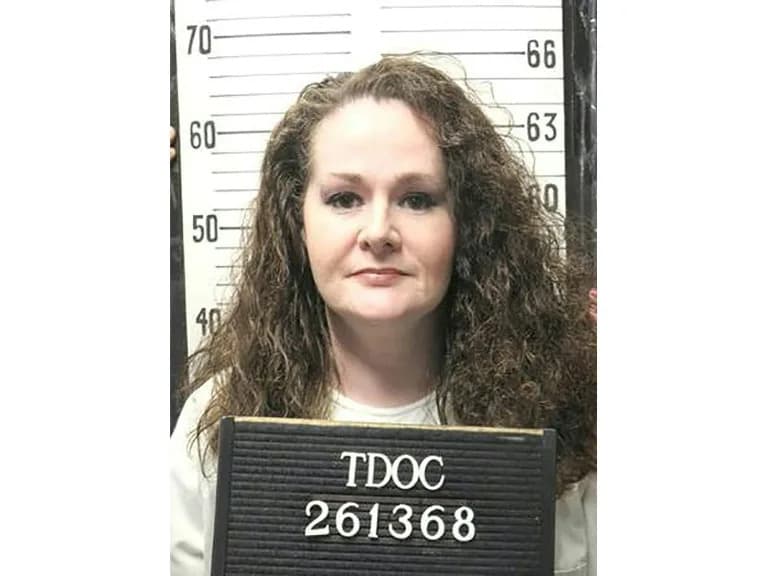
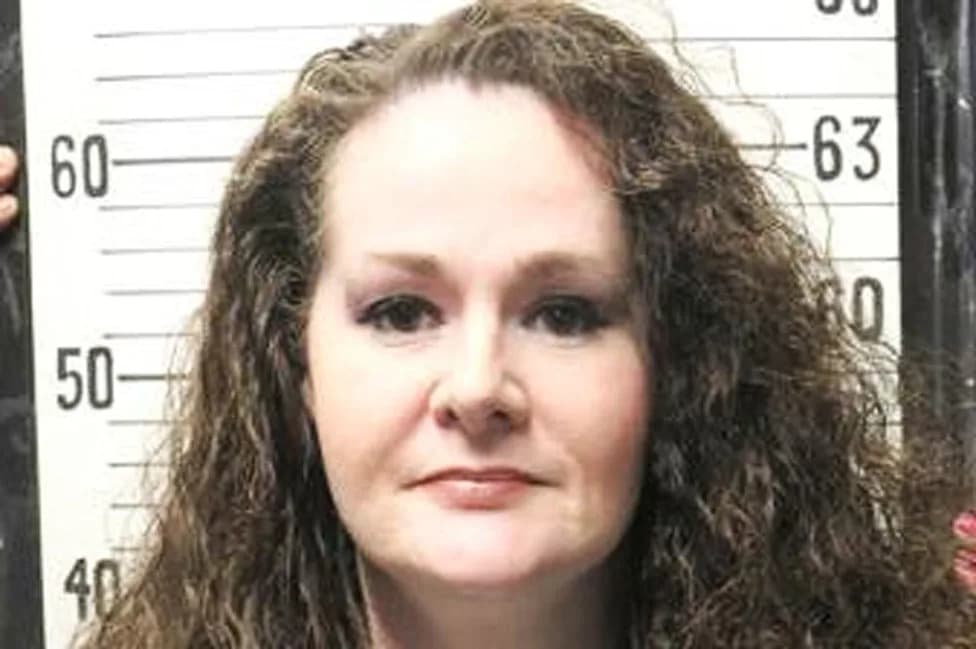
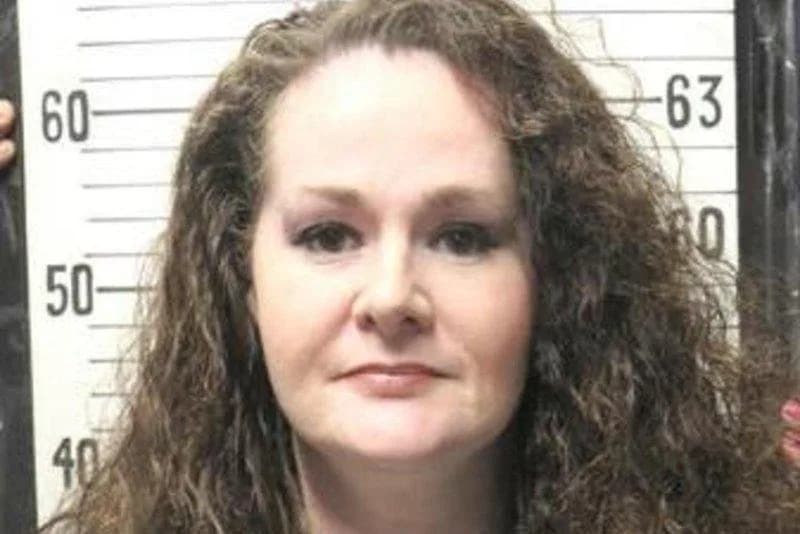
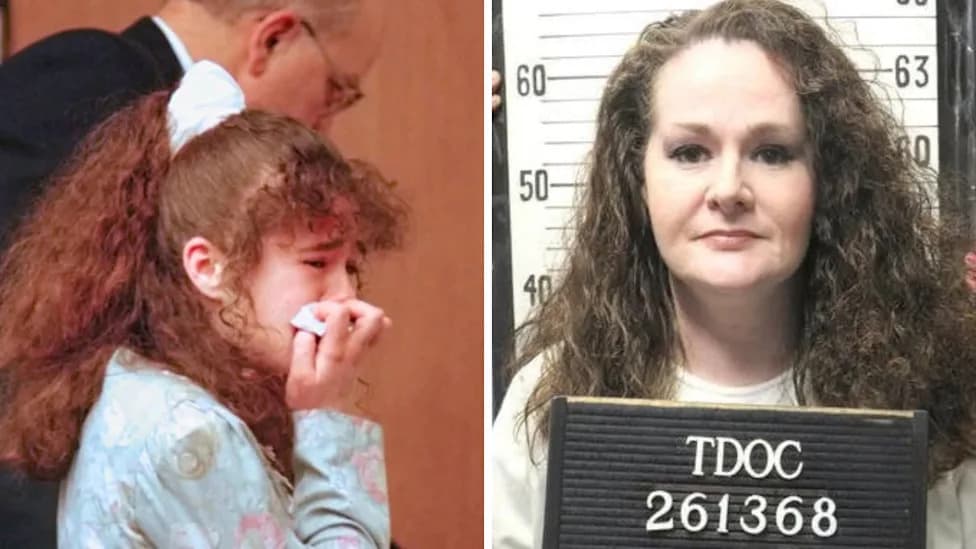
The scheduled execution of Tony Carruthers was halted after medical staff failed for more than an hour to place the backup IV line required by Tennessee protocol, and central line attempts also failed. Governor Bill Lee said the state will not attempt the execution for at least one year. Carruthers' attorney described him as 'wincing and groaning' during the attempts; she reacted emotionally when the reprieve was announced. His legal team contends the conviction relied on disputed testimony and that Carruthers is incompetent.
Tennessee Execution Halted After Repeated IV Failures; Governor Delays Attempt For At Least One Year
Death row inmate Tony Carruthers won't face execution for at least a year after IV line failure in Tennessee
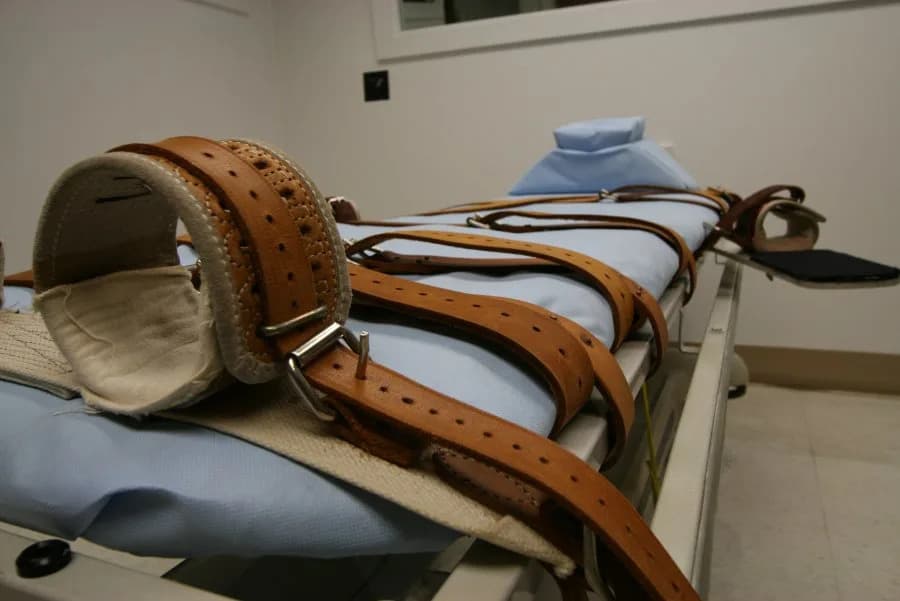
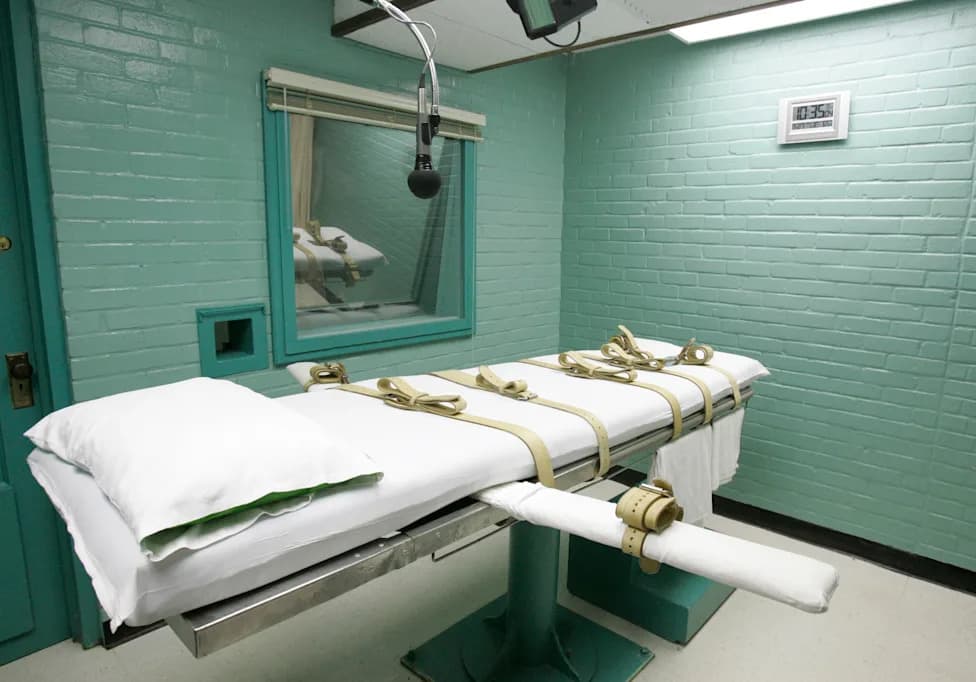
State officials called off the scheduled execution of Tennessee death row inmate Tony Carruthers on Thursday after medical personnel spent more than an hour attempting to secure the backup intravenous access required by the state's protocol.
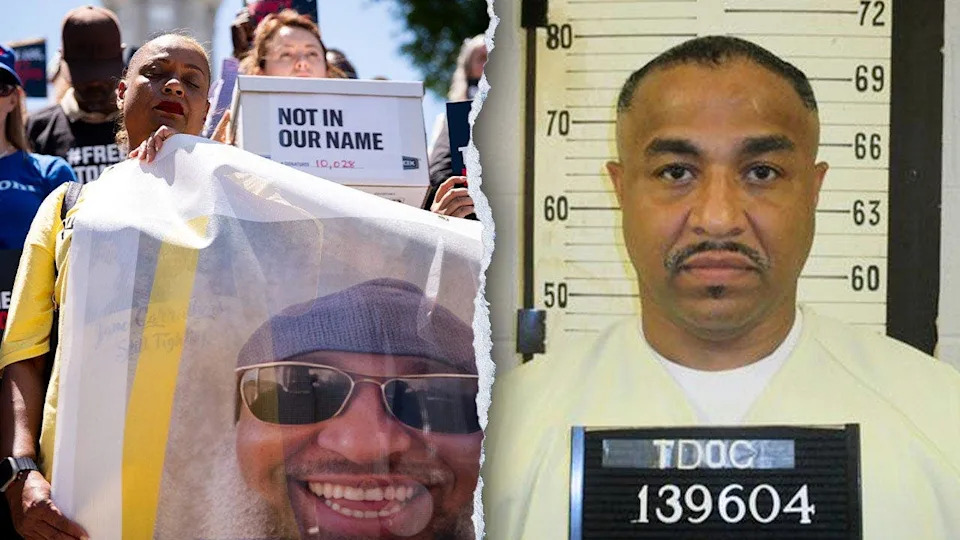
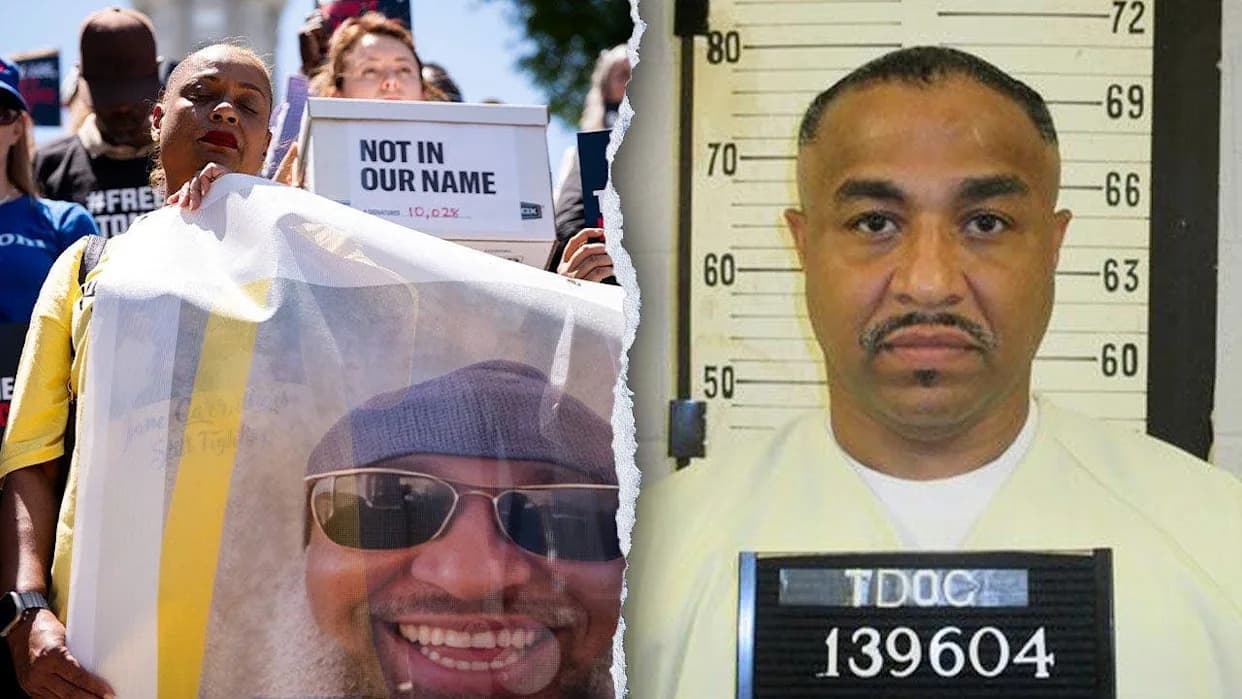
Tonya Carruthers closes her eyes in prayer with other protesters against the execution of Tony Carruthers at the Tennessee Capitol in Nashville, Tenn., on Monday, May 18, 2026. Carruthers' execution was halted Thursday after the execution team tried and failed for over an hour to establish an intravenous line.(AP Images)
The Tennessee Department of Correction said staff quickly placed a primary IV but were unable to locate a suitable vein for the required backup line. After further attempts to insert a central line also failed, officials stopped the procedure. Governor Bill Lee announced the state will not seek to carry out Carruthers' execution for at least one year.
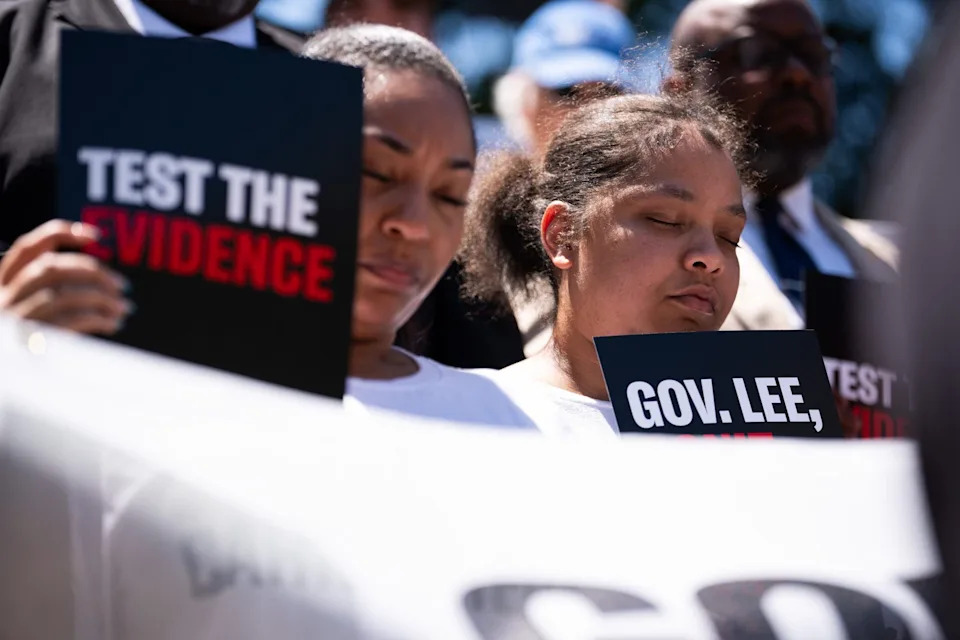
Tori Carruthers and Latobiya Carruthers close their eyes in prayer with other protesters against the execution of Tony Carruthers at the Tennessee Capitol in Nashville, Tenn., on May 18, 2026.
Attorney Reaction and Observations
Carruthers' attorney, Maria DeLiberato, said she witnessed the attempts and saw her client 'wincing and groaning' as staff tried to find a vein, calling the efforts 'horrible' to watch. She broke into tears when the governor's reprieve was announced and told reporters, 'That’s amazing! I’m so grateful!'
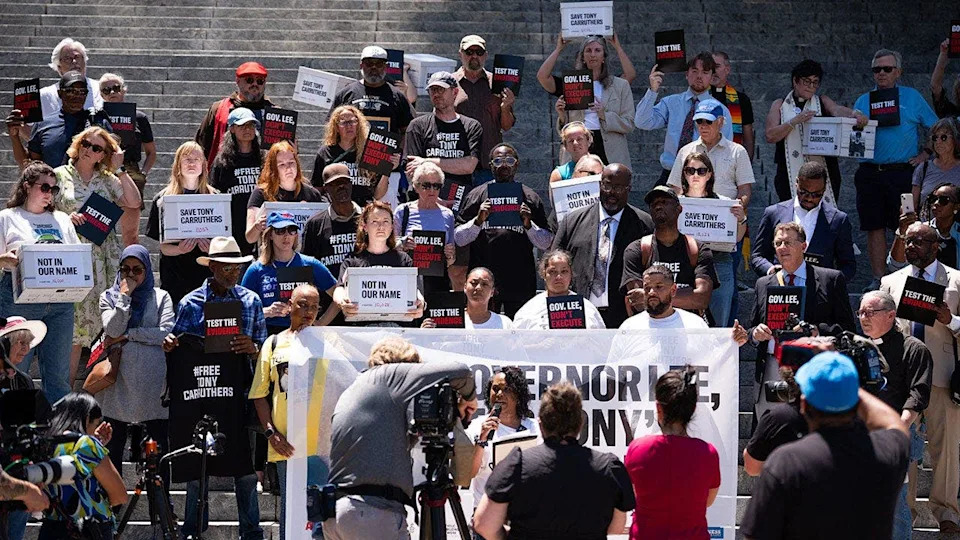
Protesters gather at the Tennessee Capitol in Nashville on May 18, 2026, to oppose the execution of Tony Carruthers.
Case Background
Carruthers was convicted and sentenced to death in connection with the 1994 kidnappings and killings of Marcellos Anderson, Anderson's mother Delois Anderson, and Frederick Tucker in Memphis. At trial, Carruthers represented himself after repeatedly clashing with court-appointed counsel and threatening several attorneys.
Defense attorneys say Carruthers suffered from paranoia and delusions that prevented him from cooperating with counsel; the trial judge deemed that behavior willful. The conviction relied primarily on witness testimony from people who said they heard Carruthers confess or discuss the crimes; prosecutors presented no physical evidence tying him to the murders at trial.
Among those witnesses was a man later identified as a police informant who said he was paid for his testimony. Carruthers' co-defendant, James Montgomery, was originally sentenced to death as well but was later resentenced and released in 2015, according to court records.
Post-Conviction Claims
In filings, Carruthers' lawyers argued that his death sentence was bolstered by a now-withdrawn medical examiner claim that the victims had been buried alive; subsequent experts have said that claim was false. His legal team also contends that Carruthers is incompetent and should not be executed, asserting he believed the government was bluffing about carrying out an execution to force a nonexistent plea deal and that his attorneys were part of a conspiracy against him.
Note: The Associated Press contributed to this report.
Help us improve.