Researchers re-examined a small case excavated in Pompeii in 1961 and determined it likely contained an ancient medical kit. Non-invasive CT scans, 3D reconstruction and AI revealed coins, small metal implements resembling medical tools, and a slate for preparing medicines. Found among 14 people in the "Garden of the Fugitives," the assemblage suggests the owner was probably a medicus — offering a rare personal insight into Roman medical practice.
Pompeii 'Medical Kit' Suggests Victim May Have Been a Roman Doctor, New Analysis Finds
A photo shared by Pompeii Archaeological ParkCredit: Pompeii Archaeological Park
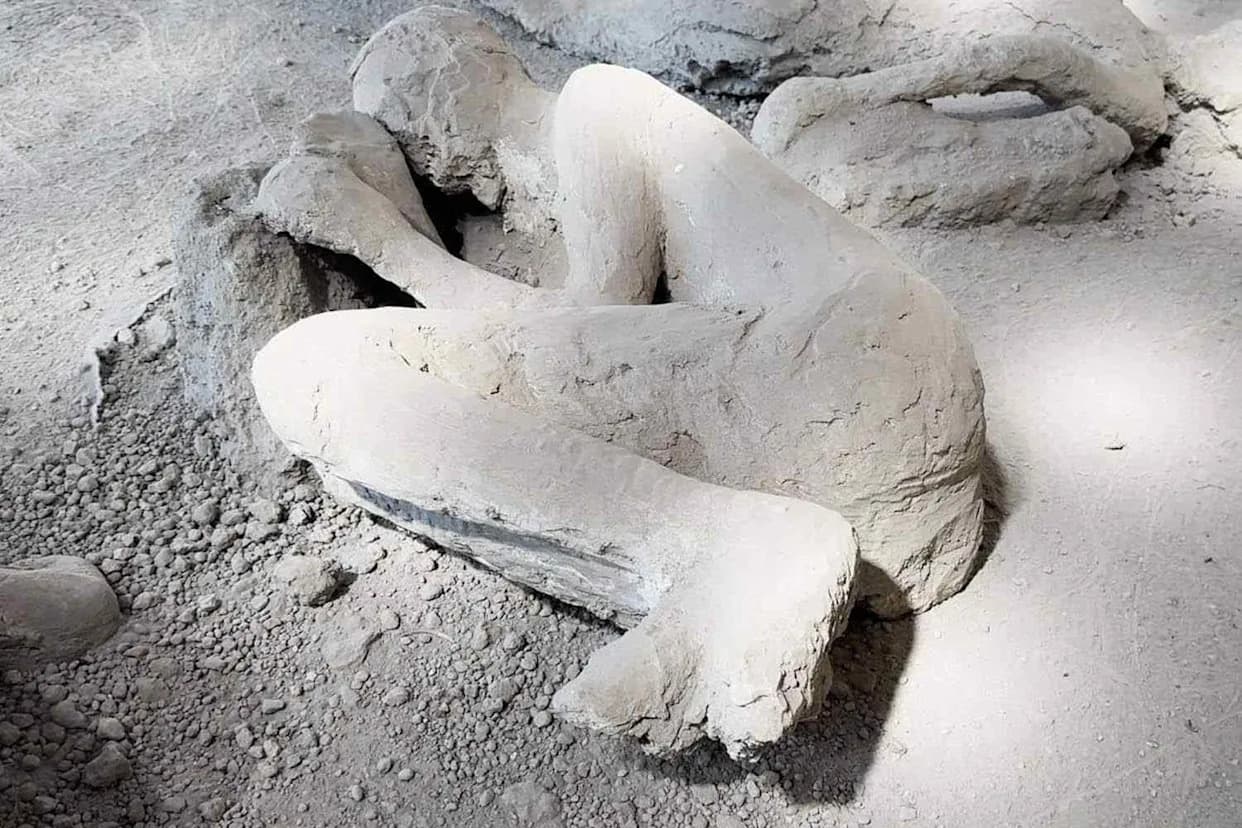
New non-invasive analyses of a small case recovered from Pompeii indicate that the person who carried it may have been a medicus — a doctor in Roman times. The artifact was among the belongings of 14 people who died while sheltering in a vineyard later dubbed the “Garden of the Fugitives.”
The set of materials was first excavated in 1961 by Italian archaeologist Amedeo Maiuri. Only now, more than six decades later, researchers used computed tomography (CT) scans, three-dimensional reconstructions and artificial intelligence to examine the sealed case without damaging it.
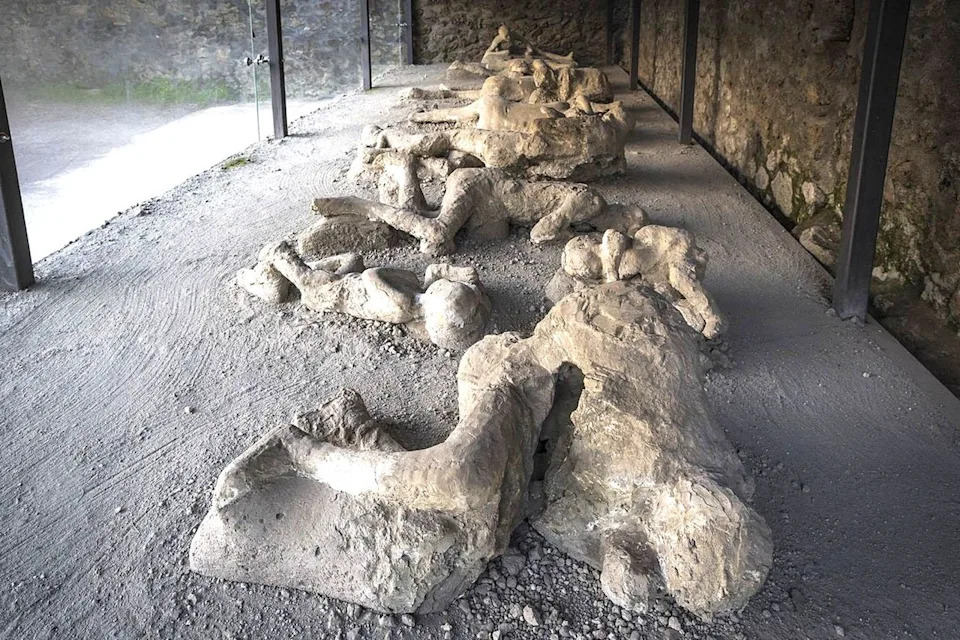
Pompeii Archaeological Park photosCredit: Pompeii Archaeological Park
What the Case Contained
Inside the case the team identified a small pouch holding bronze and silver coins, several small metal implements consistent with medical instruments, and a slate slab likely used to grind or mix medicinal compounds. Taken together, these items match the kinds of tools a practicing medicus might have carried.
Interpretation and Significance
Based on the assemblage, archaeologists and researchers at the Archaeological Park of Pompeii conclude the owner was likely a physician who carried professional tools while fleeing the eruption of Mount Vesuvius in 79 A.D. The park’s director, Dr. Gabriel Zuchtriegel, suggested the man may have intended to rebuild his life elsewhere or to help others even as he fled.
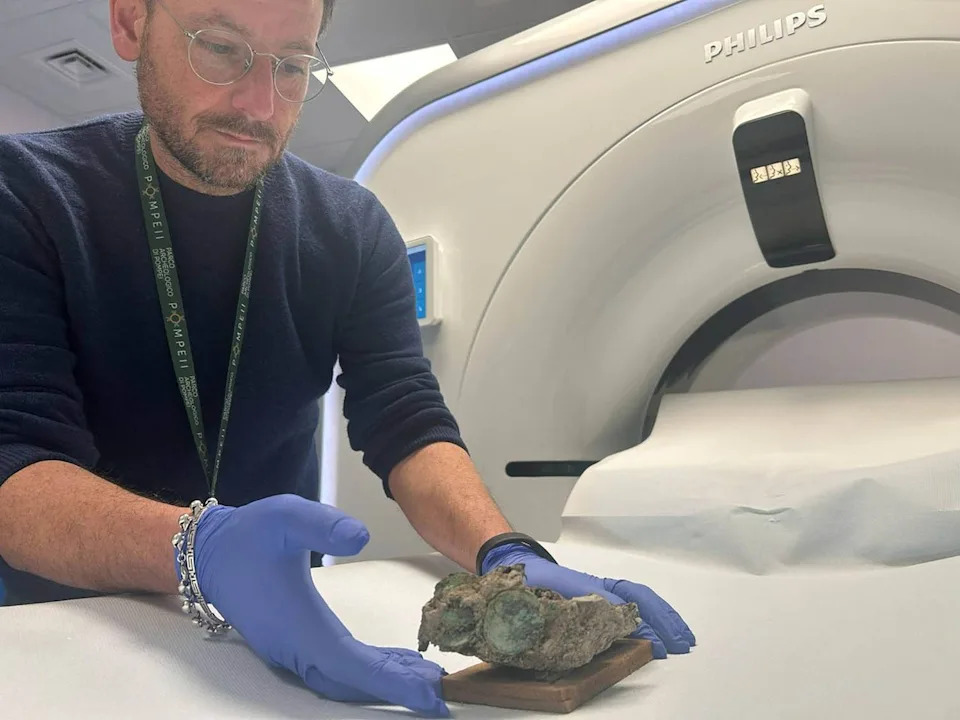
Advanced diagnostic technologies were used to analyze the materialsCredit: Pompeii Archaeological Park
“This man brought his tools with him to be ready to rebuild his life elsewhere, thanks to his profession, but perhaps also to help others,” said Dr. Gabriel Zuchtriegel of the Archaeological Park of Pompeii.
Researchers say the discovery offers a rare, intimate glimpse into the material culture and professional identity of an individual in Roman society. It also demonstrates how modern imaging and AI can reveal new details from old excavations without disturbing fragile finds.
The Archaeological Park of Pompeii reported the findings; People magazine and other outlets covered the story after the new analyses were published. The case adds to scholars’ understanding of daily life and medical practice in the Roman world while humanizing one of the many victims of Vesuvius’s catastrophic eruption.
Help us improve.