Rising rents and steep deposits are squeezing renters across Tehran and other Iranian cities. Official data show rents rose about 31% year-on-year in Farvardian, while local reports put Tehran's increases at 30–40% — well below headline inflation of roughly 73% but still far outpacing wages. Limited government measures, including a 25% cap on annual increases, short contract extensions and deposit loans, often fall short, pushing tenants to share housing, move to suburbs or return to family homes.
Soaring Rents and Sky-High Deposits Leave Tenants Struggling in Tehran
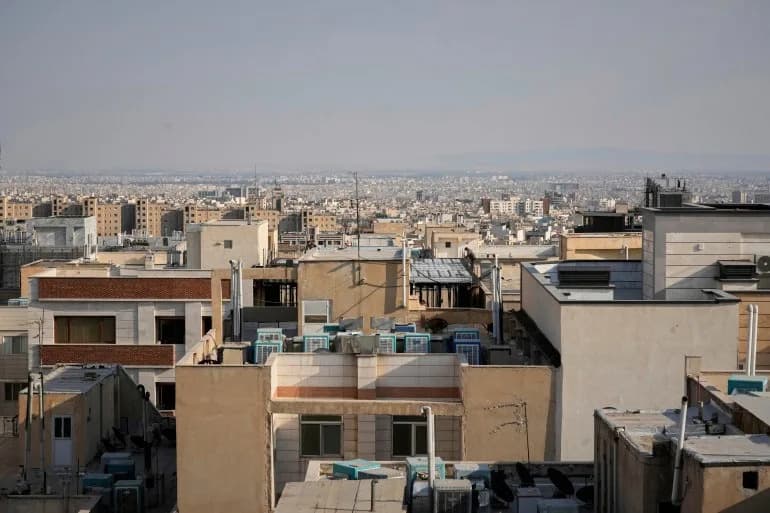
Residential buildings fill a neighbourhood in Iran’s capital city, Tehran [File: Vahid Salemi/AP]
When Mohammad, a 29-year-old resident of western Tehran, renewed his tenancy this week, the increase did not come as a surprise. His landlord raised the monthly rent on the 20-year-old, 60-square-metre apartment from 130 million rials (about $73 at the time) to 230 million rials (about $130), while keeping the fast-depreciating deposit at 5 billion rials (roughly $2,800).
Income, Inflation and the Cost of Renting
For context, Iran's official monthly minimum wage is roughly $90, rising to about $120 after government subsidies, electronic coupons and allowances tied to marriage or housing. Most analysts say many tenants live below the poverty line — estimated at about 700 million rials ($400) in monthly income for an average family — making it extremely difficult to absorb soaring housing costs.
Rents rose 31% year-on-year in Farvardian (the first month of the Persian calendar, ending April 20). Local media and realtor associations report that average rents in Tehran are now 30–40% higher than a year ago, with areas less affected by recent regional hostilities often seeing faster increases. By comparison, headline inflation was reported at about 73% for the same month and is widely believed to have climbed further as the economic fallout from the conflict deepened.
Hard Choices for Renters
Many renters face large upfront deposits and steep annual rent resets. Mohammad told Al Jazeera he accepted the increase partly because his neighbourhood was spared direct strikes and partly because alternatives — smaller, older units or apartments deep in southern Tehran — would mean longer commutes and lower living standards.
"I think the landlord was happy to extend for another year because of the market conditions, and I wanted to stay because the price increase could be worse," Mohammad said.
A Tehran real estate agent told Al Jazeera that uncertainty over a potential resumption of fighting and worsening economic conditions has reduced new tenancy signings. Renters are responding by taking on housemates, relocating to suburbs or smaller cities, or moving back in with family to cut costs.
Supply Pressures and Construction Costs
Buying a home has become significantly more expensive in many districts, in some cases outpacing general inflation. Rising construction-material prices have squeezed developers; some have halted projects while waiting to see whether the conflict ends, further tightening supply.
Limited Government Measures
Faced with a constrained budget amid sanctions, authorities have offered limited measures. The Tehran Association of Realtors cited a Supreme National Security Council ruling allowing tenancy contracts that expire during the war to be automatically extended for up to two months. The government also announced a nominal annual cap of 25% on rent increases, though local reporting suggests this often functions more like a floor than a strict ceiling in practice.
The state provides loans to help cover rental deposits, but amounts often fall short of actual needs: up to 3.65 billion rials in Tehran (about $2,050), 2.8 billion rials in provincial capitals ($1,582), 1.85 billion rials in other cities ($1,050), and 750 million rials in villages ($420). In many Tehran districts, deposits for family-sized units can be several times larger than the available loan.
Emergency Support and Legal Questions
Targeted emergency relief has been given to households that lost homes or suffered damage during the conflict, including temporary hotel accommodation and additional rental-deposit assistance. Bomb damage has also created legal complications: state-linked ILNA reported that rental obligations generally remain unless a unit's damage affects habitability, in which case tenants may take disputes to a special dispute-resolution council.
Outlook
Looking ahead, housing costs are expected to continue rising while other parts of the economy remain trapped in a limbo between war and peace. Tensions at the regional and international level have fed inflationary pressure and deepened economic uncertainty, leaving many low-income renters with few practical options.
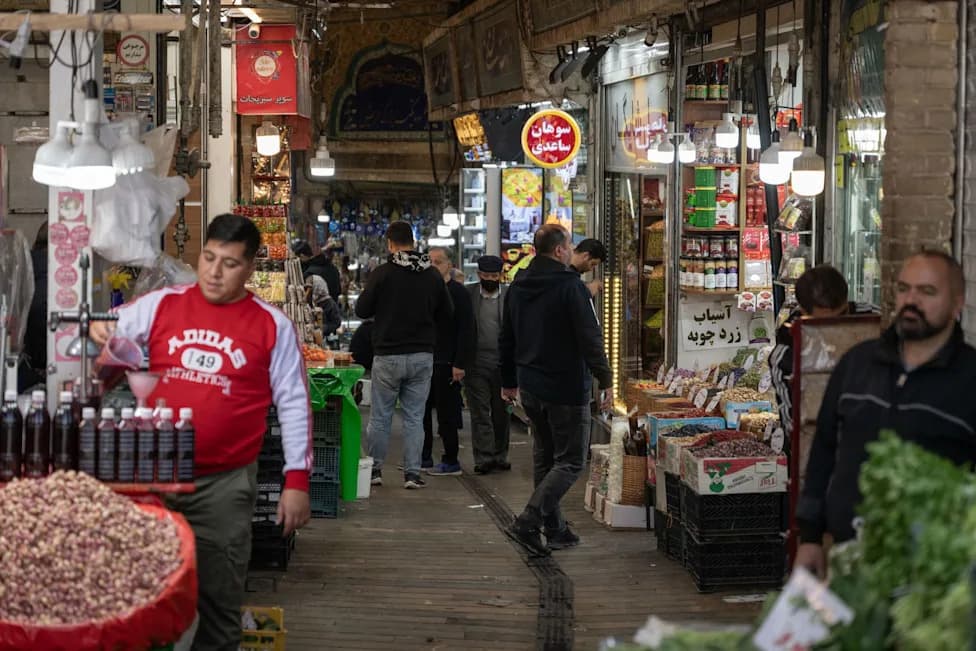
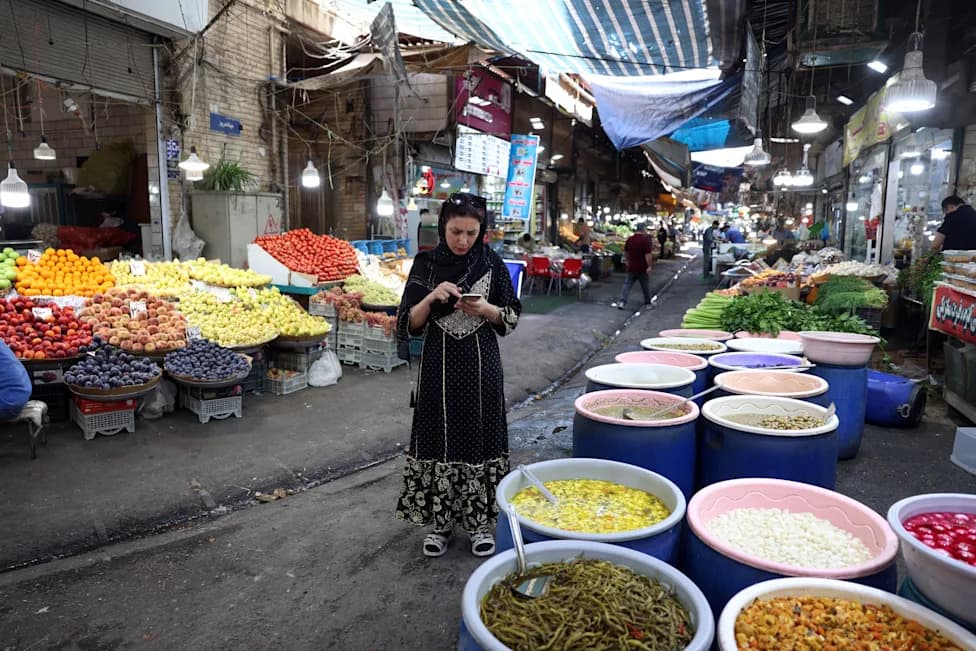
Voices from the street: A woman identified by the last name Rezaei told Al Jazeera that prices for everyday goods are rising so fast she saw many items double within a matter of days. "My purchasing power has decreased by at least 70 percent; people's purchasing power has decreased a lot," she said.
Help us improve.