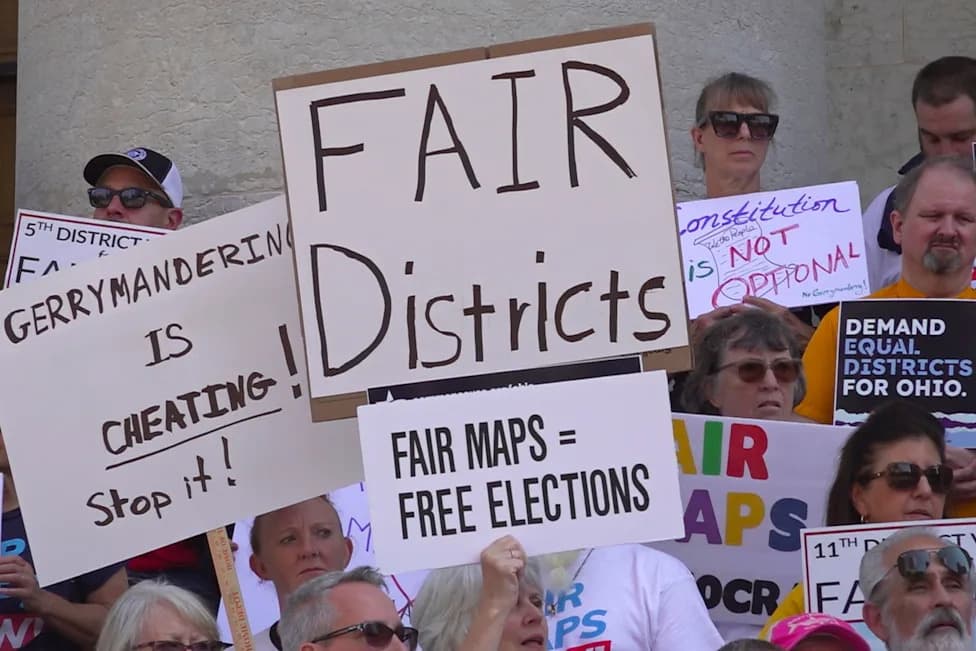
Republicans in the South Carolina House advanced a congressional redistricting plan that could reshape the state’s only Democratic-held U.S. House district and boost GOP chances of an extra seat in November. The proposal would remove House races from the June 9 primary and hold a special August primary, discarding some absentee and overseas ballots. Democrats’ amendments were repeatedly rejected amid similar redistricting efforts across Southern states after a recent Supreme Court ruling; the NAACP urged athletic boycotts over concerns about reduced Black voting representation.
South Carolina GOP Moves Toward Vote on Redistricting Plan That Could Flip Democratic Seat
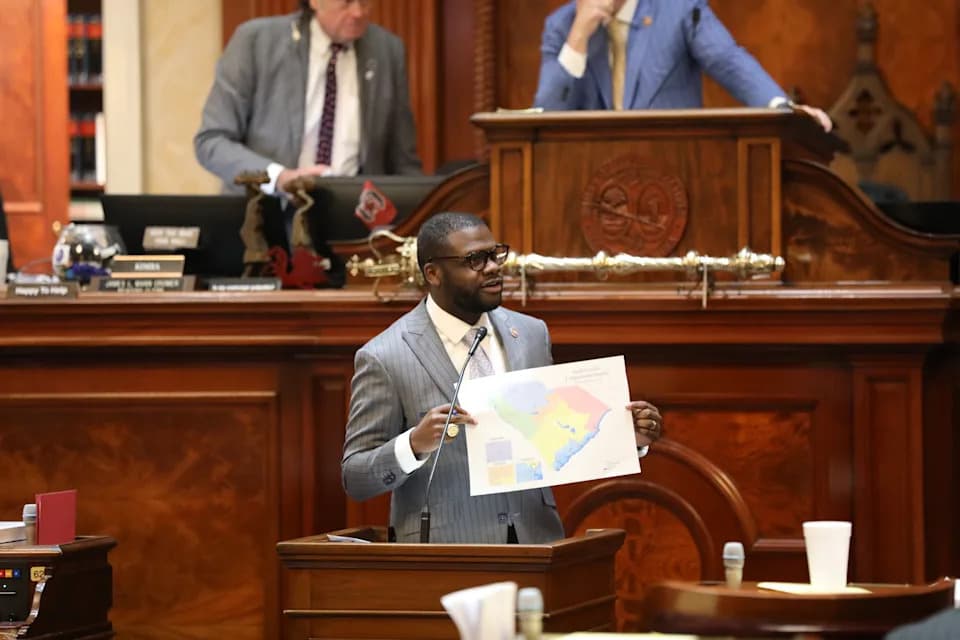
Democratic South Carolina Rep. Kambrell Garvin presents his version of a map for new congressional districts during the House session on redistricting on Monday, May 18, 2026, in Columbia, S.C. (AP Photo/Jeffrey Collins)(AP Photo/Jeffrey Collins)
COLUMBIA, S.C. — Republicans in the South Carolina House on Tuesday pushed past Democratic objections as they moved toward a pivotal vote on a congressional redistricting plan that could redraw the state’s lone Democratic-held U.S. House district and improve GOP chances of winning an additional seat in November.
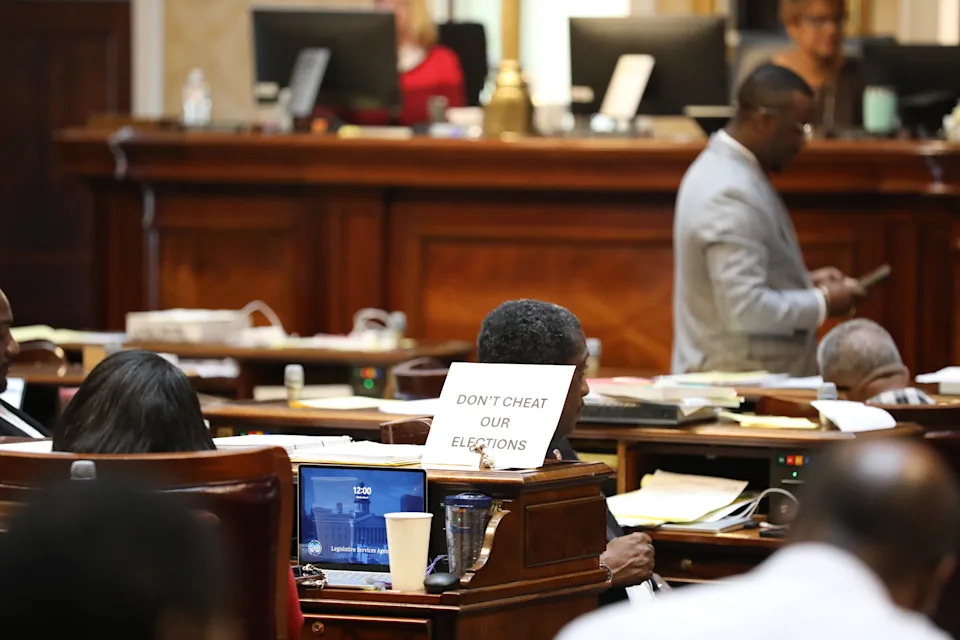
A sign sits on the desk of Democratic South Carolina Rep. Annie McDaniel during the House redistricting debate on Tuesday, May 19, 2026, in Columbia, S.C. (AP Photo/Jeffrey Collins)(AP Photo/Jeffrey Collins)
The plan, backed at the national level by former President Donald Trump, would shift the boundaries of the district to Republicans’ advantage. To allow the new map to take effect, the measure would remove U.S. House contests from the state’s scheduled June 9 primaries and instead set a special primary in August to nominate candidates for all seven U.S. House seats. That change would also invalidate some absentee and overseas military ballots that have already been cast for Congress.
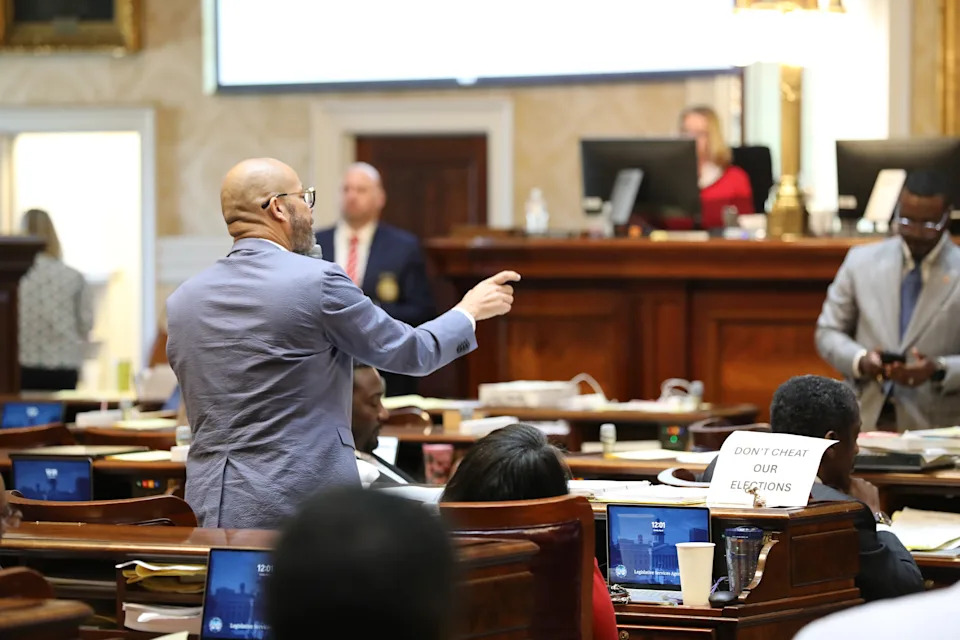
Democratic South Carolina Rep. John King asks a question during the House redistricting debate on Tuesday, May 19, 2026, in Columbia, S.C. (AP Photo/Jeffrey Collins)(AP Photo/Jeffrey Collins)
Floor Battle and Rejected Amendments
Democratic lawmakers spoke repeatedly against the legislation during floor debate, offering amendments that Republicans rejected. Democratic state Rep. JA Moore called the move “wrong,” saying:
“You can justify it, rationalize it, but it’s wrong.”
 Republican South Carolina Rep. Micah Caskey reads a resolution limiting debate during the House session on redistricting on Monday, May 18, 2026, in Columbia, S.C. (AP Photo/Jeffrey Collins)(AP Photo/Jeffrey Collins)
Democrats criticized the impact on voters — particularly Black voters in the affected district — and urged protections and voter education. Democratic Rep. Beth Bernstein proposed a voter-education initiative to reduce confusion ahead of future elections; her amendment was defeated. Democratic Rep. Lonnie Hosey proposed banning maps drawn solely to benefit a single party, but that amendment also failed.
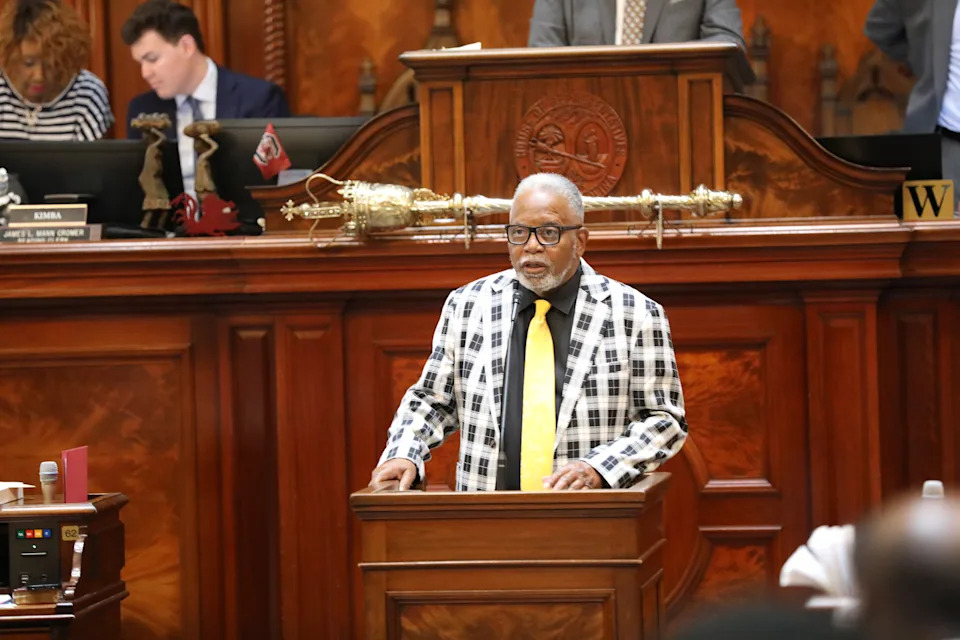
Democratic South Carolina Rep. Leon Howard speaks during the House redistricting debate on Tuesday, May 19, 2026, in Columbia, S.C. (AP Photo/Jeffrey Collins)(AP Photo/Jeffrey Collins)
Broader Context in the South
Similar moves are unfolding across other Southern states after a recent U.S. Supreme Court ruling that struck down a majority-Black Louisiana district as an illegal racial gerrymander and narrowed some Voting Rights Act protections for minority districts. In Louisiana, primaries that had been scheduled for last Saturday were postponed so new districts could be drawn. Alabama plans to void results in four U.S. House districts and hold special primaries on Aug. 11 under revised boundaries.
Republican strategists estimate that revised maps in seven states could net the party as many as 15 additional U.S. House seats, while Democrats estimate they could gain up to six seats from new maps in two states. Those projections remain subject to change as litigation proceeds in multiple states and as voters ultimately decide the outcomes at the ballot box.
Political and Social Repercussions
The NAACP on Tuesday called on Black athletes and fans to boycott athletic programs at public universities in states it says have acted to reduce Black voting representation. The campaign named Alabama, Florida, Georgia, Louisiana, Mississippi, South Carolina and Texas.
Republican leaders in the South Carolina House changed chamber rules after prolonged debate on Monday, limiting members to one amendment each and imposing time limits for speeches on Tuesday. Lawmakers also face timing pressures: early voting for the scheduled June 9 primaries is set to begin May 26.
Reporting by the Associated Press. Lieb reported from Jefferson City, Missouri.
Help us improve.