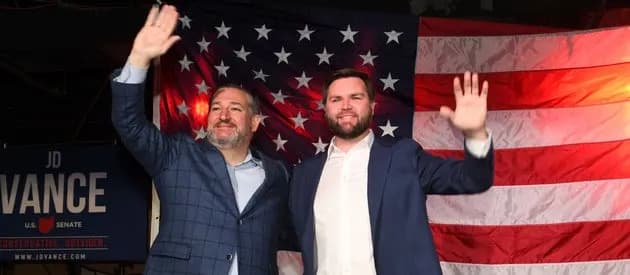
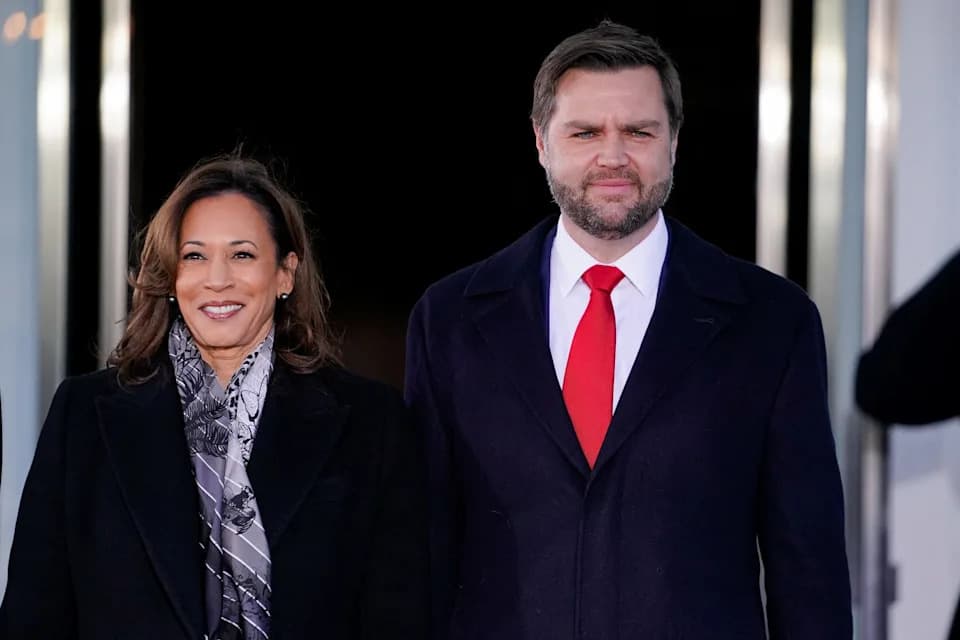
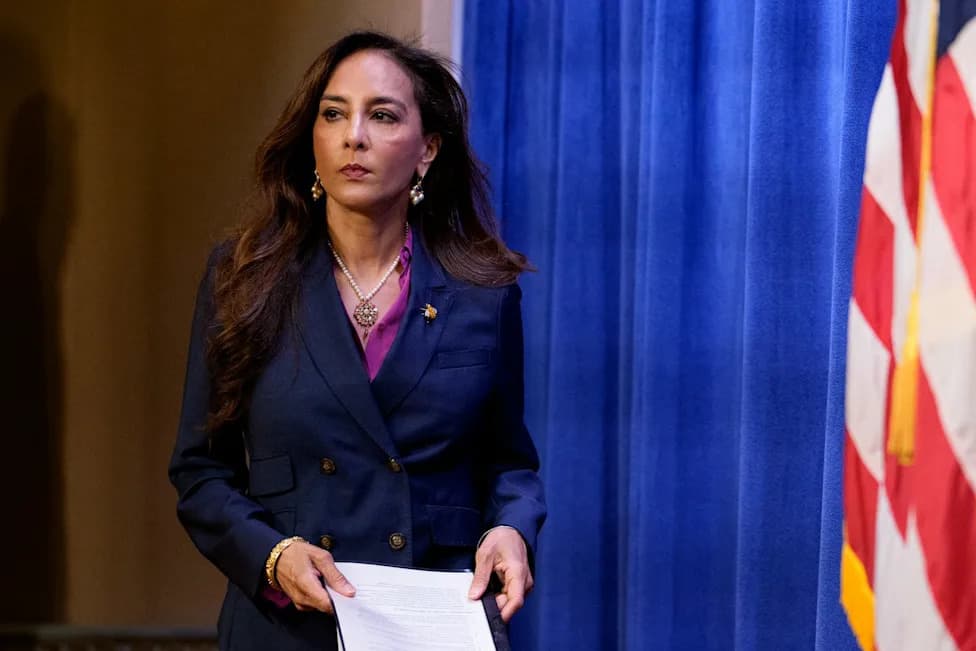
Many evangelical leaders currently tilt toward Marco Rubio for the 2028 GOP nomination, citing his long-standing ties and clear faith messaging, while younger social conservatives are drawn to Vice President JD Vance’s populist vision. Key fault lines for evangelicals include abortion policy and unequivocal support for Israel. With white evangelical Protestants pivotal in early primary states, the coalition’s choice will shape the post-Trump Republican agenda.
Rubio Leads Among Evangelical Leaders — But Vance’s Populist Appeal Keeps 2028 GOP Race Unsettled
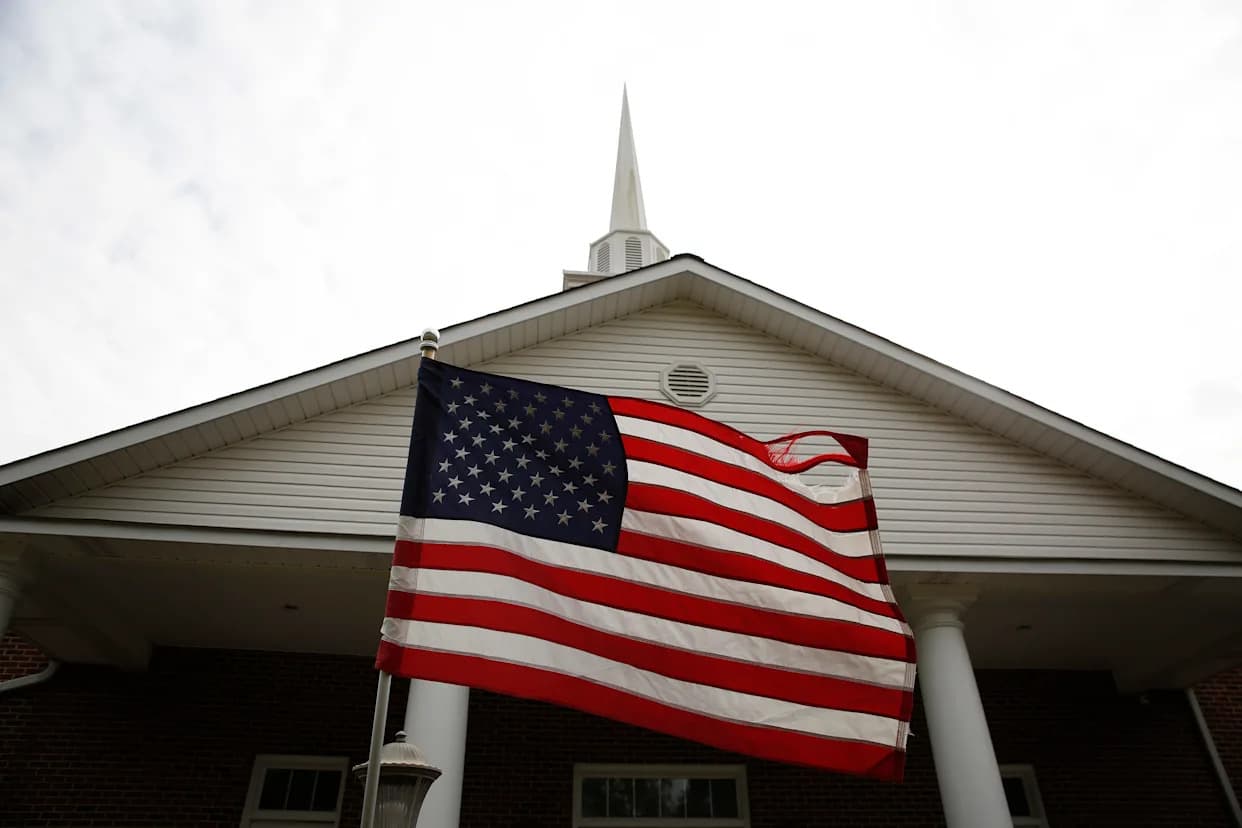
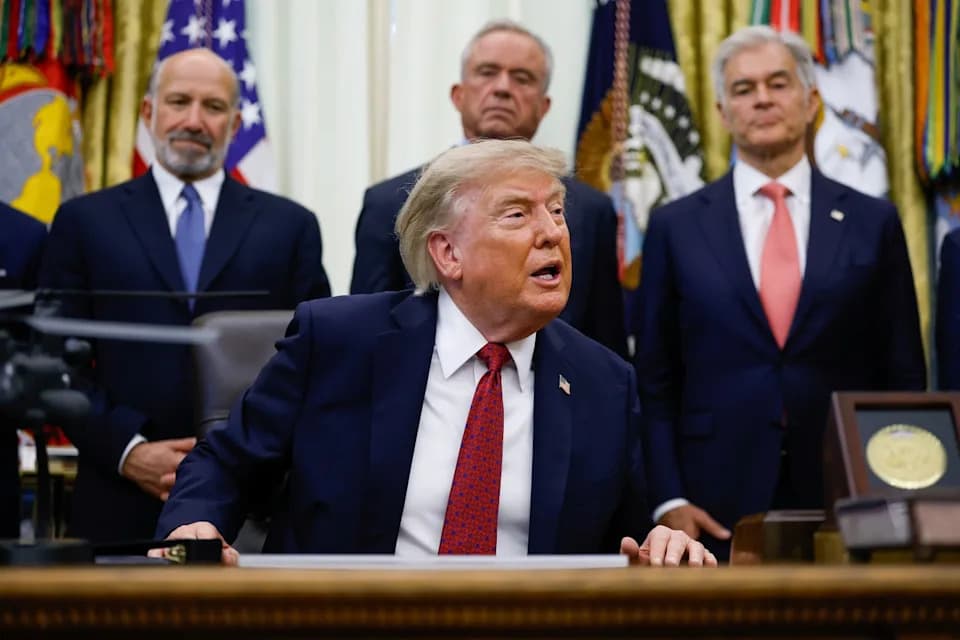
Evangelical leaders who helped elect Donald Trump are already sizing up potential successors, and an early consensus is forming: many prominent figures favor Marco Rubio, while younger and more populist social conservatives remain intrigued by Vice President JD Vance.
Early Sorting Within the Evangelical Coalition
Several influential evangelical voices describe Rubio — whom some accounts portray as a bridge between today’s MAGA movement and older Reagan-era conservatives — as best positioned to unite the party’s conservative Christian base. At the same time, rank-and-file evangelicals, especially younger voters drawn to a more populist social conservatism, remain open to Vance.
'Marco Rubio is far better known to American evangelicals than JD Vance,' said Al Mohler, president of the Southern Baptist Theological Seminary. 'Both of them are in a superb position to speak to the conservative Christian base, but Rubio has more experience doing that.'
Why Rubio Resonates
Rubio’s long record of engagement with evangelical institutions — stretching back to his 2016 presidential run — and his familiarity speaking directly about faith give him an advantage among many leaders. Though Rubio is Catholic, he frequently attends a large Southern Baptist megachurch in Miami and is widely perceived by evangelicals as fluent in their language and priorities. His remarks at Charlie Kirk’s memorial, widely praised in those circles for their theological clarity, reinforced that reputation.
Why Vance Appeals
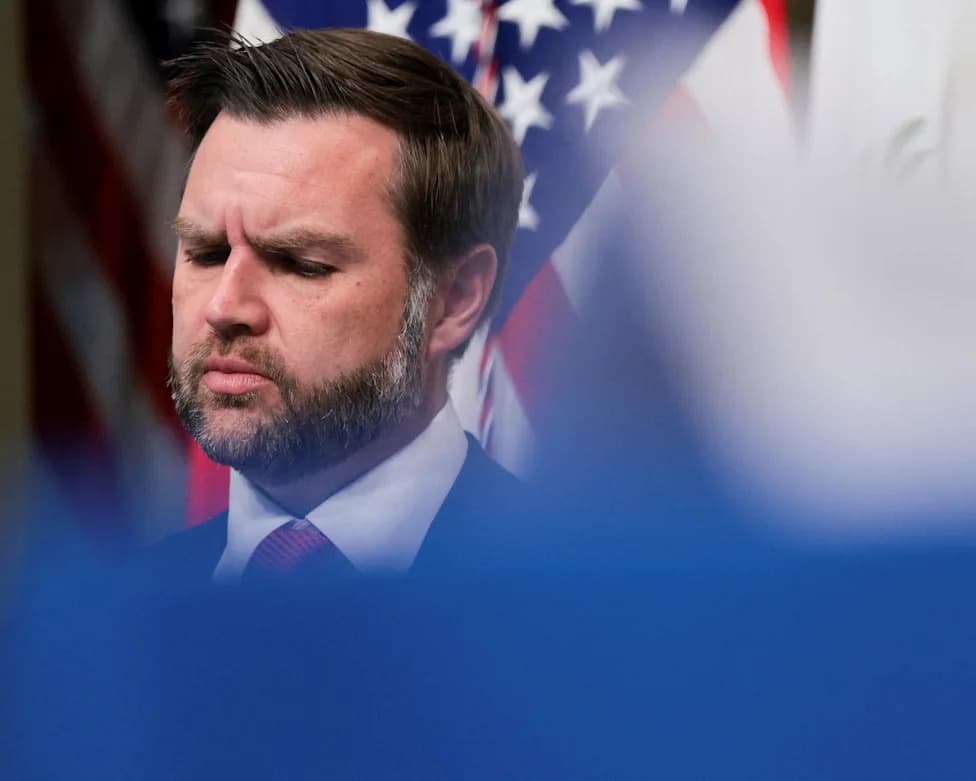
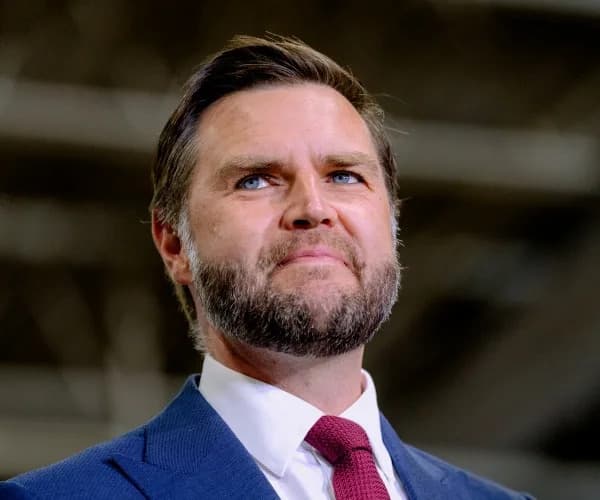
Vance — an Ohio native who spent part of his youth in a large Pentecostal church and later converted to a traditionalist form of Catholicism — appeals to a younger, more populist faction of social conservatives. Evangelical leaders describe him as intellectually serious and culturally fluent, and his emphasis on rebuilding community and family through a more activist government resonates with those who see a purely defensive religious-liberty posture as insufficient.
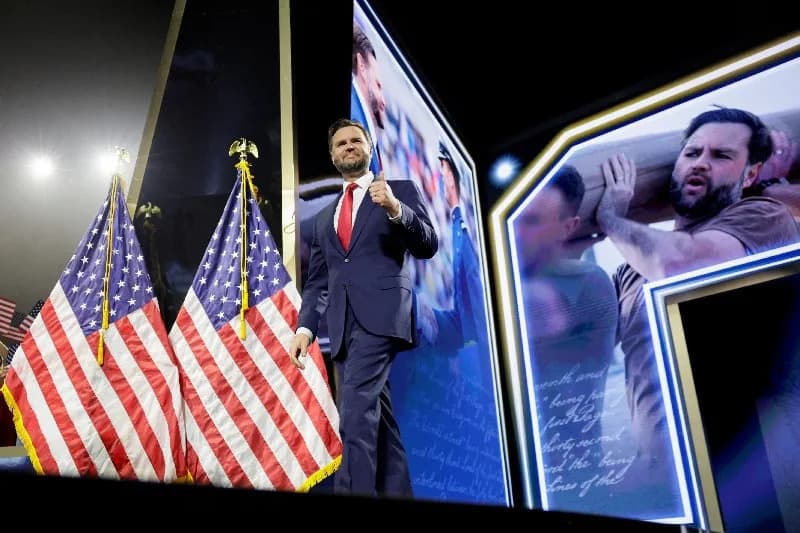
Many evangelicals found a personal, relatable moment in Vance’s public account of prayer and faith at a Faith and Freedom Coalition event after he was selected as Trump’s running mate in 2024. Vance is also set to publish a faith-focused book titled “Communion” that may clarify lingering questions about his positions on issues important to evangelicals.
Key Policy Fault Lines
The coalition’s internal tensions are clearest on abortion and U.S.-Israel policy. Abortion remains the defining issue for many evangelicals: since Roe v. Wade was overturned in 2022, movement leaders have pushed for more aggressive federal action, including restrictions on mifepristone. While Vance has taken steps — such as headlining the March for Life and announcing an expansion of the Mexico City Policy — some anti-abortion leaders say those measures fall short of the federal legislation and enforcement they want.
SBA Pro-Life America has even begun referring to the current White House as the 'Trump-Vance administration' in some releases, a deliberate signal that it expects Vance to press the president on movement priorities.
On Israel, evangelicals who view strong U.S. support as a theological as well as strategic priority see Rubio as unambiguous and reliable. Vance’s non-interventionist instincts leave some in that camp uncertain about his long-term posture.
Outlook
White evangelical Protestants remain a decisive bloc in early GOP primaries — they supported Trump at roughly 82% in 2024 — and they are expected to be indispensable for any 2028 Republican nominee. The early evangelical sorting between Rubio and Vance highlights a broader choice for the GOP: restore more traditional conservative coalitions and messaging (Rubio), or lean into a younger, populist social-conservative project that seeks a more active role for government in cultural renewal (Vance).
Neither candidacy is settled: Rubio’s long-standing relationships and clear signals on faith and Israel give him early advantages with leaders, while Vance’s appeal to younger populists and his forthcoming book create a path to broaden his evangelical support — if he can address concerns on abortion and Israel. Evangelical influence on the 2028 primary will be a crucial test of which direction the post-Trump GOP ultimately takes.
Help us improve.