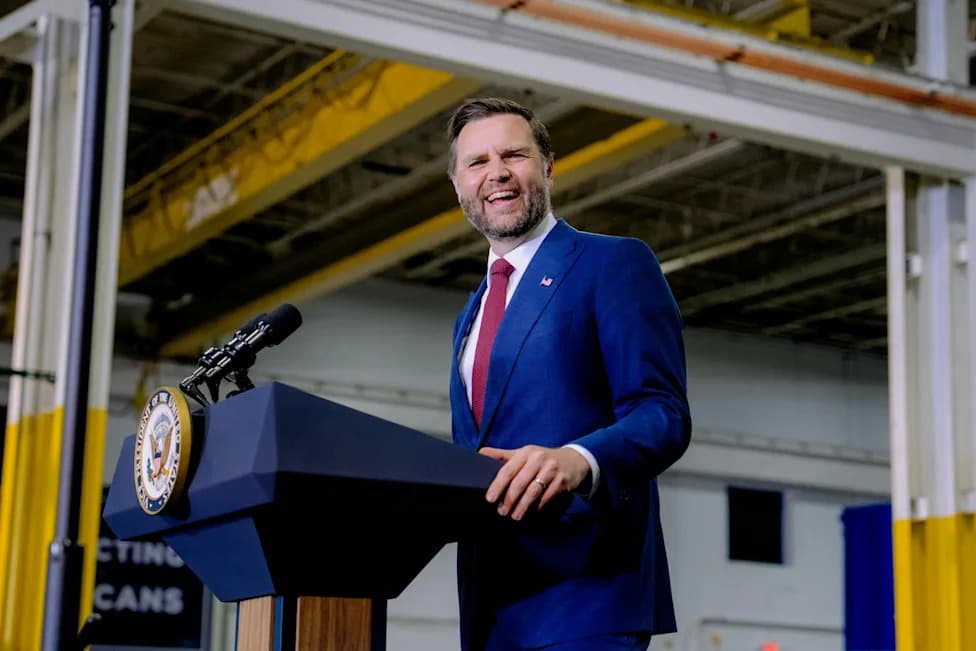
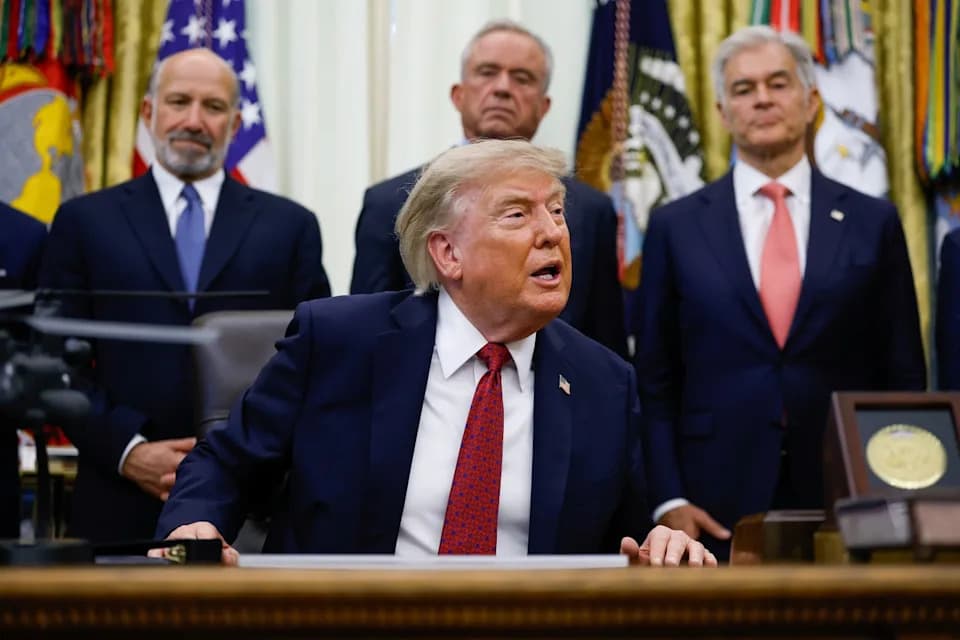
JD Vance, a 2019 convert to Catholicism who met Pope Francis in 2025, is positioning for a likely 2028 presidential run that would make him the third Catholic president if elected. His blend of evangelical language and a recent Catholic identity creates tension as he seeks to hold together MAGA‑aligned evangelicals and persuade Catholic voters. Analysts point to unclear political theology, public disagreements with Catholic leadership, and questions about authenticity — plus his comments interpreting providence — as potential liabilities for a national campaign.
JD Vance’s Catholic Turn Could Complicate a 2028 White House Bid
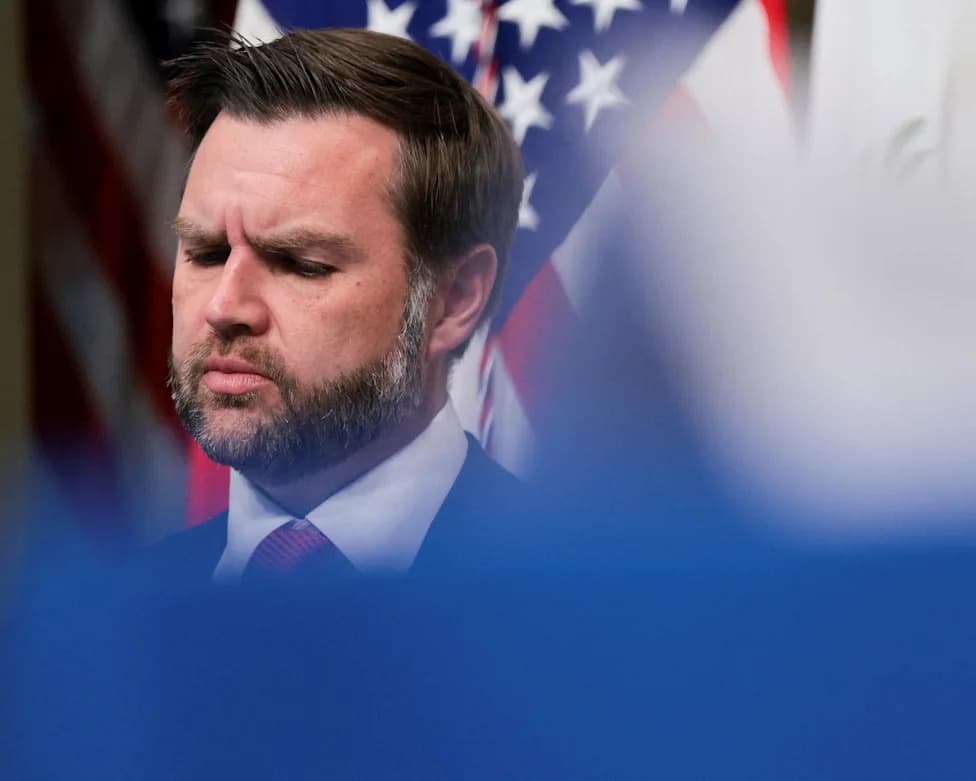
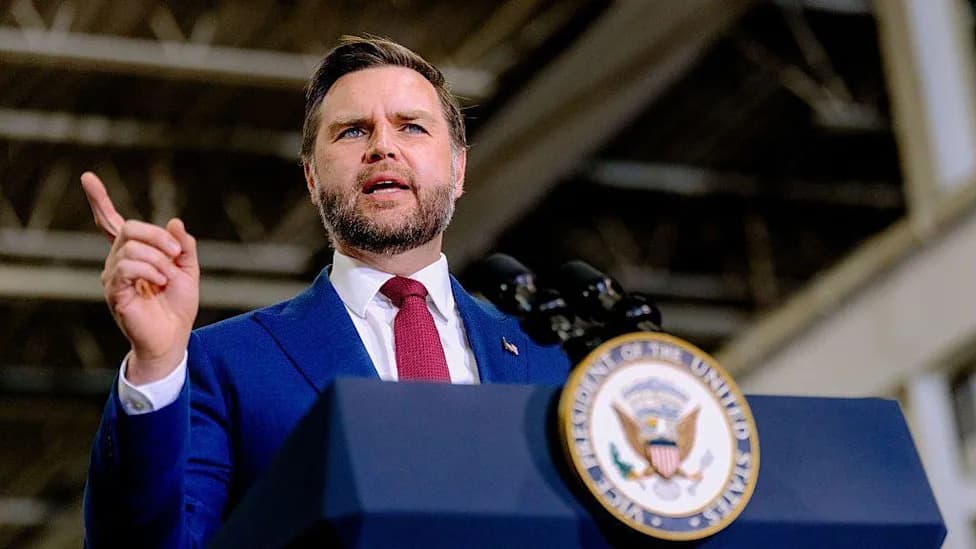
JD Vance at an event at the White House in August.Photograph: Kylie Cooper/Reuters
US Vice-President JD Vance, a convert to Catholicism in 2019 and author of Communion: Finding My Way Back to Faith, has increasingly folded his religious identity into his public life. He met Pope Francis at the Vatican on Easter Sunday 2025, a meeting widely noted because it came a day before the pontiff's death. As Vance signals a likely run for the presidency in 2028, his recent Catholicism — layered on top of long-standing evangelical influences — may shape how different religious constituencies view him.
Faith, Politics and a Coalition Test
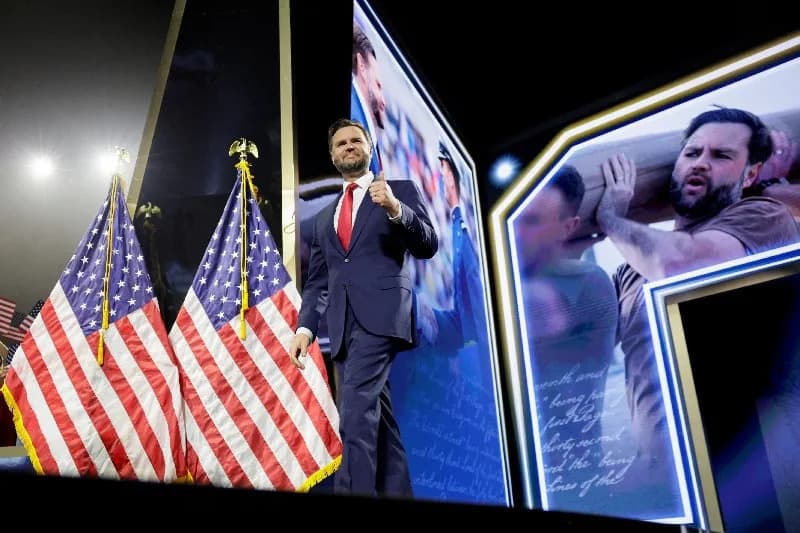
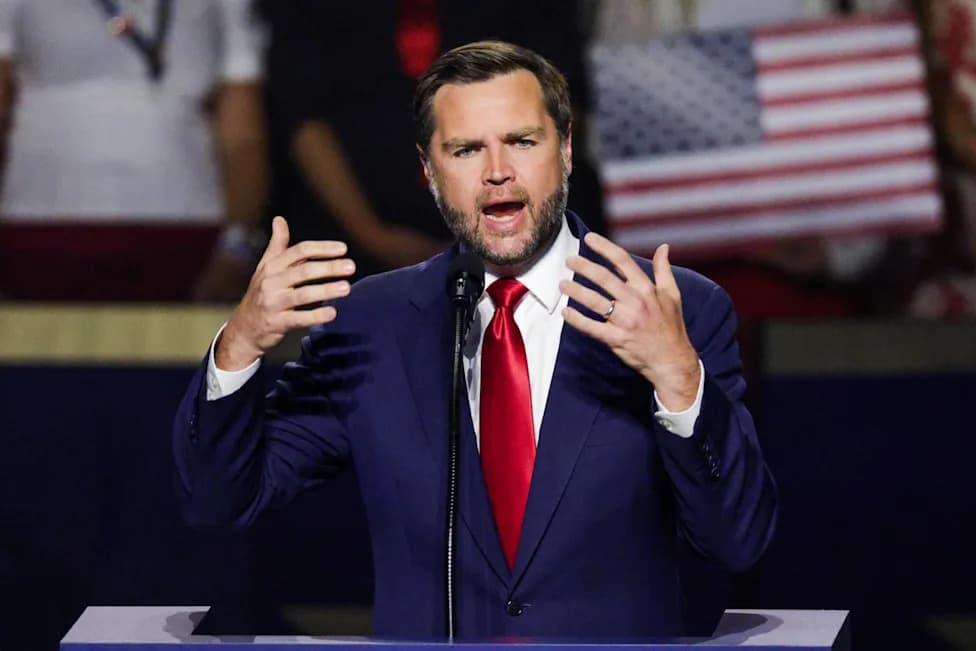
At the Republican midterm convention in Dallas, Vance invoked scripture and the Apostle Paul while honoring right‑wing activist Charlie Kirk, underscoring how faith now figures in his political pitch. Political scientist Larry Jacobs of the University of Minnesota called the speech the opening of 2028 Republican primary competition and noted that Vance appears intent on assembling a coalition that includes white Christian nationalists.
Evangelical Roots vs. New Catholic Identity
Religious analysts say that tension between Vance's evangelical language and his recent Catholic affiliation could present a real challenge. In a widely viewed interview with Christian podcaster Bryce Crawford, Vance acknowledged a longstanding fascination with "end times" ideas — a theme more common in some evangelical circles than in mainstream Catholic theology — then emphasized a practical focus on doing God’s work in the present.
"What I'm trying to focus on is doing as much of God's work as possible right now," Vance said. "If that leads to the end times, OK. If that leads to building a better world that survives long after I'm gone, that's great too."
Robert Jones, president of the Public Religion Research Institute, described that answer as an attempt to "have it both ways," arguing it could read as dismissive or uninformed to those who take theological distinctions seriously.
Public Spats and Theological Signals
Vance has had public differences with Catholic leaders that could complicate outreach to Catholic voters. After Pope Francis criticized aspects of the Trump administration’s posture on the Iran conflict, Vance warned the pontiff to be cautious about weighing in on political matters. He later invoked the medieval concept of ordo amoris (order of love) to justify prioritizing family and country in immigration policy — a position the pope publicly rejected in an open letter citing the Good Samaritan parable.
Daniel Hummel, director of the Lumen Center in Madison, Wisconsin, said Vance "still talks a lot like an evangelical," which may unsettle conservative Catholics who nonetheless respect papal authority and etiquette.
Unclear Political Theology and Questions of Authenticity
Observers also point to ambiguity about how Vance’s faith translates into a coherent political theology. Hummel said it is evident Vance views his Christian faith as a motive for public service, but unclear what doctrinal or theological sources shape his political judgments. That vagueness, analysts warn, could force Vance to choose sides and risk alienating one or both religious blocs.
Separately, Larry Jacobs cautioned that Vance struggles with perceptions of authenticity — an important asset for voters who rallied behind Donald Trump despite controversies. Vance’s evolution from a critic of Trump to a senior official in a Trump-aligned administration fuels questions about whether his current posture is sincere or strategic.
Providence, Politics and Public Perception
In the Crawford interview, Vance suggested he sees God’s hand in small coincidences, pointing to the July 2024 attack on Donald Trump in Butler, Pennsylvania, as an instance when a narrowly missed shot may have averted national crisis. Robert Jones called such unexamined appeals to providence "dangerous," warning leaders may be tempted to interpret favorable events as divine endorsement.
Vance’s office was contacted for comment.
Help us improve.