Revisiting a previous list of damaging Supreme Court rulings, the author marks the 130th anniversary of Plessy v. Ferguson (1896), which institutionalized the “separate but equal” doctrine. The piece also highlights Dred Scott v. Sandford (1857) and Korematsu v. United States (1944) as similarly catastrophic decisions, citing dissents that exposed their legal and historical flaws. Additional contenders include The Slaughter-House Cases and Buck v. Bell. Readers are invited to submit their own nominations by email for a possible follow-up report.
The Worst U.S. Supreme Court Decisions Ever — Plessy, Dred Scott, Korematsu and More
Ranking the Worst Supreme Court Decisions of All Time
When Reason magazine marked its 50th anniversary in 2018, I contributed a column naming the five worst Supreme Court rulings of the previous half-century. I returned to the topic after noticing the 130th anniversary of one of the Court's most infamous decisions: Plessy v. Ferguson (1896).
Plessy v. Ferguson (1896): The Birth of 'Separate But Equal'
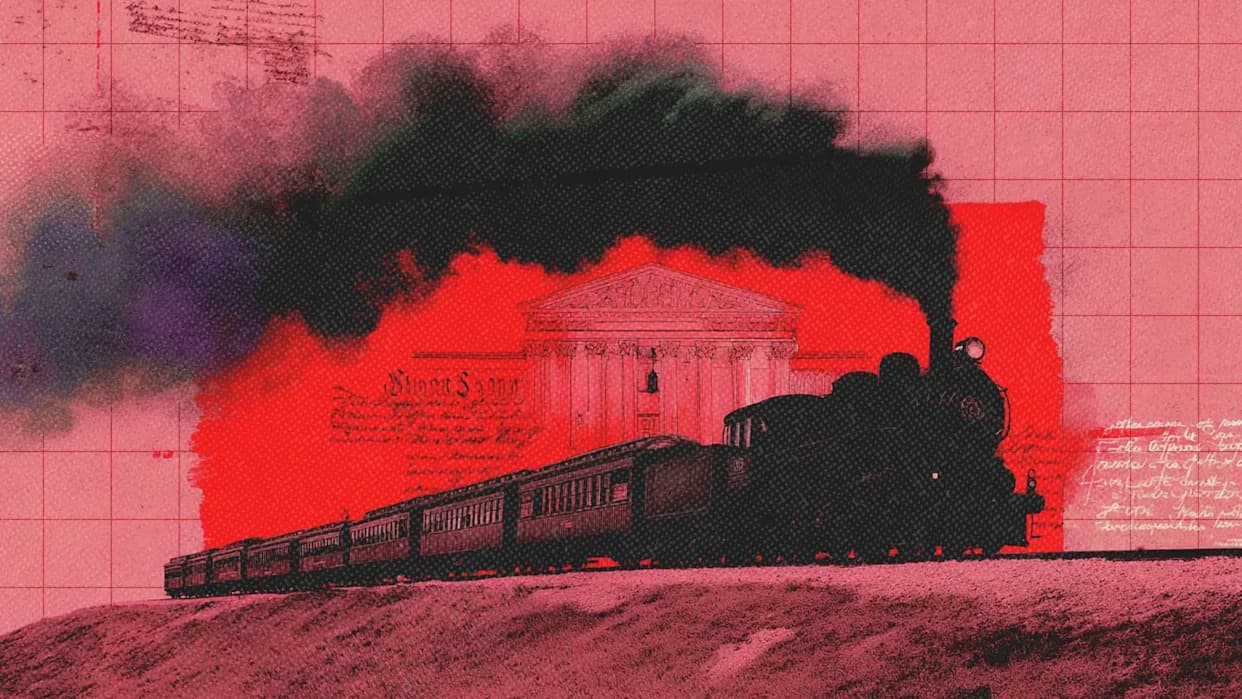
In Plessy, the Court upheld a Louisiana statute that prohibited railroad companies from selling first-class tickets to Black passengers, effectively endorsing state-enforced racial segregation. The majority defended the law by insisting that “the competency of the state legislatures in the exercise of their police power” should not be subject to intrusive judicial second-guessing. That rationale enshrined the pro–Jim Crow doctrine of “separate but equal,” which stood until Brown v. Board of Education (1954) reversed it.
Dred Scott v. Sandford (1857): A Constitutional Catastrophe
Dred Scott infamously concluded that Black Americans “are not included, and were not intended to be included, under the word 'citizens' in the Constitution.” The decision ignored historical evidence showing that free Black native-born inhabitants in several states had been treated as citizens and, in some places, had been qualified electors at the founding. Justice Benjamin Curtis's dissent exposed these facts and showed how the majority's holding misread the Constitution's history.
Korematsu v. United States (1944): Wartime Overreach
In Korematsu, the Court upheld the forced internment of Japanese-American citizens during World War II, deferring to the executive branch's asserted wartime necessity. Justice Frank Murphy's dissent warned that unchecked deference could leave constitutional rights vulnerable to an open-ended claim of military necessity: “It is essential that there be definite limits to military discretion, especially where martial law has not been declared.”
Other Notable Mistakes
Other rulings commonly nominated for the worst-of-the-worst include The Slaughter-House Cases (1873), which drastically narrowed the Privileges or Immunities Clause of the 14th Amendment, and Buck v. Bell (1927), which upheld state eugenics laws permitting forced sterilization. Each of these decisions had long-term, damaging consequences for constitutional protections and individual dignity.
I invite readers to weigh in: which Supreme Court decisions belong on a list of the worst rulings in American history? Email your nominations to [email protected]. If enough responses arrive, I will report the results in a future newsletter.
Originally published on Reason.com.
Help us improve.