Justice Ketanji Brown Jackson dissented after the Supreme Court remanded a Mississippi Voting Rights Act case to a district court, saying the Court’s recent Louisiana ruling did not address the private enforceability of Section 2. In Louisiana v. Callais, the Court narrowed Section 2’s reach, rejecting a claim that Louisiana was required to create a second majority-Black district. Legal analysts warn the decision could raise the bar for future Section 2 challenges by emphasizing proof of discriminatory intent and may prompt new rounds of litigation over congressional maps.
Justice Jackson Dissenting As Supreme Court Uses Louisiana Ruling To Remand Mississippi Voting-Rights Case
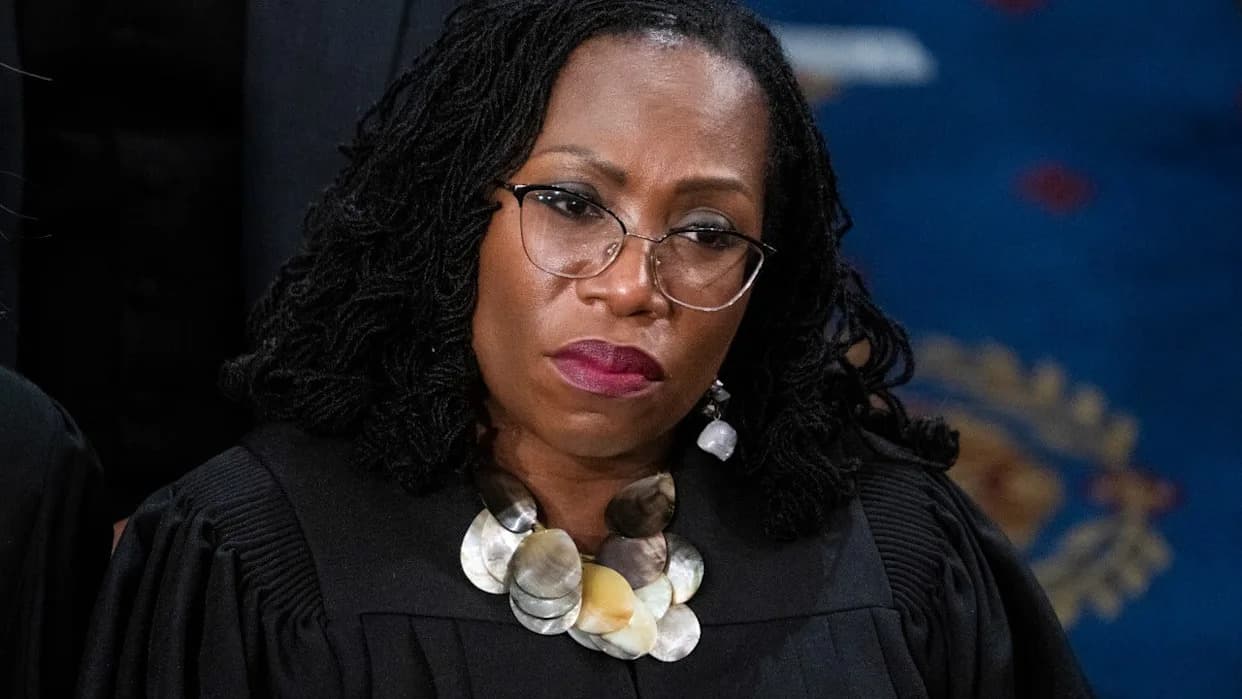
Jackson protests as Supreme Court uses Louisiana gerrymandering ruling to instruct lower courts
Justice Ketanji Brown Jackson dissented after the U.S. Supreme Court relied on its recent ruling in Louisiana v. Callais to send a separate Mississippi Voting Rights Act challenge back to a federal trial court. The Court's order, issued Monday, remanded the case to the U.S. District Court "for further consideration" in light of the high court's narrower interpretation of Section 2 of the Voting Rights Act.
"This case presents only the question of Section 2’s private enforceability, which our decision in Louisiana v. Callais … did not address," Justice Jackson wrote in dissent. "Thus I see no basis for vacating the lower court’s judgment."
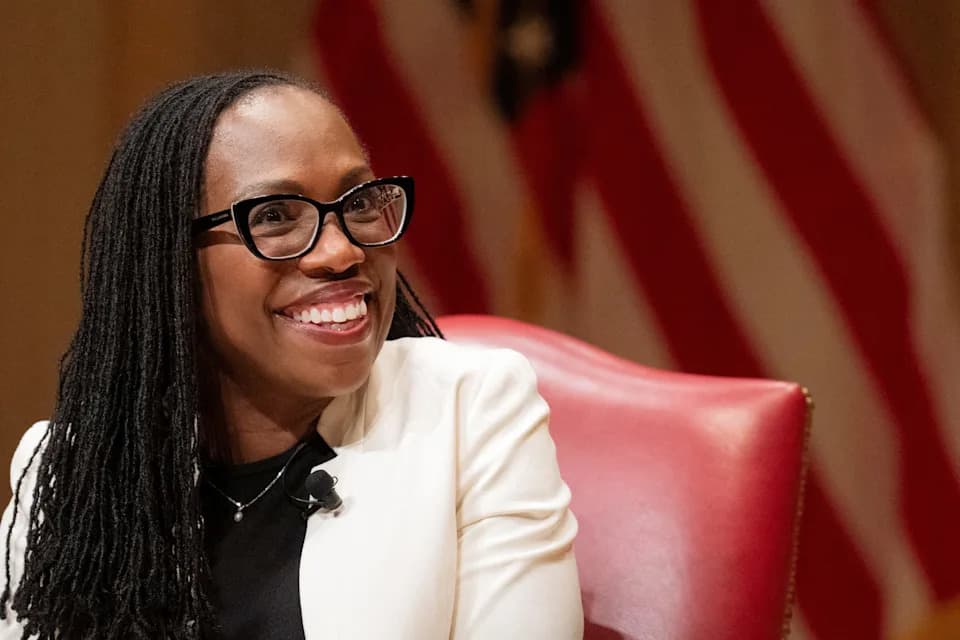
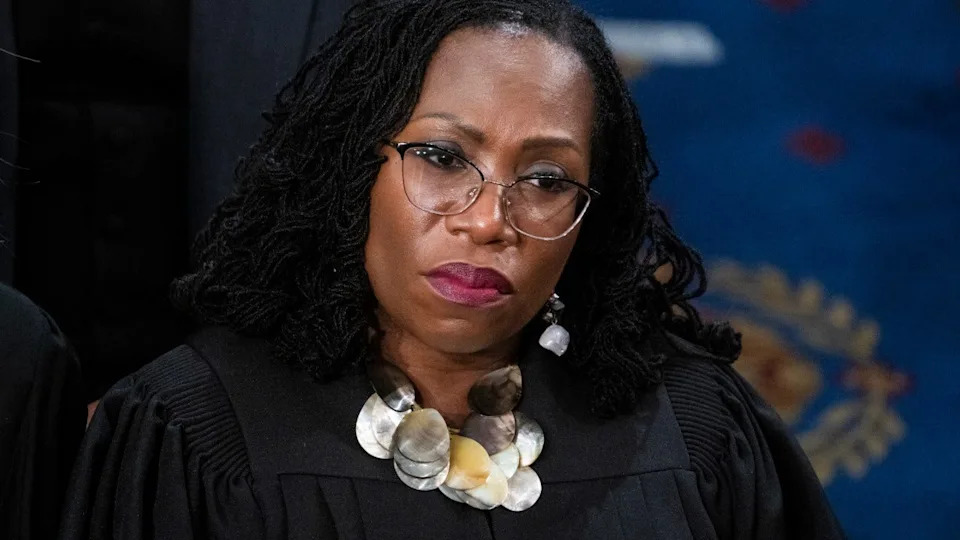 Supreme Court Justice Ketanji Brown Jackson.(Getty Images)
Last month, in Louisiana v. Callais, the Supreme Court limited the scope of Section 2 — the provision often used to challenge district maps that allegedly dilute minority voting power. That case centered on Louisiana’s 2024 congressional map and whether the state's addition of a second majority-Black district amounted to an unconstitutional racial gerrymander. Although the justices acknowledged that complying with the Voting Rights Act can be a compelling interest in redistricting, the Court concluded the Act did not require Louisiana to create the second majority-Black district and affirmed the lower court’s block of the map.
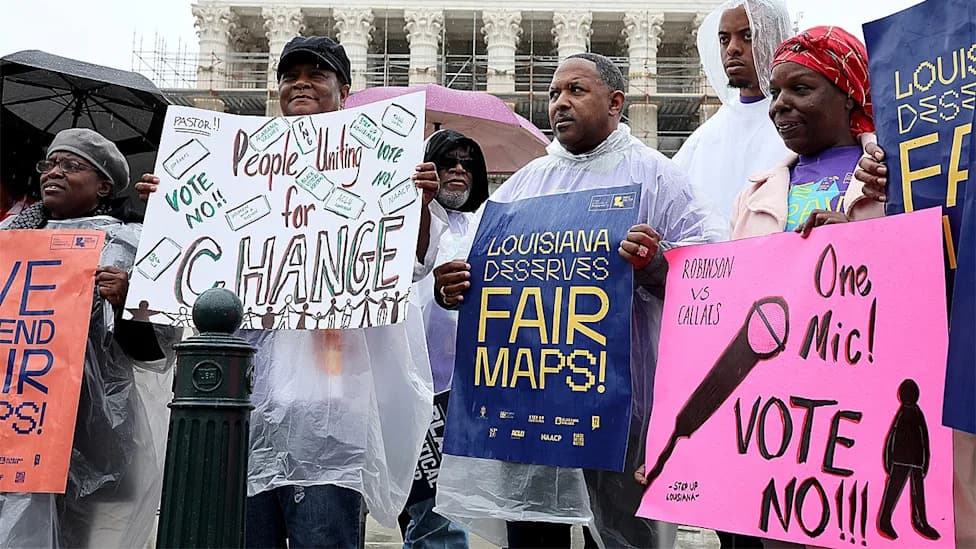
The Court’s guidance in Callais and the subsequent remand of the Mississippi matter could reshape litigation strategies: legal analysts warn plaintiffs may now face a higher burden, including showing a racially discriminatory motive, to prevail in certain Section 2 challenges. Voting rights advocates have expressed concern that the decision could erode prior victories obtained under Section 2 and prompt a fresh wave of litigation over congressional boundaries.
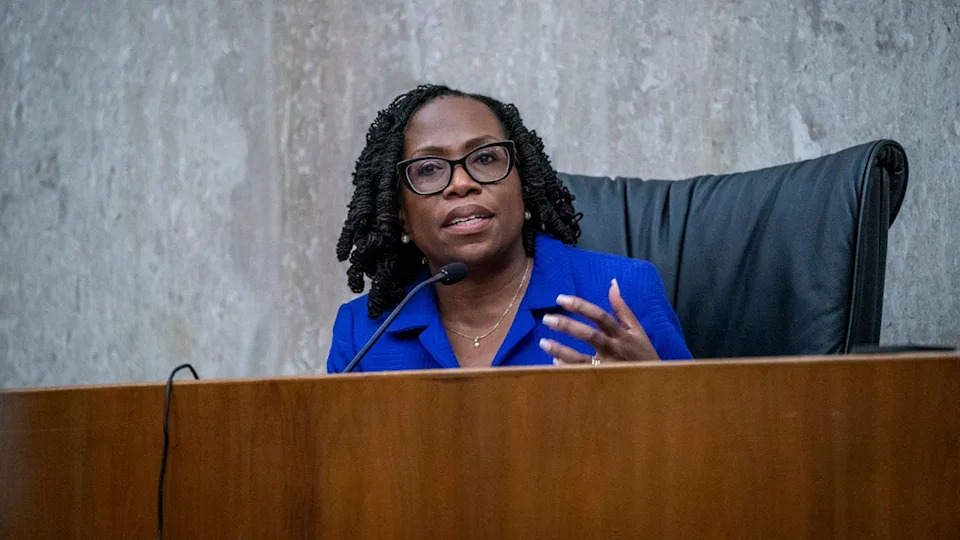
Supreme Court Justice Ketanji Brown Jackson gives a joint lecture, as part of the Flannery Lecture series, at the Ceremonial Courtroom at the U.S. Courthouse on March 9, 2026, in Washington, D.C.
Justice Jackson’s dissent emphasizes that the specific question in the Mississippi case — whether Section 2 is privately enforceable in the way the lower court held — was not resolved by the Court’s ruling in Callais. For Jackson, that distinction undercuts the majority’s reason for vacating the lower court’s judgment.
What Comes Next: The Mississippi case will return to the district court for reconsideration in light of the Court’s recent guidance. Observers expect additional challenges to congressional maps and rulings as lower courts interpret the scope and evidentiary standards required under the narrowed reading of Section 2.
Help us improve.