Summary: The Faster Labor Contracts Act (FLCA), backed by Sen. Josh Hawley, would require negotiations for initial union contracts to start within 10 days and conclude within 120 days; unresolved disputes would go to mandatory arbitration. The Federal Mediation and Conciliation Service (FMCS) would help appoint arbitrators, giving the agency a decisive role. Critics warn the FLCA could revive a criticized agency, replace negotiated bargains with imposed terms, and create "state action" that invites First Amendment challenges.
Josh Hawley’s FLCA Would Accelerate First-Contract Timelines — And Let Government-Appointed Panels Impose Terms
Josh Hawley's Pro-Union Bill Would Let Washington Write Your Contract
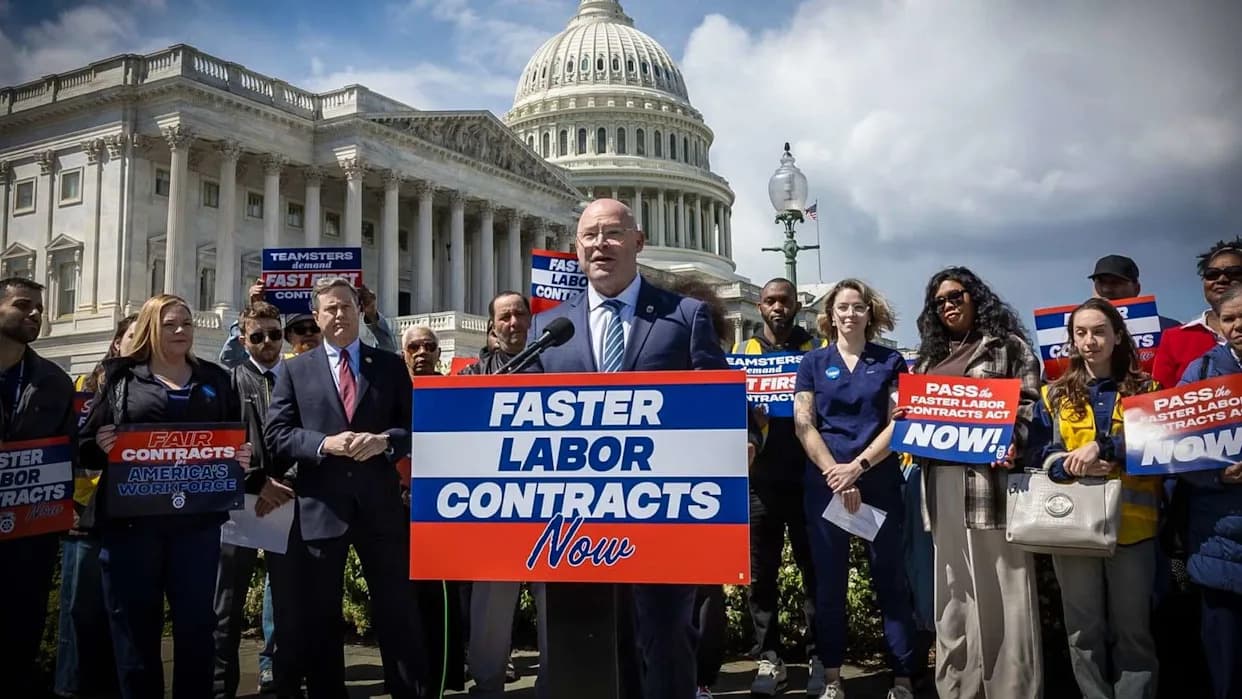
Sen. Josh Hawley’s Faster Labor Contracts Act (FLCA) would impose strict timelines on first-contract negotiations and, if talks fail, shift disputes to government-mandated arbitration. Supporters say the bill would speed outcomes for newly organized workers; critics warn it risks handing control of private-sector bargaining to a federal agency and could raise constitutional questions.
What the FLCA Would Do
The FLCA seeks to shorten the time it takes to reach an initial collective-bargaining agreement after a union is recognized. Under the bill’s framework, negotiations must begin within 10 days of a bargaining request. Parties would then have 90 days to bargain, followed by 30 days of mediation. If no agreement is reached, the dispute would proceed to mandatory arbitration.
Arbitration would be conducted by a three-member panel chosen by the parties; if they cannot agree on the third arbitrator, the Federal Mediation and Conciliation Service (FMCS) would appoint the deciding member. That panel would have authority to set contract terms binding on both employers and unions.
Legislative Status
Hawley originally filed the FLCA in the Senate with bipartisan co-sponsors; additional sponsors have since joined. A House companion bill lists 99 co-sponsors (17 Republicans). The bill has been stalled in committee in both chambers, but a House discharge petition could force a floor vote if it reaches a majority of signatures.
"It will be brought to the floor and it will pass. That is a guarantee," Rep. Brian Fitzpatrick (R–Pa.), a co-sponsor, told a Teamsters gathering.
Key Concerns and Criticisms
Critics raise three broad objections:
- Policy and Practical Concerns: Collective bargaining often requires extended, industry-specific negotiations. A Bloomberg Law analysis found that initial union contracts tend to take about 409 days on average; compressing that process to 120 days could force imposed settlements rather than negotiated agreements.
- Agency Resurgence: The FMCS would play a central role in appointing arbitrators. The agency has previously drawn criticism over spending and management; oversight actions sharply reduced its staff, but the FLCA would restore and expand its influence in private-sector contracting.
- Constitutional Risk: By inserting a government-appointed panel into private bargaining, the law could create a form of "state action," which in turn might permit First Amendment or other constitutional challenges (for example, claims based on Janus v. AFSCME if courts find a sufficient connection to the state).
Why It Matters
The FLCA represents a growing bipartisan interest in pro-worker reforms among some conservatives, but it also raises fundamental questions about the proper balance between government involvement and private bargaining. If enacted, the law would change how first contracts are reached and could set legal precedents about when government involvement converts private disputes into state action.
Bottom line: The FLCA aims to speed first-contract outcomes, but it would significantly expand the FMCS’s role in private-sector bargaining and could invite constitutional litigation. Lawmakers, employers, unions, and workers will likely debate whether the potential benefits of quicker agreements outweigh the risks of imposed terms and legal controversy.
Help us improve.