The UAW and allied groups are preparing for the possibility of a coordinated national strike or targeted economic disruptions on May 1, 2028, aiming to align contract expirations across multiple industries to amplify bargaining leverage. Labor Notes estimates about 830,000 workers have contracts expiring between March and July 2028, including autoworkers, postal workers, grocery staff, and teachers. Organizers cite the Twin Cities mobilizations and the May Day Strong coalition's training programs as potential blueprints for larger action, but emphasize that sustained organizing, financial support, and cross-sector solidarity are essential.
Could May Day 2028 Become a Coordinated National Strike?
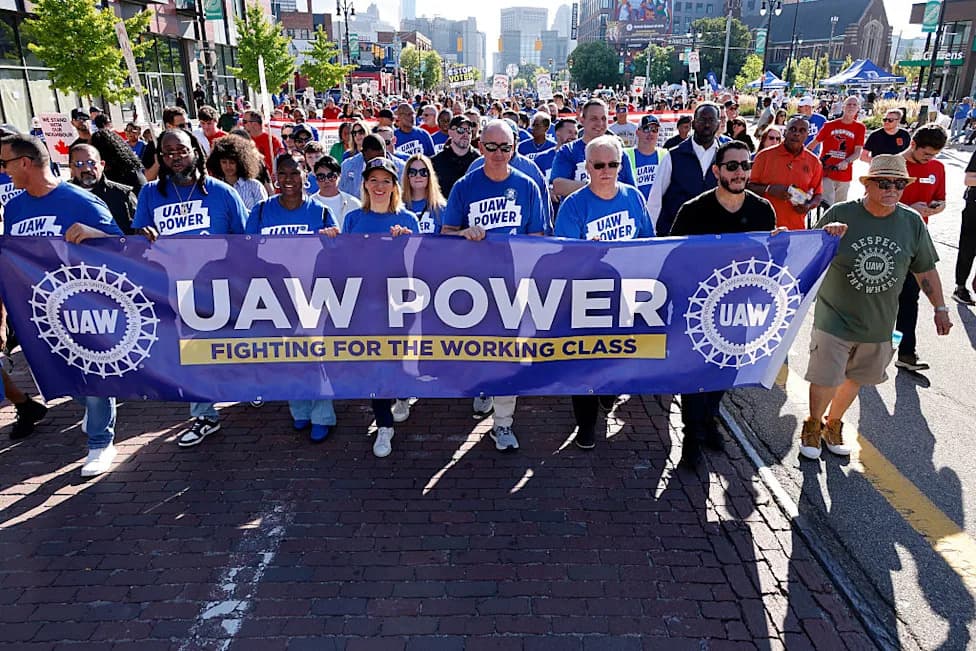
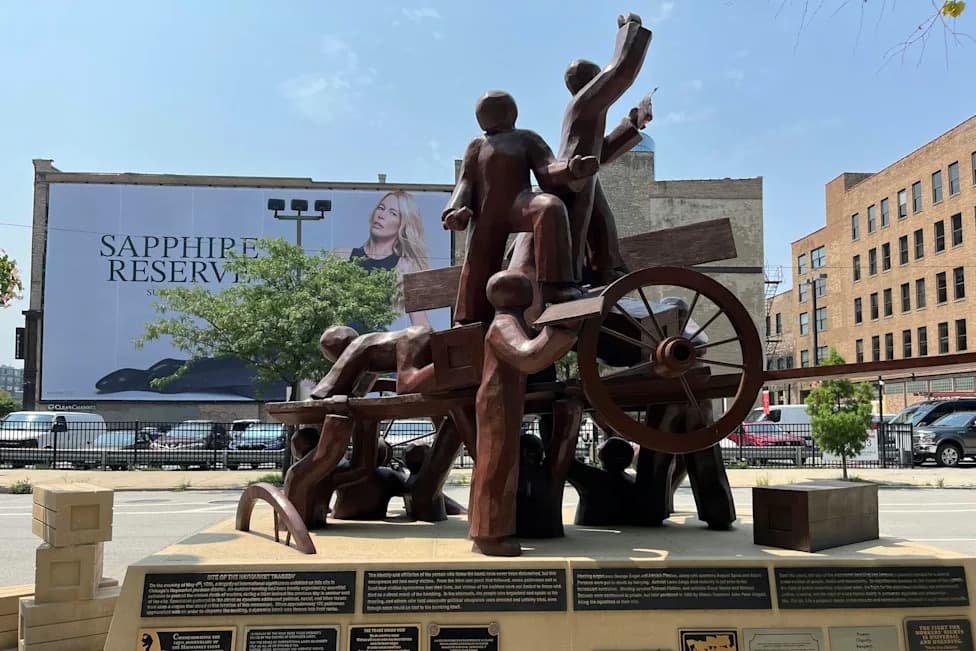
The second Trump administration has launched an aggressive assault on labor unions and workers' rights. Coordinated action across the labor movement on May Day 2028 could strike a blow against MAGA's anti-labor agenda. (Jeff Kowalsky / AFP via Getty Images)
Three years after the United Auto Workers (UAW) leveraged a major victory against the Big Three and called for broader labor action, union leaders and allied groups are preparing for a possible national day of coordinated disruption on May 1, 2028.
Where Things Stand
Labor Notes identified roughly 830,000 workers with contracts slated to expire or expected to lapse between March and July 2028. This pool includes about 150,000 autoworkers at the Big Three, roughly 153,000 American Postal Workers Union (APWU) members (though a full postal strike appears unlikely), about 95,000 grocery workers represented by the United Food and Commercial Workers (UFCW), and approximately 77,000 K–12 educators in the California Teachers Association.
“Together, we can turn May Day into a national day of reckoning. If more union workers stand up together, we will all have more power to win what we're owed.”
Why May Day 2028 Matters
Organizers say the stakes have risen amid reported rollbacks to labor protections, including the loss of collective-bargaining rights for an estimated one million federal employees and constraints on enforcement by agencies like the National Labor Relations Board. Tens of thousands of immigrant workers have also faced increased criminalization and loss of legal status.
With many key contracts expiring in a presidential year, labor leaders see an opening to synchronize bargaining calendars, demands, and actions to defend democratic institutions and press for economic reforms — from stronger pensions and Medicare for All to a shorter workweek and higher taxes on the wealthy.
Lessons From the Twin Cities
Organizers point to January actions in the Twin Cities as a model for cross-sector escalation. When federal agents were deployed, unions and community groups used decades of coalition work to trigger school walkouts, sit-ins, demonstrations, and strikes. Organizers estimate at least 100,000 marched in downtown Minneapolis on January 23, and many thousands statewide missed work to participate in a large political strike that included nonunion construction and restaurant workers.
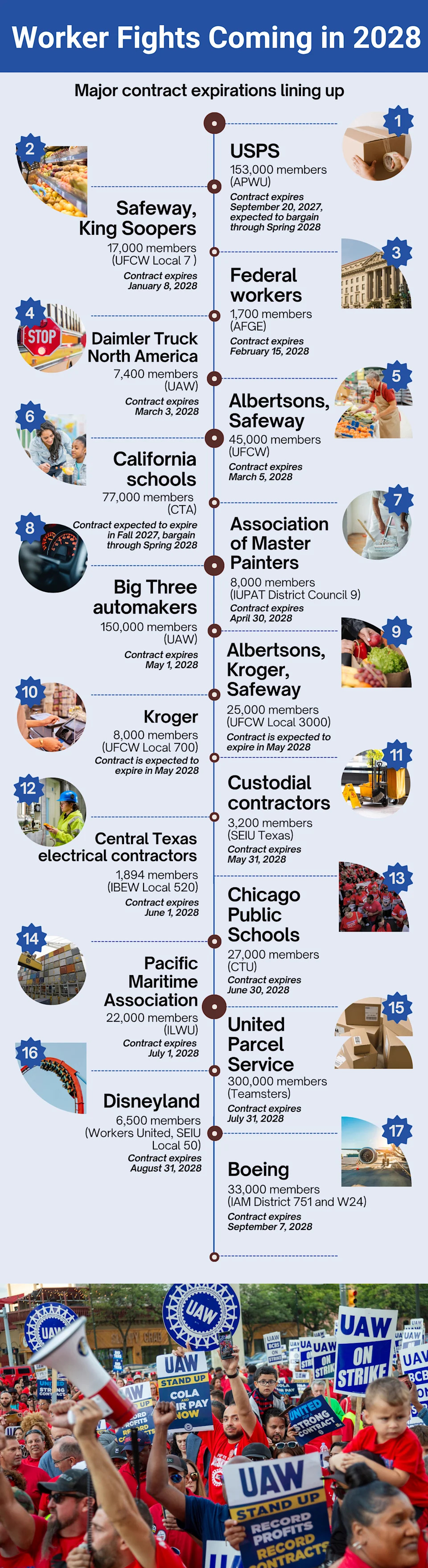
Union contract expirations set for 2028. (Labor Notes)
That episode demonstrated how unions acting as movement organizations can attract nonunion participation, an important dynamic in a country where roughly 90% of private-sector workers are nonunion.
Organizing Strategies and Challenges
To translate local surges into a coordinated national effort, organizers emphasize durable, long-term organizing rather than ad-hoc crisis responses. Practical steps discussed by labor leaders include:
- Coordinating contract timetables where possible;
- Securing sympathy-strike language that allows members to honor other unions' picket lines (Article 9 of the Teamsters National Master Freight Agreement is cited as a model);
- Building mutual-aid and legal defense funds to support strikers and nonunion allies; and
- Training activists in election defense and rapid-response tactics.
May Day Strong And Political Headwinds
The May Day Strong coalition, formed in March 2025 under the banner "workers over billionaires," is running roughly 750 "Solidarity Schools" and allied actions nationwide from late August through mid-September to train organizers in election defense, poll monitoring, and contingency responses to interference or suppression.
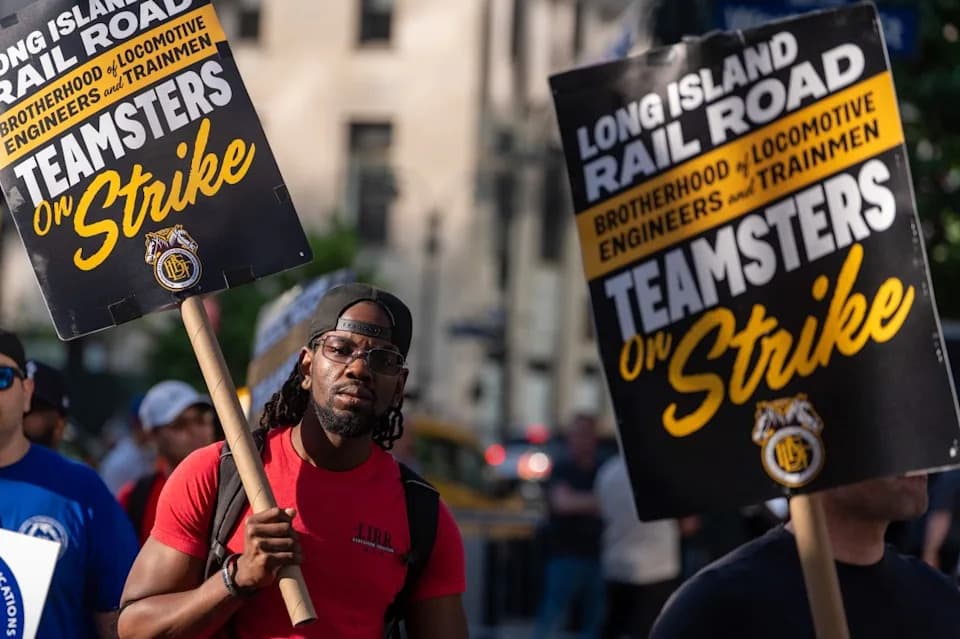
At the same time, Republicans have launched inquiries into unions that supported opponents of President Trump. Reported targets include Minnesota unions, the Communications Workers of America (CWA), Service Employees International Union (SEIU), American Federation of Teachers (AFT), UAW, SMART Transportation Division, and two Teamsters railroad affiliates. These investigations raise legal and political risks for unions contemplating coordinated action.
What To Watch Before May 2028
Key indicators of momentum will include: the degree to which unions can align bargaining calendars or negotiate sympathy-strike clauses; the scale of financial support available for workers without strike pay; the spread of cross-sector solidarity actions; and the outcome of political investigations and election-security developments leading into November.
The scale of disruption achievable on May Day 2028 will depend on organizing that happens now: building durable institutions, training activists, pooling legal and strike support, and winning the public narrative for coordinated labor action.
Help us improve.