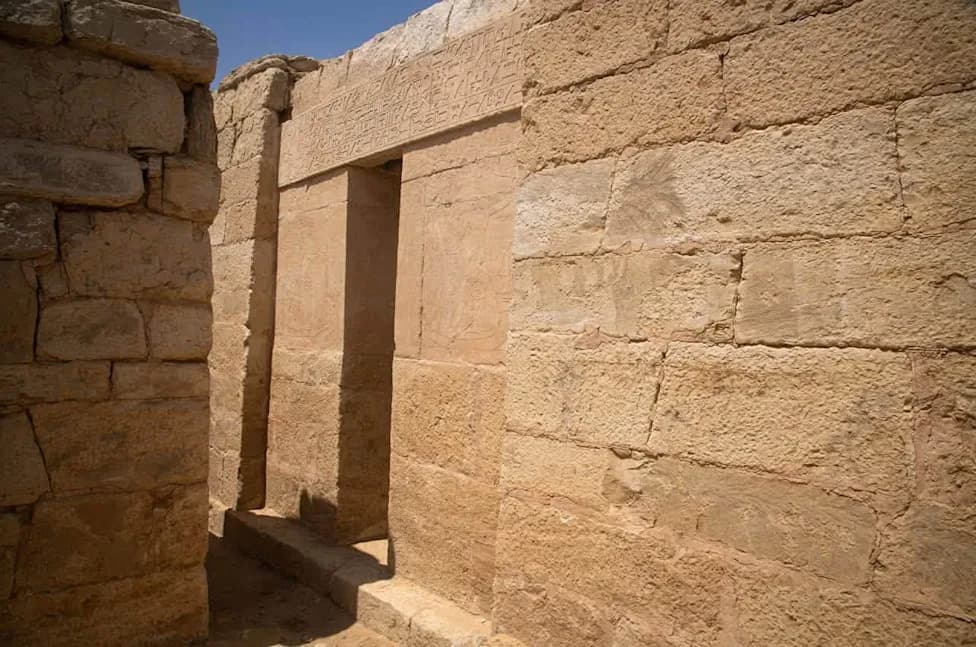
Satellite surveys mapped 280 circular and oval stone structures in Sudan’s Atbai Desert, revealing 260 previously undocumented funerary enclosures described in a 2026 study by the Atbai Survey Project. Dated to the fourth and third millennia BC, these Atbai Enclosure Burials pre-date Egypt’s pyramids and often contain human remains interred with livestock. Many sites lie close to dwindling water sources, offering insight into how pastoralist communities adapted to the end of the African Humid Period. The findings highlight the power of satellite archaeology for documenting and protecting remote heritage sites.
Satellite Images Reveal 260 Massive Stone Tombs in Sudan’s Atbai Desert — Older Than Egypt’s Pyramids
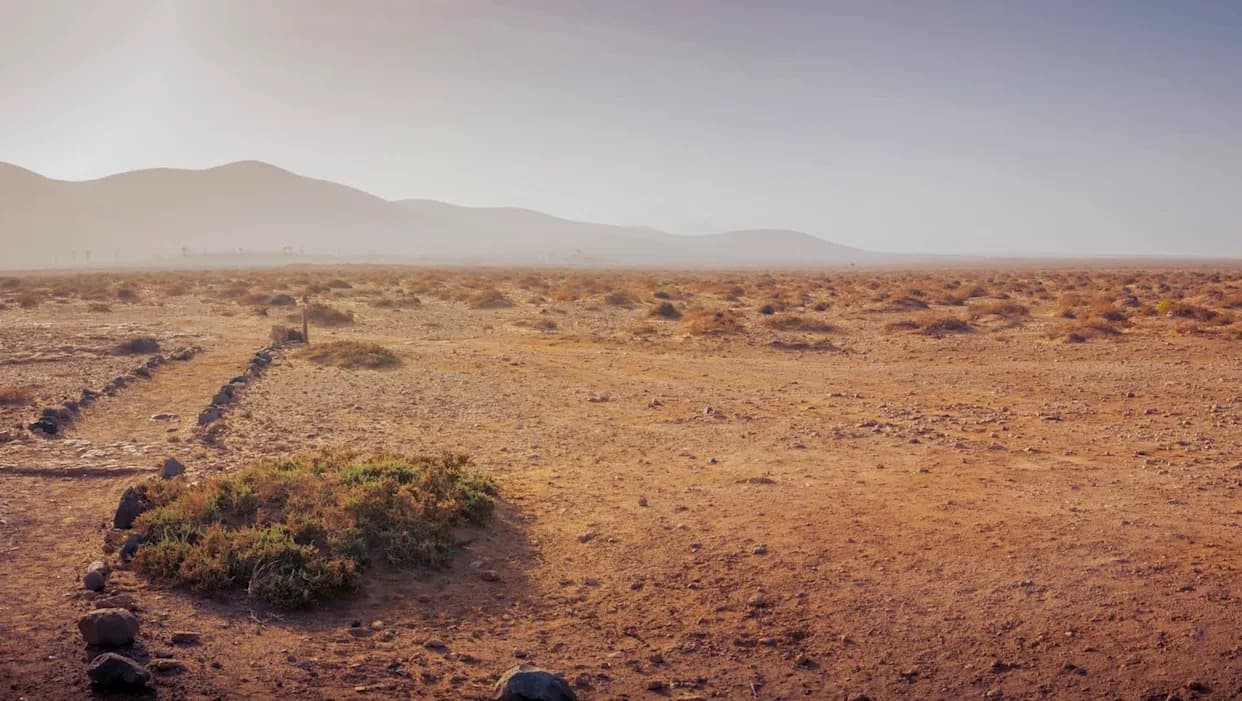
Photo Credit: iStock
Satellite imagery and landscape-scale mapping have helped archaeologists uncover a previously hidden chapter of human history: 260 large stone funerary monuments in Sudan’s Atbai Desert, according to a 2026 study in the African Archaeological Review by the Atbai Survey Project.
What Was Found
Researchers used satellite data to survey the broad desert corridor between the Nubian Nile and the Red Sea Hills and mapped 280 circular and oval stone structures, 260 of which had not been documented before. Known as Atbai Enclosure Burials, many are circular stone enclosures that in some cases exceed 262 feet (80 meters) across.
Dating and Regional Context
The enclosures appear to date to the fourth and third millennia BC, with some related examples likely older. That timing places the earliest phase of this burial tradition before the pyramid-building era of pharaonic Egypt and indicates complex social practices among pastoralist groups in the eastern Sahara long before Egypt’s famous monuments.
What The Burials Reveal
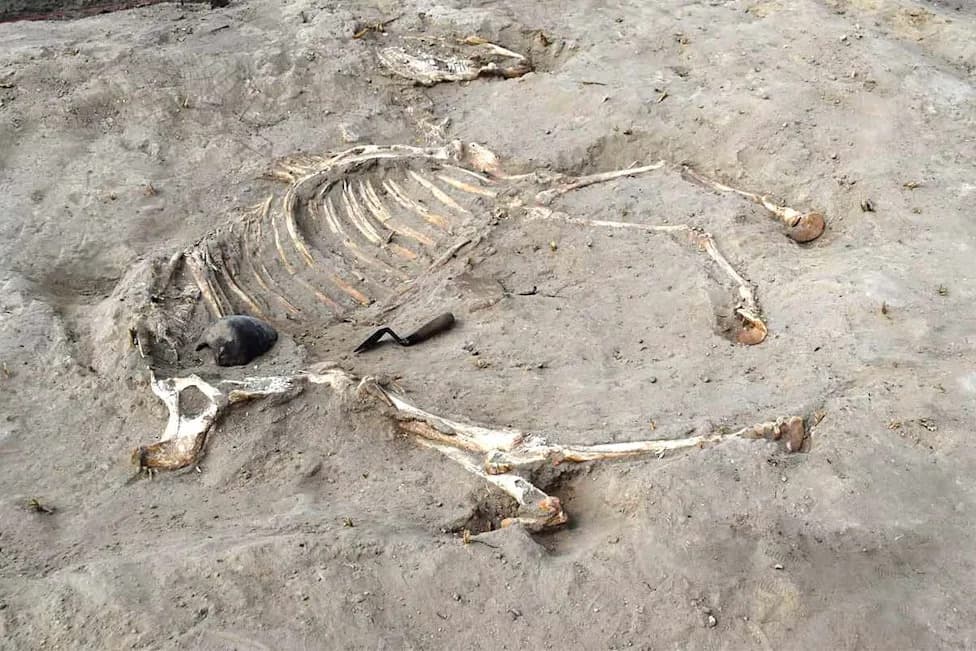
Excavated examples show the enclosures were not simple single graves. Human remains were interred alongside livestock — cattle, sheep and goats — highlighting the central role animals played in both daily subsistence and social status. Many monuments are clustered near wells, rock pools and other scarce water sources, linking burial ritual and community gathering places as the region grew drier.
Environmental and Cultural Significance
The sites date to the end of the African Humid Period, a time when the Sahara was transitioning to more arid conditions. The monuments provide a rare archaeological window into how mobile pastoralist communities adapted to climate change, maintained social networks, and used ceremonial architecture to anchor people and livestock to key resources.
Methods and Heritage Protection
This discovery also underscores the growing value of satellite archaeology. Space-based imagery enables researchers to detect and document vulnerable sites across remote or threatened landscapes without immediate ground disturbance. Identifying these enclosures now improves the prospects for protecting them from looting, development, and natural degradation.
Viewed more broadly, the Atbai enclosures recover overlooked histories of the eastern Sahara, enrich our understanding of prehistoric pastoral societies, and strengthen the case for conserving fragile cultural heritage that still holds important information about early human life in the region.
Help us improve.