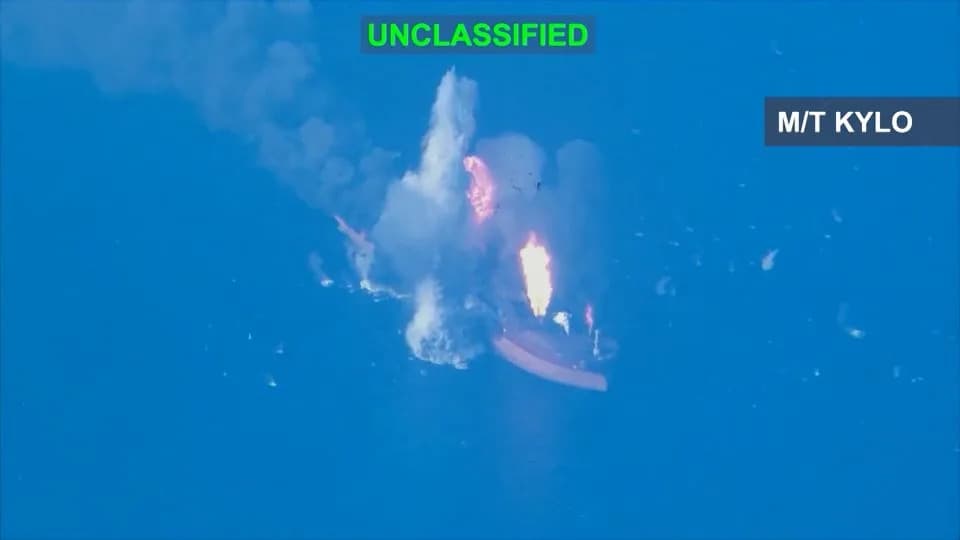
South Korean officials told Yonhap they see a low likelihood that any actor other than Iran carried out the May 4 attack on HMM's Namu near the Strait of Hormuz. Seoul is reviewing U.S.-shared intelligence and has sent forensic teams to Dubai to inspect damage to the vessel's lower stern. Iran denies responsibility; South Korea says it will take appropriate, evidence-based measures if the investigation confirms Iranian culpability.
South Korea Says Iran Likely Behind May 4 Attack On HMM’s Namu Near Strait Of Hormuz
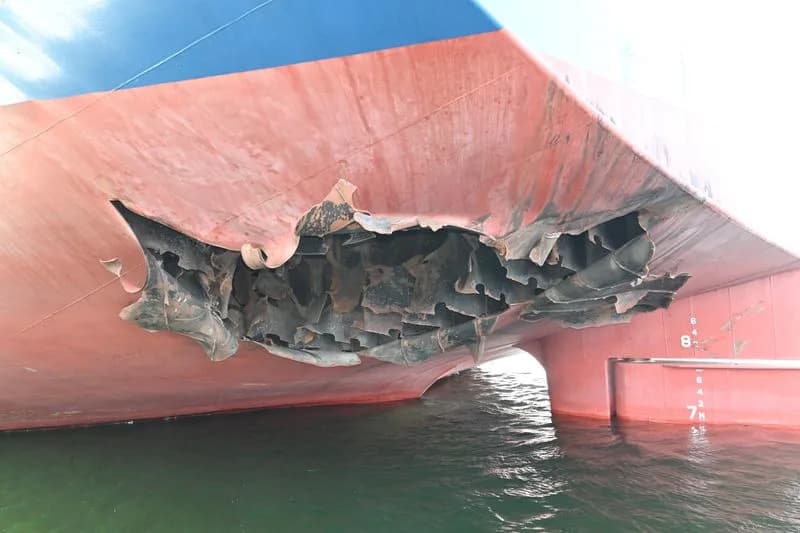
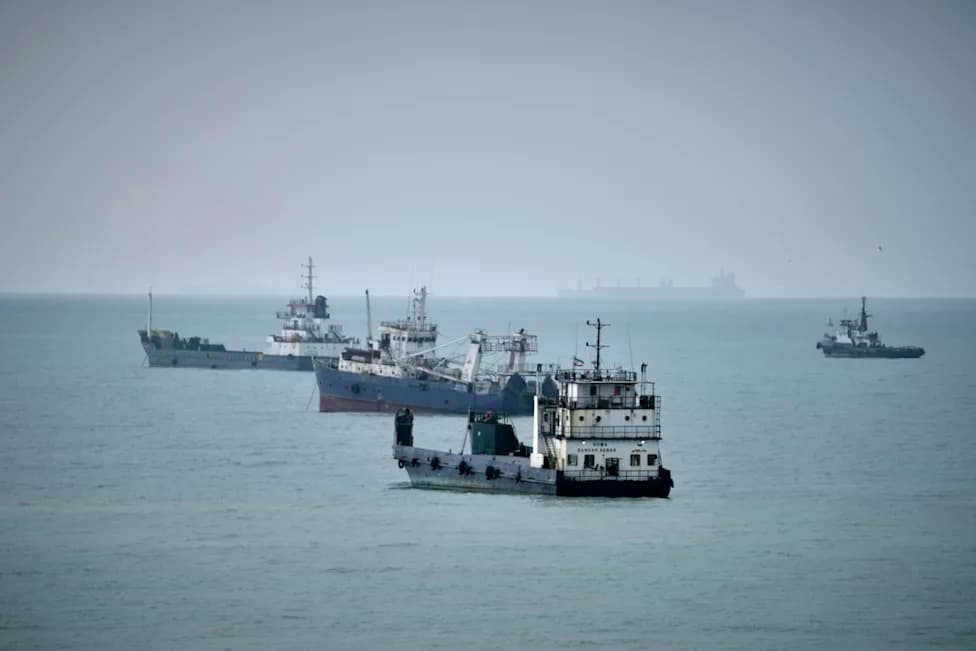
The damaged stern of a bulk carrier operated by South Korean shipper HMM, after it was struck by two unidentified objects on May 4 while stranded in the Strait of Hormuz, in this handout picture released on May 10, 2026. South Korean Foreign Ministry/Handout via REUTERS
SEOUL, May 14 (Reuters) — A senior South Korean foreign ministry official told Yonhap on Thursday that it is unlikely any actor other than Iran carried out the May 4 attack on HMM's container ship Namu near the Strait of Hormuz.
Seoul is reviewing intelligence shared by the United States about the incident, which caused a fire and damaged the vessel's lower stern hull. South Korea has dispatched expert teams to Dubai, where the Namu is being inspected ahead of planned repairs, to conduct a forensic assessment of the damage.
"Once we go through the investigation and present the evidence, I trust that the Iranian side will respond in an appropriate way," the official said.
The foreign ministry clarified that the remarks were made "on the premise that Iran is found responsible for the attack through the investigation" and reiterated that Seoul will take appropriate, evidence-based measures once the probe concludes. Iran has denied responsibility and has so far declined further public comment as South Korea continues its investigation.
U.S. President Donald Trump publicly stated soon after the incident that Iran had fired on the South Korean vessel and urged Seoul to join U.S.-led efforts to secure shipping through the strait. South Korean authorities say the inquiry remains ongoing and that they will act based on forensic findings and shared intelligence.
What to Watch
Forensic results from Dubai and any U.S.-provided intelligence will be central to Seoul's conclusions. Given the strategic importance of the Strait of Hormuz for global trade, the findings are likely to have diplomatic and security implications depending on whether Iran is ultimately found responsible.
Reporting by Jack Kim; Editing by Ed Davies
Help us improve.