Keir Starmer faces the biggest crisis of his premiership less than two years after a decisive 2024 win. His pragmatic, incremental approach has alienated some voters and fuelled internal unrest after disappointing local and devolved election results. Key issues include policy U‑turns, high borrowing, weak growth, resignations over controversies such as the Mandelson appointment, and the rapid rise of Reform UK. Starmer has pledged to fight on, but many MPs want a timetable for succession ahead of the 2029 general election.
Unpopular and Under Siege: Starmer Fights to Hold Leadership Less Than Two Years After Landslide
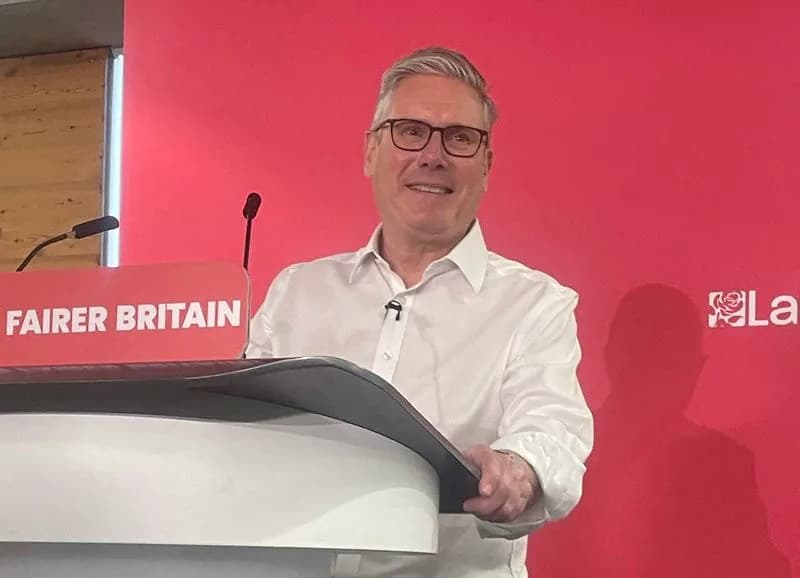
Britain’s Prime Minister Keir Starmer delivers a speech at a Labour Party event in London, Britain, May 11, 2026. REUTERS/Elizabeth Piper
Keir Starmer's leadership is under intense pressure less than two years after he led Labour to one of the largest parliamentary majorities in modern British history. A pragmatic, low‑ideology approach that helped win power in 2024 now leaves the prime minister squeezed between rival party factions, public impatience and warnings from colleagues that he may not be the best candidate to lead Labour into the next general election.
From Landslide to Leadership Crisis
Starmer swept to power in 2024 on a promise of stability and economic competence, campaigning on a pledge of 'economic stability and a plan for growth.' But analysts noted that the victory was broad rather than deep: Labour secured a large majority in seats while winning a relatively modest share of the popular vote, aided by tactical voting and a collapsing Conservative vote.
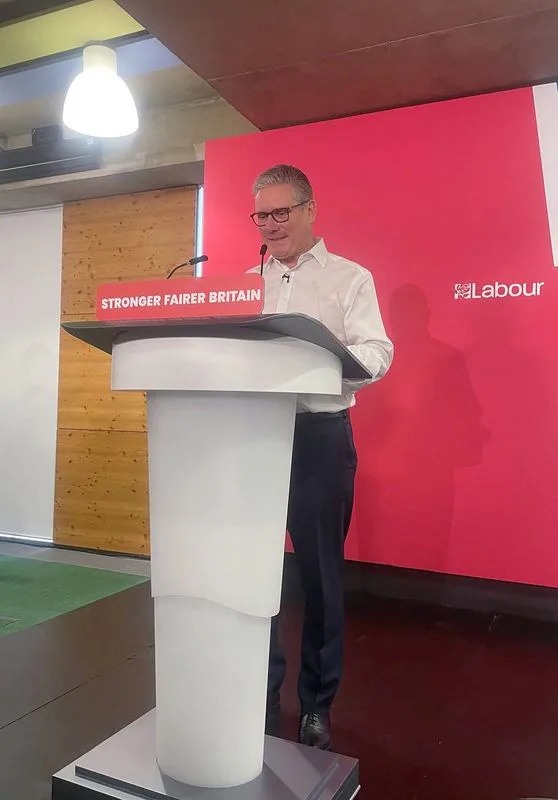
Britain’s Prime Minister Keir Starmer delivers a speech at a Labour Party event in London, Britain, May 11, 2026. REUTERS/Elizabeth Piper
Why The Backlash?
Party insiders point to Starmer's cautious, incremental style. More than 20 people inside Labour told colleagues that voters increasingly see the former human rights lawyer as indecisive and lacking charisma. That perception hardened amid a string of policy reversals, high‑profile controversies and disappointing results in recent local elections and in the Scottish and Welsh parliaments — defeats that have prompted renewed calls from some Labour MPs for him to set a departure timetable.
Policy, Personnel and Political Constraints
Starmer inherited difficult economic conditions in July 2024: high borrowing, sluggish growth and overstretched public services, together with a pre‑election pledge not to raise income tax or VAT that narrowed fiscal options. Several planned policies have faltered, triggering resignations and sackings and shrinking his pool of trusted advisers. Ministers and aides have also blamed large pre‑existing holes in the public finances left after pandemic and Ukraine‑related spending.
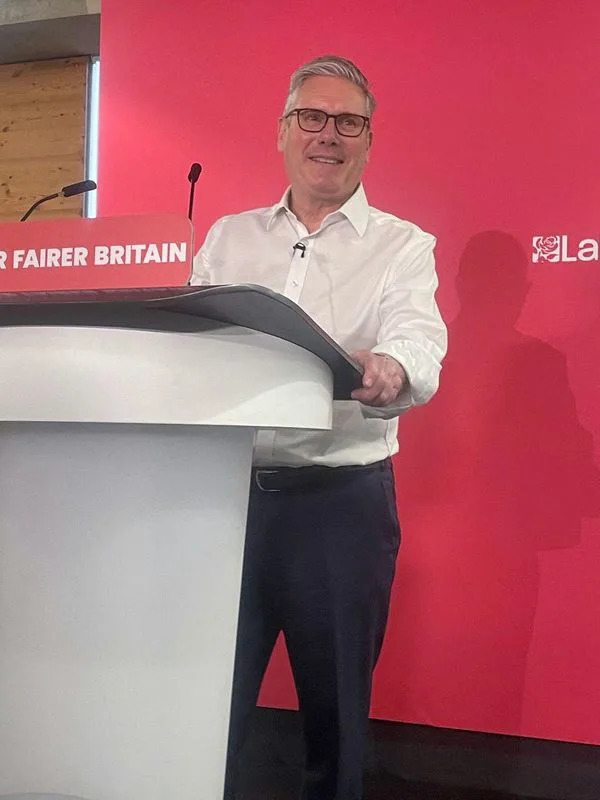
Britain’s Prime Minister Keir Starmer delivers a speech at a Labour Party event in London, Britain, May 11, 2026. REUTERS/Elizabeth Piper
'I would do anything to stop Farage,' Labour MP Catherine West told reporters, explaining why she has urged colleagues to consider a leadership challenge.
Controversies have included donations and the appointment of veteran Labour figure Peter Mandelson as ambassador to Washington, which triggered the resignation of Starmer's chief of staff and wider political fallout. Relations with the civil service have also been strained following senior dismissals at the foreign office.
Foreign Policy Bright Spots
Despite domestic turmoil, Starmer has made some diplomatic gains. He has been credited by some European leaders with helping to build a 'coalition of the willing' around Ukraine, has worked with President Emmanuel Macron on efforts related to the Strait of Hormuz, and briefly warmed ties with the United States — an effort that later cooled following public barbs from former U.S. President Donald Trump.
The Rising Threat From Populists
Domestically, the political map is fragmenting. Populist Reform UK has grown rapidly — surpassing 270,000 sign‑ups — while the Greens have advanced on the left. Labour's membership has fallen, and internal critics warn that Reform's momentum poses an existential risk if Labour does not sharpen its message and leadership.
What Comes Next?
At a recent cabinet meeting Starmer vowed to press on, but a growing number of MPs are urging him to name a timetable for leaving if he cannot unite the party and win back public confidence. With a general election not due until 2029, Labour faces a strategic reckoning: refresh the party's narrative and rebuild trust, or risk handing ground to insurgent rivals in a fragmented political landscape.
Help us improve.