Summary: China has deliberately adopted a U.S.-originated innovation model—letting commercial markets drive rapid iteration and scale—and turned it into strategic military advantage. Firms like DJI and state programs such as BeiDou show how consumer platforms and subsidies can produce capabilities later repurposed for defense. Open-source AI and commercial-scale manufacturing now accelerate that dynamic, while the U.S. procurement system remains slow and ill-suited to compete.
China Wins With the U.S. Playbook — How Commercial Tech Became Military Power
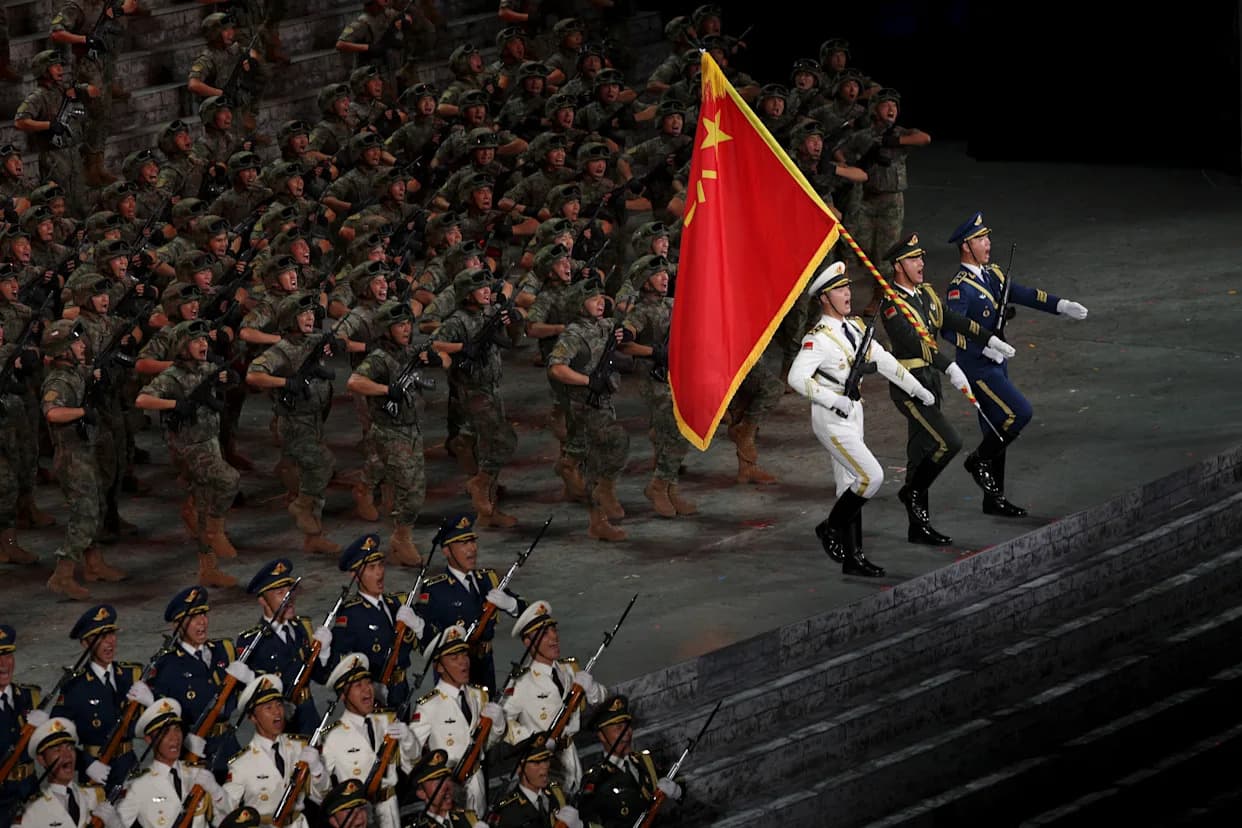
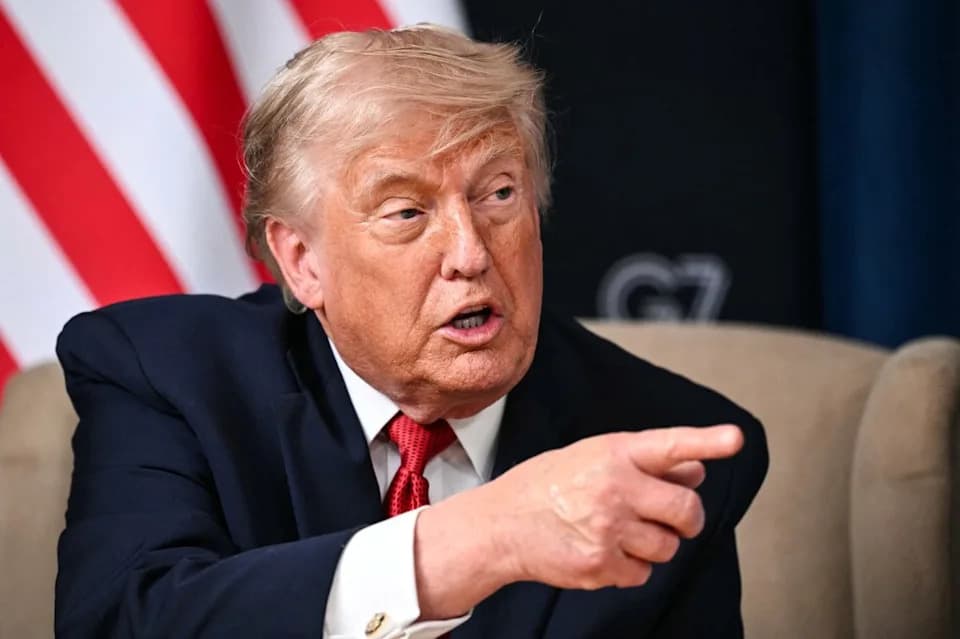
President Donald Trump’s most difficult challenge in meetings with Chinese leader Xi Jinping goes beyond tariffs or Taiwan: China has adopted and refined an innovation model the United States originally created, turning commercial advances into large-scale military advantage.
From a U.S. Security Flywheel to a Stall
Since World War II, the United States benefited from a security "flywheel" in which commercial technological leadership fed military superiority. U.S. industry and the federal government converted civilian production for wartime needs and funded basic research that produced semiconductors, GPS and the early internet—civilian breakthroughs that looped back into stronger military capabilities.
That flywheel has, however, largely stalled since the end of the Cold War. The U.S. defense sector consolidated into a narrower set of large contractors, top engineering talent migrated to Silicon Valley, and procurement rules hardened around slow, costly programs tailored to Cold War-era timelines — all of which resisted the rapid iteration common in commercial technology.
China Executed the Same Playbook — Deliberately
China has studied and executed that playbook with discipline. Instead of building military systems first, many Chinese firms and state programs built dominant commercial platforms that later produced military value as a byproduct.
DJI and the Drone Example
DJI became the world’s leading drone maker by serving photographers and filmmakers, not by winning defense contracts. Commercial pressure drove costs down and accelerated innovation in ways a defense procurement cycle could not match. The military applications arrived later, essentially for free. Today, Chinese suppliers produce roughly 80% of key drone components—motors, batteries and flight controllers—embedding Beijing in global supply chains and appearing even on U.S. lists of approved domestic platforms.
BeiDou: State-Led, Commercially Hardened
China’s BeiDou satellite navigation system began as a state-funded strategic priority in the 1990s. Large-scale subsidies for satellite launches and ground infrastructure created a global consumer footprint: more than 45 satellites and over a billion claimed users. That commercial reach makes BeiDou politically and practically difficult to isolate; a range of actors, including some Iranian systems, now use BeiDou navigation.
Open-Source AI and Rapid Commercial Iteration
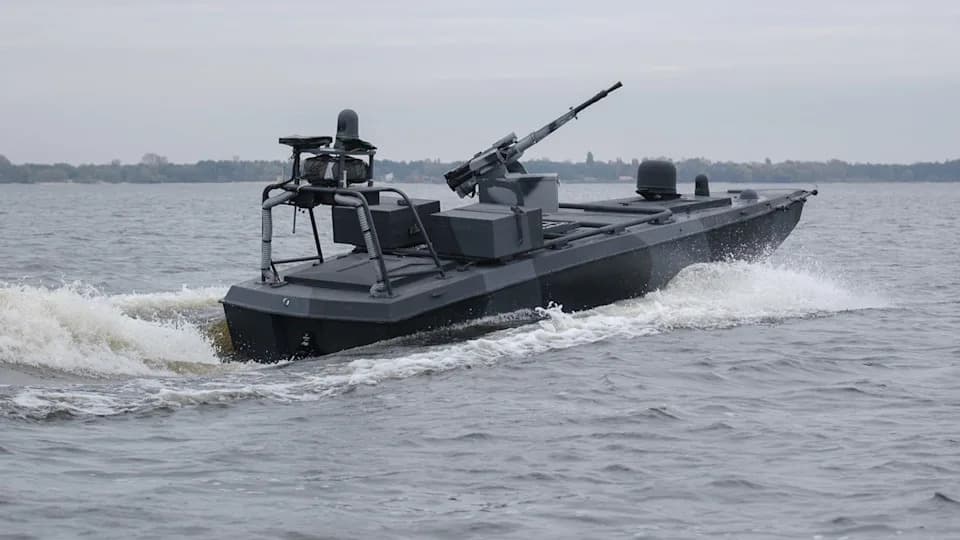
Artificial intelligence is accelerating China’s security flywheel. Beijing’s embrace of open-source AI platforms and rapid, market-led development shortened the time from civilian breakthrough to military application. Within months of the emergence of an efficient, low-cost model called DeepSeek, China’s state arms manufacturer Norinco adapted a DeepSeek-powered system into an autonomous combat vehicle. Academic and research institutions, including Beihang University and Xi’an Technological University, have reported DeepSeek-based work on drone-swarm decision-making and planning tools that can evaluate large numbers of battlefield scenarios in seconds.
Why U.S. Procurement Struggles
Analysts warn that modern military competition rests on civilian AI and market-driven innovation. Critics such as Paul Scharre of the Center for a New American Security argue that U.S. defense institutions have been slow to adapt. Executives like Christian Brose contend that a Pentagon acquisition system built for Cold War timelines and cost structures cannot compete with an adversary whose military capability scales directly from commercial market dominance.
Implications for Diplomacy
Mr. Trump arrives in Beijing with a crowded agenda—strife in the Strait of Hormuz, Taiwan arms sales, tariffs, aircraft and soybean deals, and the case of jailed Hong Kong media tycoon Jimmy Lai—but those negotiations are unlikely to resolve the deeper structural problem. A supply chain in which the U.S. military is effectively the only customer produces high prices, thin competition and sluggish iteration. China’s model leverages billions of civilian consumers to underwrite R&D and manufacturing at industrial scale, producing military capability as a byproduct.
The United States wrote the original playbook and then largely set it aside for decades while China studied, adapted and applied it more consistently. Closing that strategic gap will require policy, industrial and market changes that go well beyond a single summit—and may be overtaken by technologies that reshape the terms of the next conflict.
Help us improve.