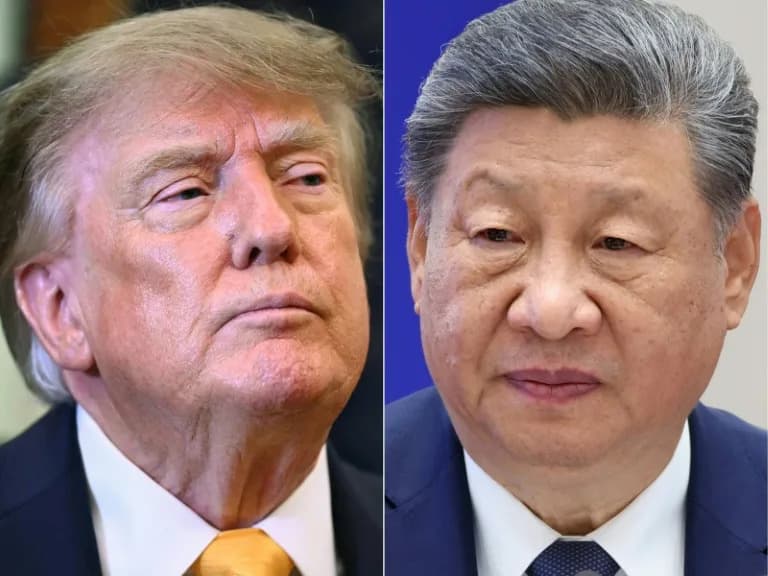
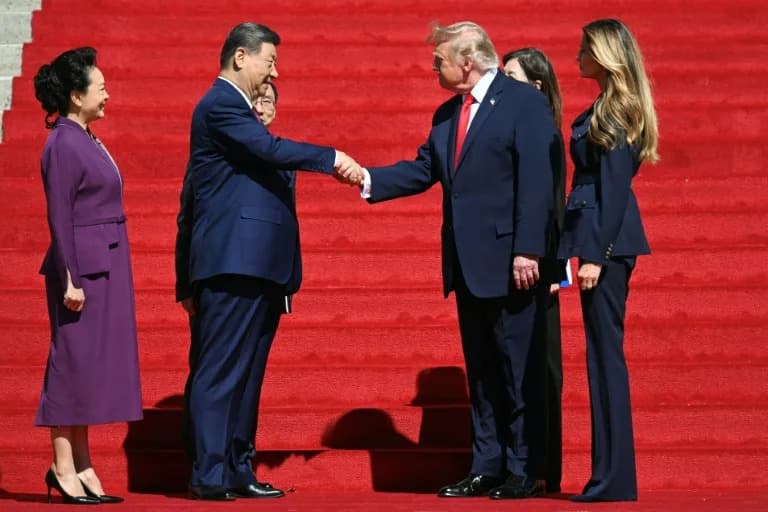
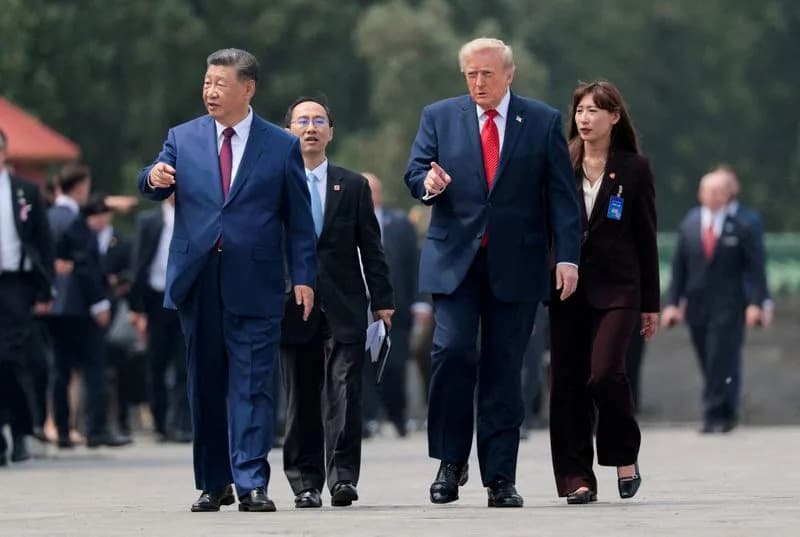
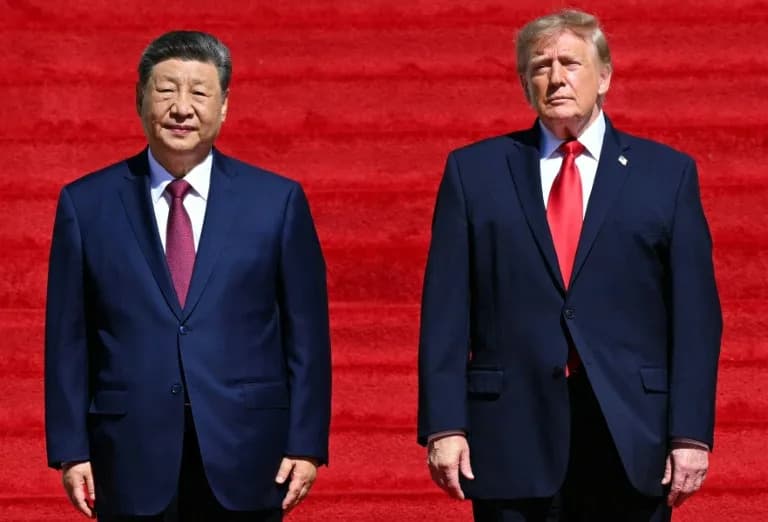
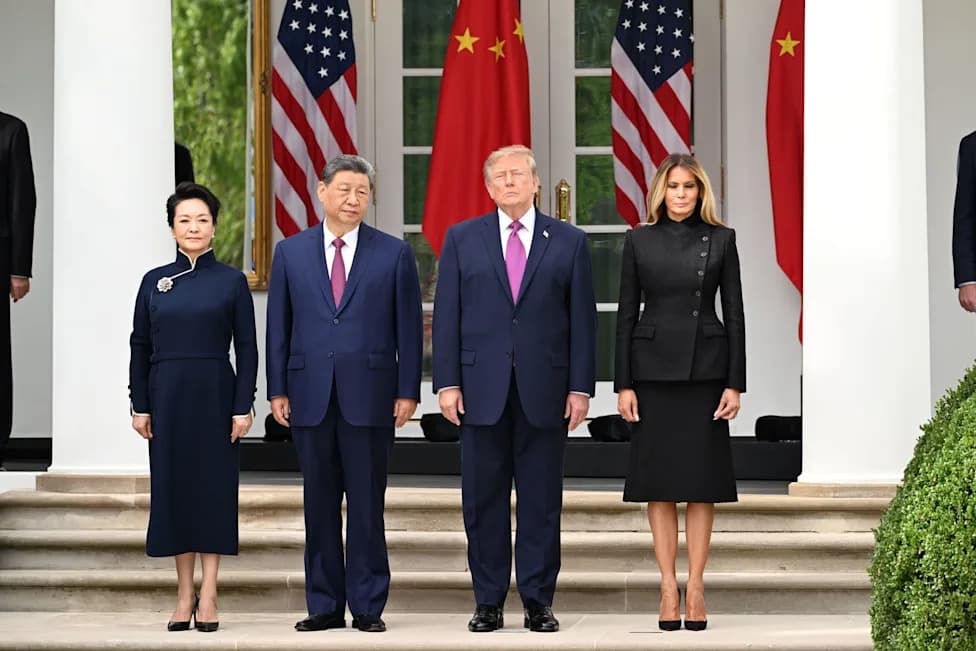
China currently imposes additional tariffs on a range of U.S. energy and agricultural exports ahead of a summit between Presidents Trump and Xi. Crude oil faces a combined 20% tariff; LNG 25%; propane and ethane 11%; coal 28%–31% depending on quality; soybeans 13%; and beef between 22% and 77% if imports exceed quota thresholds. These measures — a mix of product-specific duties and a 10% general levy on U.S. goods — continue to disrupt bilateral trade and will be a focus of talks.
Chinese Tariffs on U.S. Energy and Farm Exports: What to Know Ahead of the Trump–Xi Summit
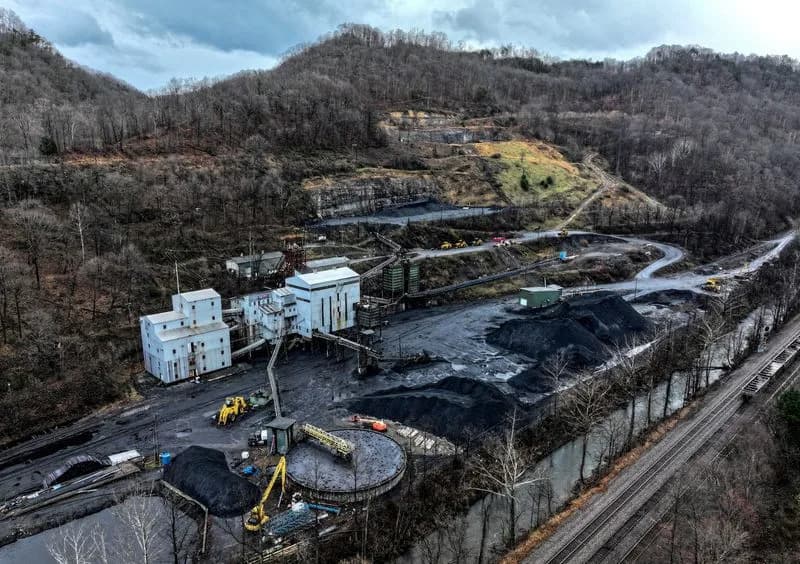
FILE PHOTO: A drone view shows a coal preparation plant outside of Welch, West Virginia, March 16, 2025. REUTERS/Evelyn Hockstein/File Photo
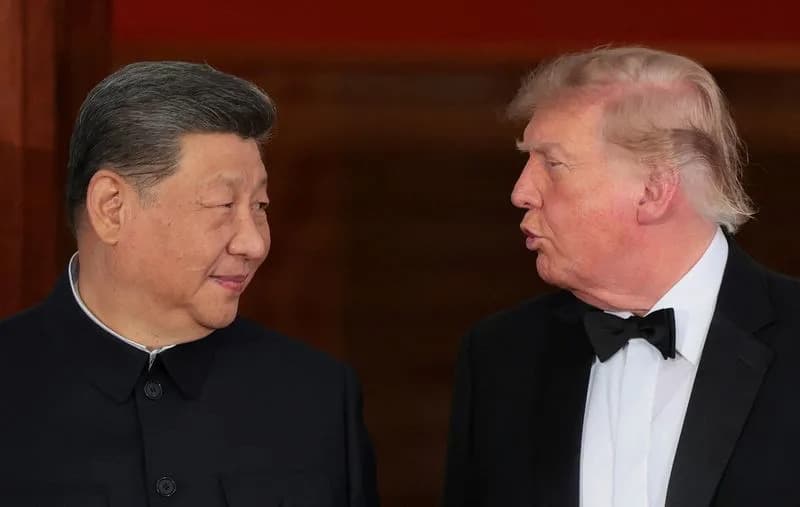
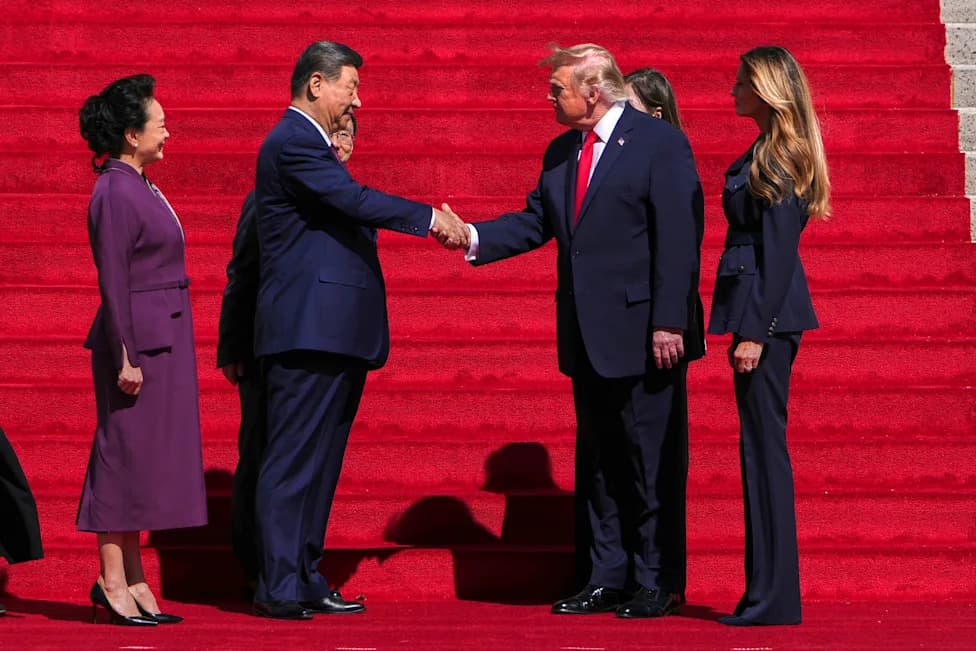
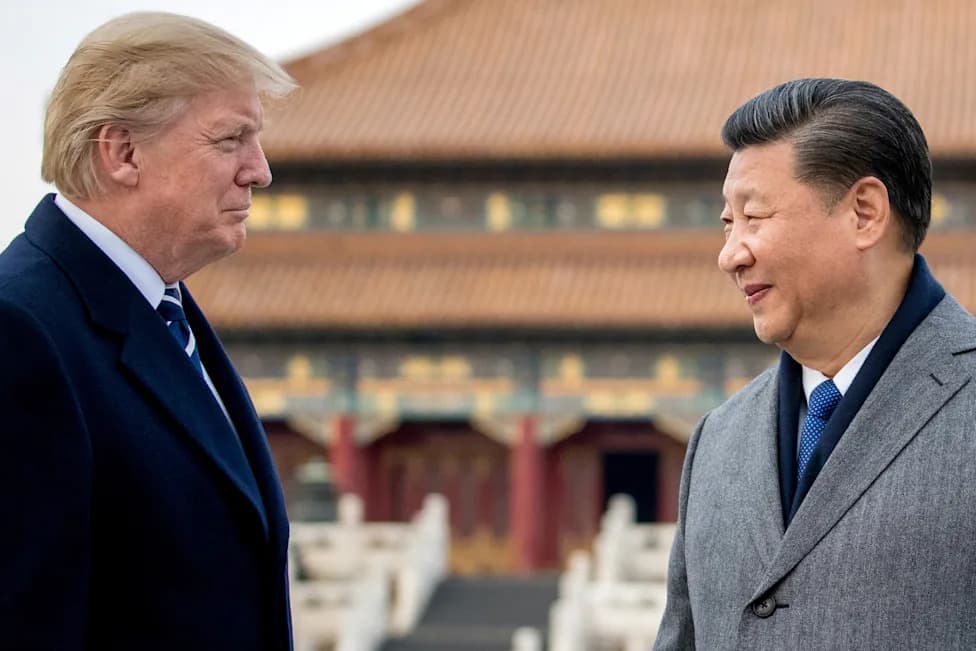
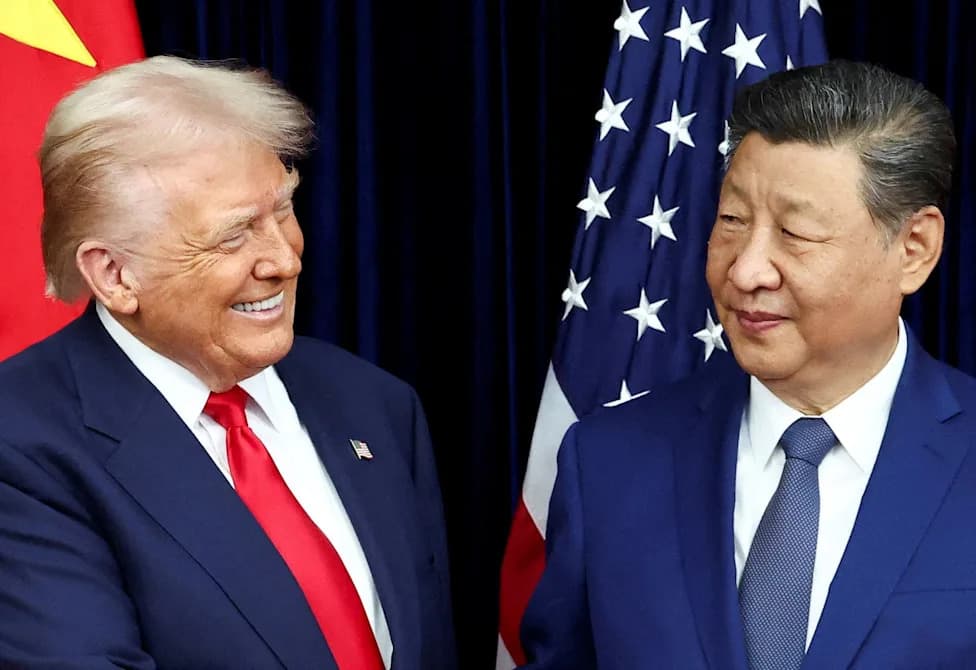
Beijing, May 12 — U.S. President Donald Trump is due in Beijing this week for a summit with President Xi Jinping, where U.S. officials say energy and agricultural deals are expected to be discussed. Much of the bilateral trade in these sectors remains disrupted by tariffs Beijing has applied to U.S. goods.
Tariff Breakdown
- Crude Oil — 20% — This combines China’s 10% product-specific tariff on U.S. crude announced in February with a broader 10% additional tariff that Beijing applies to all U.S. imports.
- LNG (Liquefied Natural Gas) — 25% — Includes a 15% tariff on U.S. LNG announced in February plus the 10% levy applied to all U.S. imports.
- Propane and Ethane — 11% — Comprises China’s existing 1% import tariff on propane and ethane together with the standard 10% surcharge on all goods from the United States.
- Coal — 28%–31% — Reflects China’s existing 3%–6% import tariff on coal (which varies with the coal’s volatile matter), a 15% retaliatory tariff on U.S. coal announced in February, and the 10% general levy on U.S. imports.
- Soybeans — 13% — Consists of the 10% levy applied to all U.S. imports plus a 3% Most-Favoured-Nation (MFN) tariff on soybean imports.
- Beef — 22%–77% — Combines China’s 12% MFN tariff on beef and the 10% general levy on U.S. imports. If imports exceed China’s quota levels, an additional 55% tariff can apply under a system Beijing introduced in December to support its domestic cattle industry, raising the effective rate up to 77%.
Context and impact: These measures — a mix of product-specific tariffs and a 10% general levy on U.S. goods — have significantly disrupted U.S.-China energy and agricultural trade. The combined rates shown reflect announced measures as of early May and will likely factor into negotiations and any potential trade agreements discussed at the summit.
Reporting by Sam Li and Lewis Jackson; Editing by Kate Mayberry.
Help us improve.