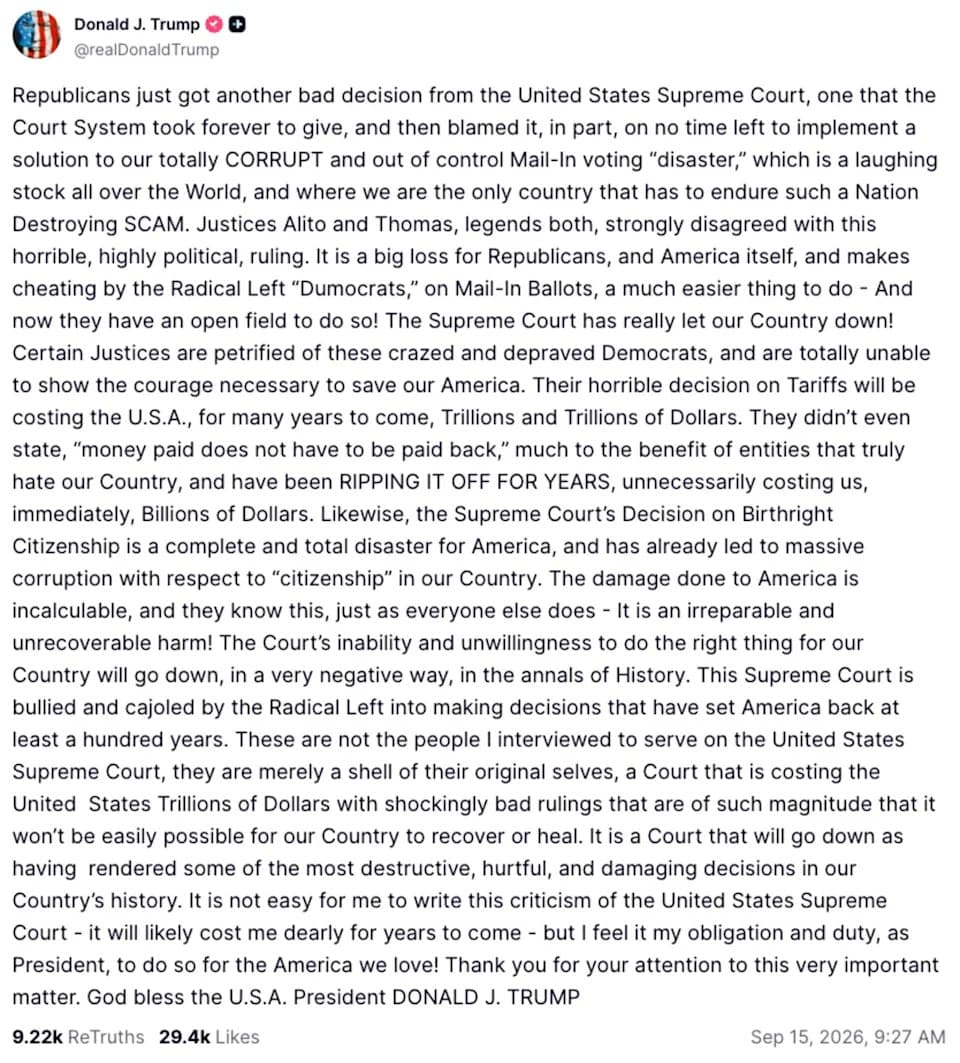
Summary: Donald Trump’s recent public suggestion that Supreme Court justices he appointed should show loyalty to him underscores how behavior that once provoked widespread outrage is now more readily tolerated. Although the Supreme Court is not an investigating body like the FBI, asking for allegiance from three of nine justices raises serious concerns about judicial independence. Years of escalating provocations, ethics disputes and politicized actions have normalized once-scandalous conduct, even if the justices themselves may resist such pressure.
Trump’s Public Plea for Loyalty From His Supreme Court Picks Highlights Erosion of Norms
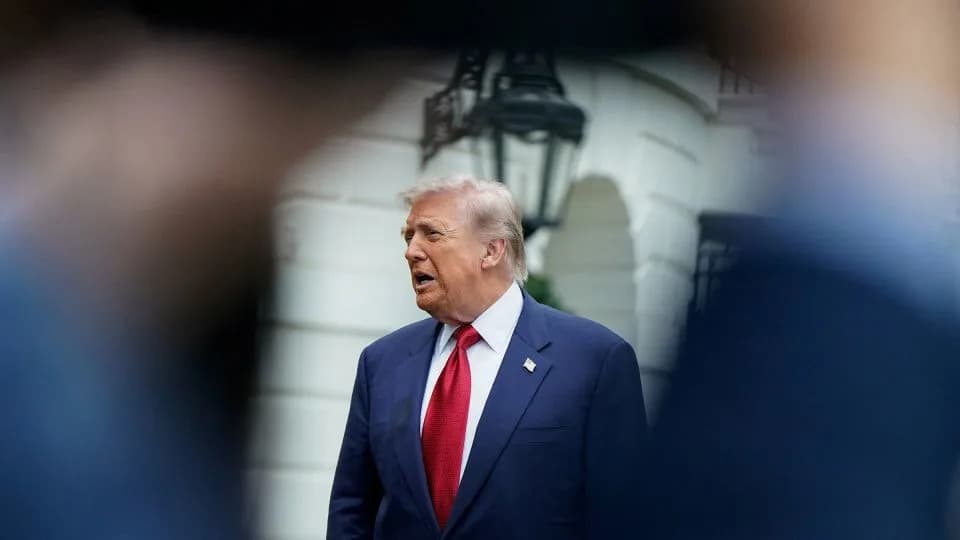
President Donald Trump talks to reporters at the White House on May 8. - Elizabeth Frantz/Reuters
One of the earliest controversies of Donald Trump’s first term came when fired FBI Director James Comey testified that the president had demanded his loyalty. That episode alarmed many because FBI directors are expected to be independent, and Comey was overseeing an investigation that touched on the president.
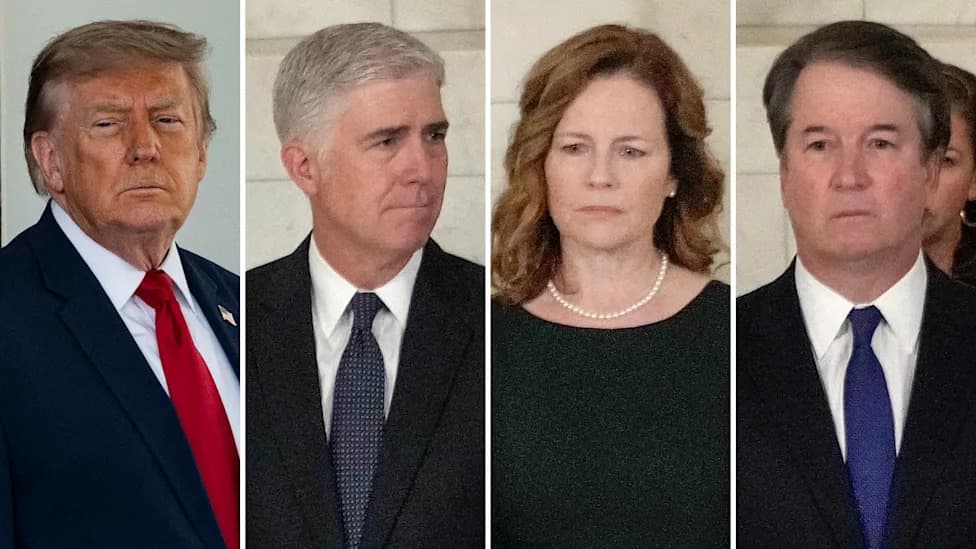
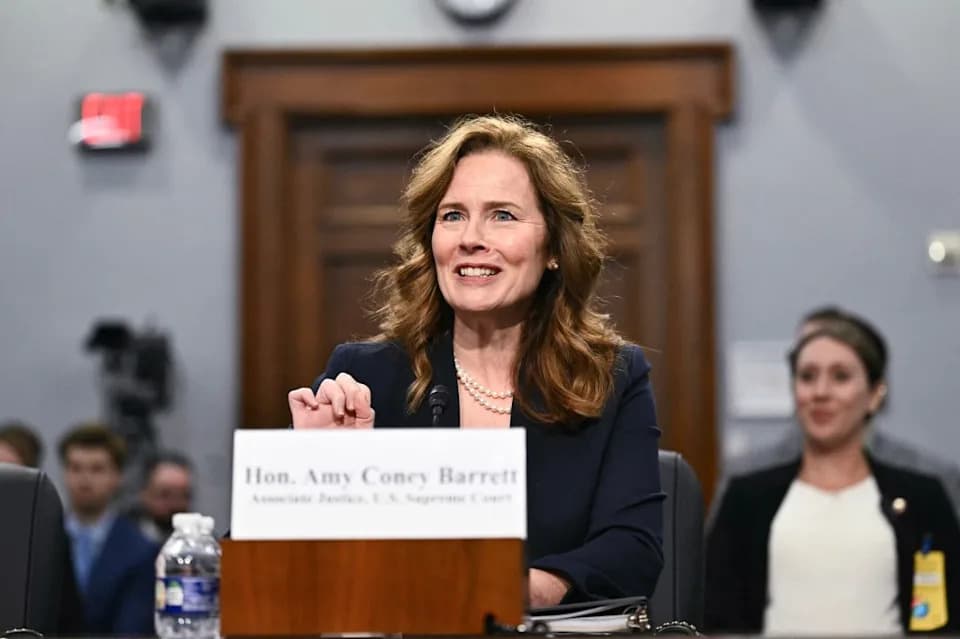
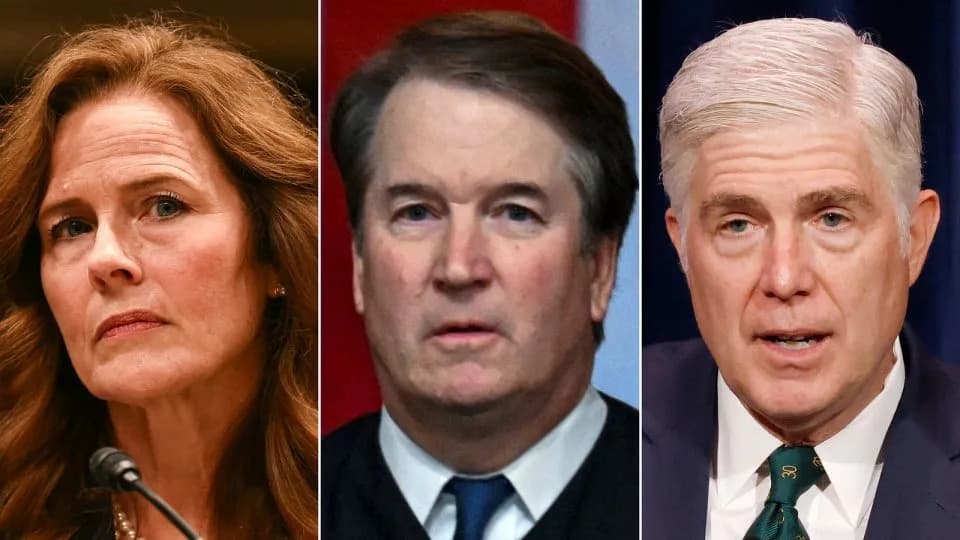
Nearly a decade later, Trump again publicly suggested that Supreme Court justices he appointed should be more loyal to him. He made the comment in a social media post lamenting recent rulings by some of his own appointees on tariff cases, and he repeatedly named Justices Neil Gorsuch and Amy Coney Barrett.
Why This Matters
Publicly urging loyalty from Supreme Court justices raises acute concerns about judicial independence. Unlike an FBI director, who oversees investigations, justices decide high-stakes constitutional and statutory questions that can determine the fate of major policies — and in some cases, issues touching on a president’s personal liability. That makes any attempt to influence them especially consequential.
A Shift in How These Demands Land
What would once have provoked a major backlash now registers with far less intensity. Over the past nine years, a pattern of increasingly bold actions and rhetoric has worn down the threshold for outrage: politically charged investigations, ethics controversies tied to emoluments and private interests, mass firings of inspectors general, a surge in politically oriented pardons, and inflammatory rhetoric on immigration and foreign countries. Together, these moves have helped make previously unthinkable conduct feel more routine to some audiences.
Not Identical But Deeply Concerning
The situations are not exact parallels. The Supreme Court is not conducting a criminal probe the way the FBI once did, and justices are lifetime appointees required to safeguard their impartiality. Still, seeking loyalty from three of nine justices is significant: those votes can decide landmark cases and shape legal doctrine for decades. It’s also possible the justices will push back — not out of fealty to the president, but to defend the court’s appearance of independence.
What Comes Next
Whether this public appeal changes judicial behavior is uncertain. But the broader pattern is clear: repeated transgressions and routine amplification of provocative behavior have reduced the shock value of actions that previously sparked sustained scrutiny. That trend — more than any single social-media post — poses a long-term challenge to the norms that protect the separation of powers.
Key quote: In 2017, Comey testified that Mr. Trump had said, "I need loyalty, I expect loyalty." Today, similar calls for loyalty from public officers are voiced more openly and win less immediate rebuke.
As debates about judicial independence continue, the political and legal consequences of publicly pressing the court for loyalty remain an important issue for voters, lawmakers and legal scholars.
Help us improve.