The discovery of a vast, Jurassic-age block of crust called the Piedmont Resistor beneath the eastern U.S. could greatly amplify the effects of geomagnetic storms by redirecting induced electrical currents upward toward infrastructure. Mapped with a 1,800-station Magnetotelluric Array, the feature runs from Maine to Georgia and formed about 200 million years ago. Scientists warn this geology could concentrate currents near transformers and substations, increasing the risk of widespread, prolonged outages, yet many utilities have not yet adopted updated hazard maps.
Hidden Jurassic-Age 'Piedmont Resistor' Under Eastern US Could Greatly Amplify Solar Storm Damage
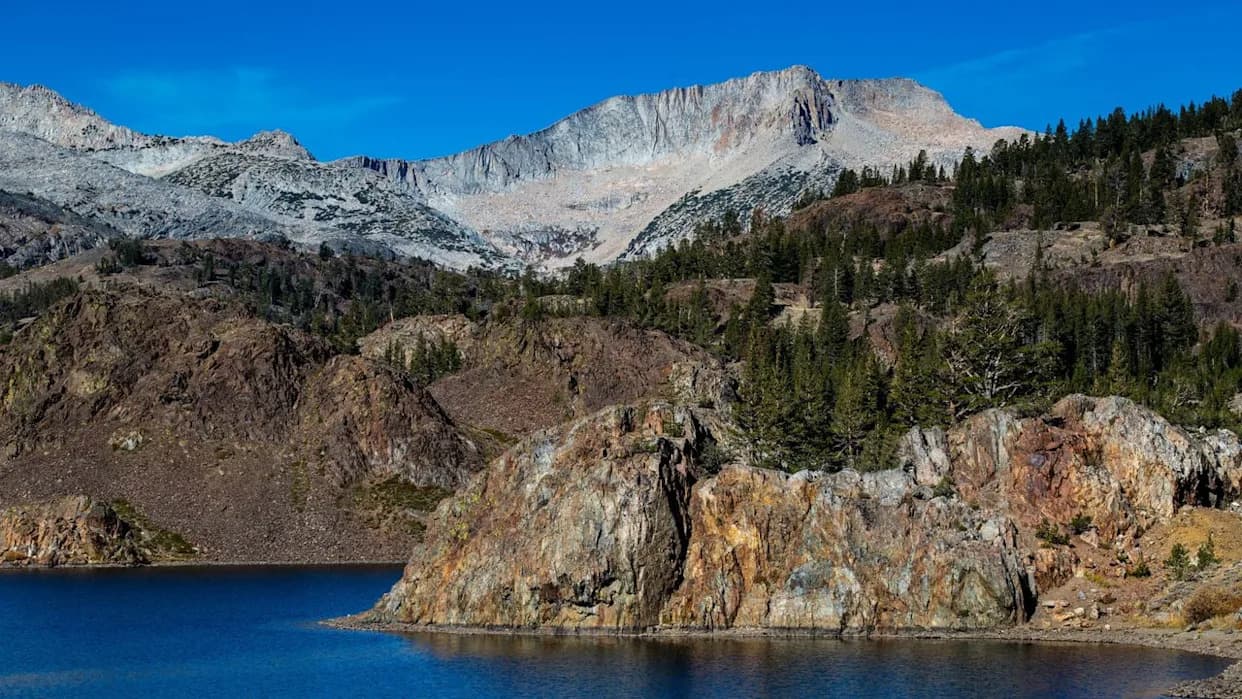
Scientists have identified a vast, ancient block of crust buried beneath the eastern United States that could dramatically increase the damage caused by future solar storms. Nicknamed the Piedmont Resistor, this Jurassic-era feature runs roughly from Maine to Georgia and is estimated to be on the order of 200 kilometers thick.
What Is the Piedmont Resistor?
The Piedmont Resistor is a deep-seated block of igneous crust formed about 200 million years ago during the breakup of the supercontinent Pangaea. Over time it became buried beneath sediments eroded from mountain belts, hiding it from conventional seismic imaging.
How It Was Mapped
The structure was revealed by a Magnetotelluric Array funded by the National Science Foundation. Researchers deployed about 1,800 temporary stations across the United States to measure how deep rocks conduct electricity by detecting currents induced by changing magnetic fields in Earth’s upper atmosphere. According to Paul Bedrosian, a geophysicist at the U.S. Geological Survey, this electrical mapping exposed subsurface features that seismic surveys had missed.
Why It Matters For Solar Storms
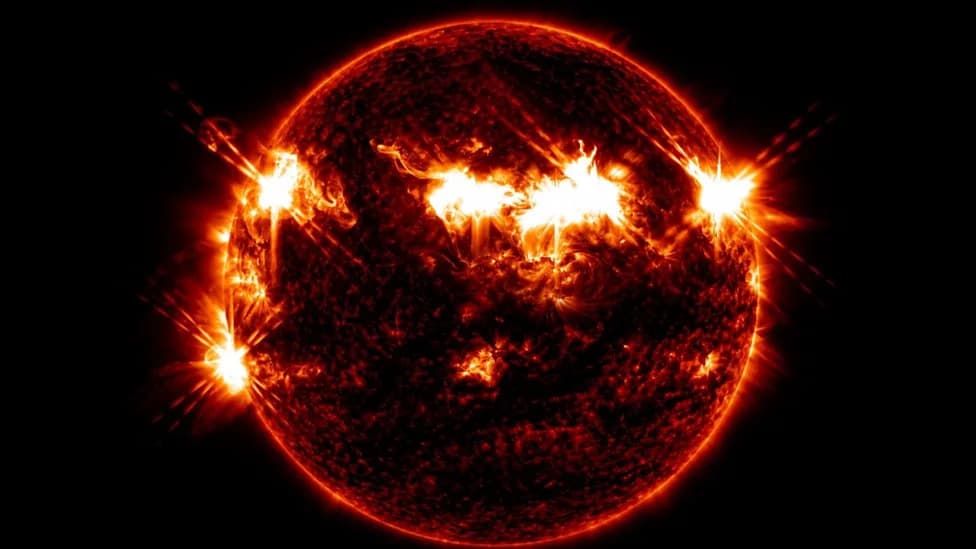
When a strong solar storm disturbs Earth's magnetosphere, it induces geomagnetically induced currents (GICs) in the ground. In many regions these currents spread laterally and dissipate harmlessly. The Piedmont Resistor, however, appears to resist lateral flow and redirect those currents upward into shallower rock layers.
Anna Kelbert, a geophysicist at the Center for Astrophysics, warns that this concentration of electrical flow could make solar-storm impacts far worse in affected areas—potentially increasing local impacts by orders of magnitude compared with regions without similar geology.
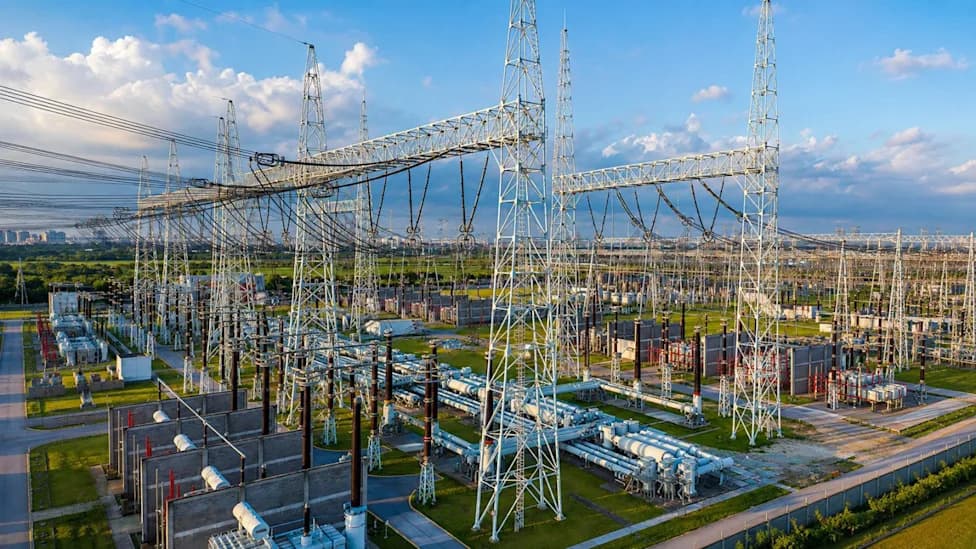
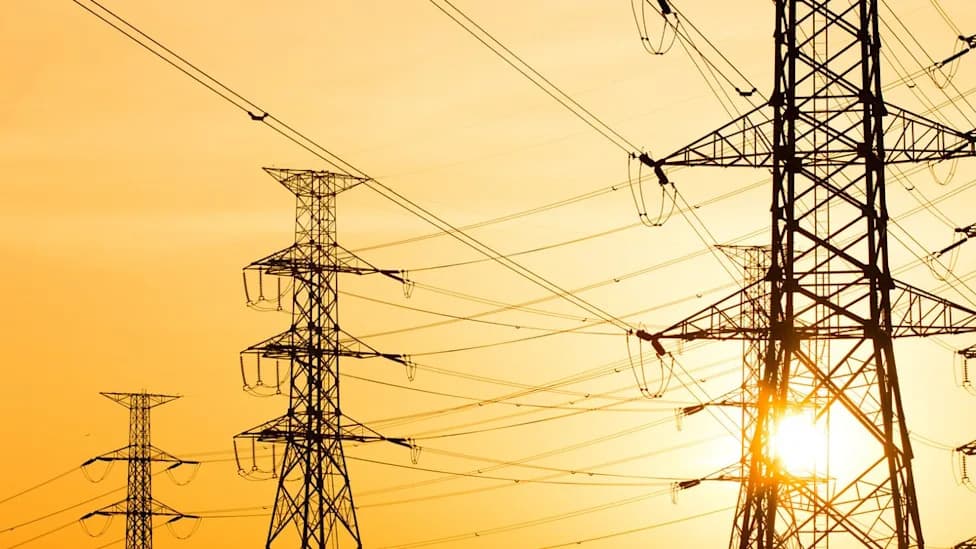
That upward focusing of current brings GICs closer to transformers, substations, and other critical grid equipment. A sufficiently severe storm could therefore increase the risk of transformer damage and sustained power outages across large parts of the eastern United States.
Broader Consequences
Modern data centers, water and fuel distribution systems, and emergency services all rely on stable electricity. Widespread transformer damage could not only cut power for days or weeks but could also hinder backup systems and fuel supply chains that depend on the same electrical infrastructure.
Policy And Preparedness
Federal hazard maps have been updated to reflect this geological risk, but researchers say many utilities have not yet incorporated the new data into planning. Kelbert and others warn that without coordinated action—such as updated vulnerability assessments, targeted hardening of at-risk equipment, and regulatory incentives—regions above the Piedmont Resistor could face substantially higher risk from future space weather events.
The geology itself is permanent; the remaining question is whether utilities and policymakers will act before the next major solar storm arrives.
Source: Magnetotelluric Array mapping funded by the U.S. National Science Foundation; quotes from USGS and Center for Astrophysics researchers.
Help us improve.