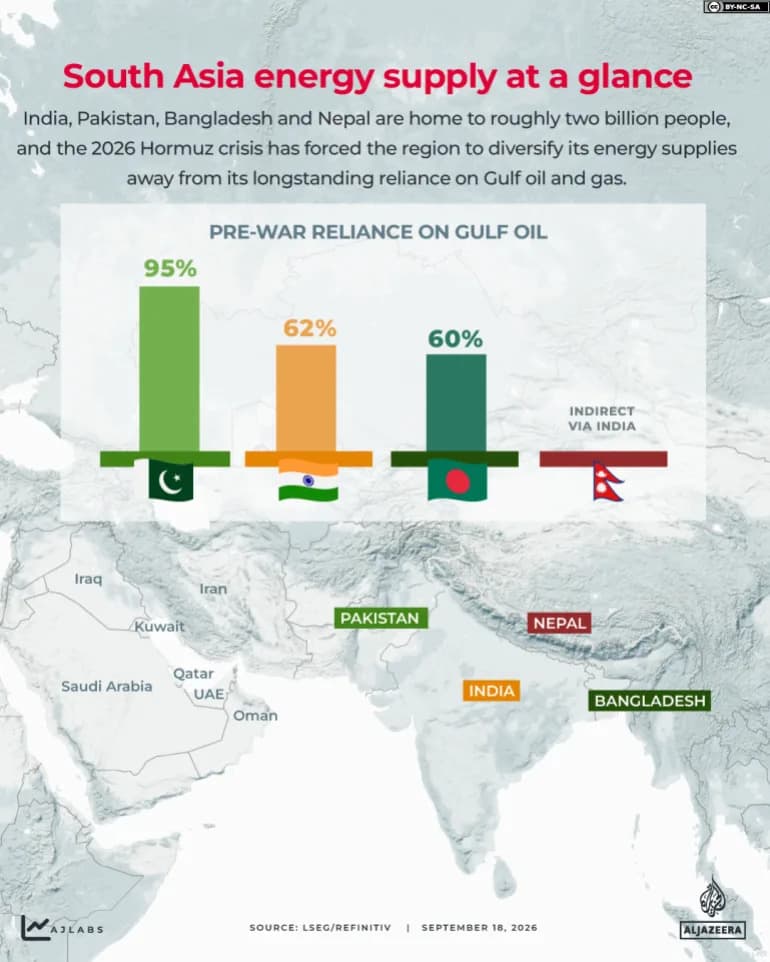
The conflict involving Iran has disrupted fuel imports to Bangladesh, causing long queues, reduced working hours and higher costs for households and industry. The government has increased imports, sought supplies from India and introduced austerity measures including fuel rationing and temporary factory closures. Economic forecasts have been revised down: the Asian Development Bank projects 4.7% growth in 2026, while the World Bank expects Bangladesh’s growth to slow to 3.9% for the fiscal year ending June 2026.
Iran Conflict Triggers Fuel Shortages in Bangladesh, Cutting Incomes and Threatening Garment Exports
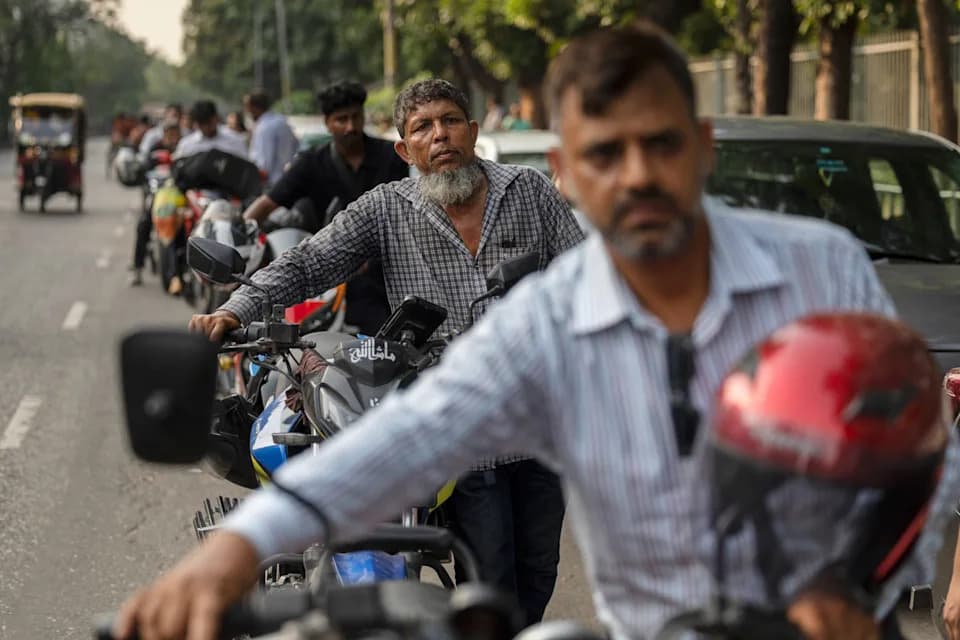
Tariqul Islam, a ride-share driver, waits in a long queue of petrol for his motorcycle in Dhaka, Bangladesh, Tuesday, April 23, 2026. (AP Photo/Abdul Goni)(ASSOCIATED PRESS)
Tariqul Islam, 53, lost his savings after setbacks in his clothing business about a year and a half ago and turned to ride‑sharing on his motorbike to support his family. Until recently, he spent long hours queuing for fuel as supply disruptions linked to the conflict in Iran rippled into Bangladesh.
Daily Life and Livelihoods Strained
The father of four says long waits for petrol have sharply reduced his working hours and income, making it increasingly difficult to pay for university and college fees for his children and to cover everyday costs in Dhaka. "My family was managing fairly well through ride‑sharing," he said. "But after the fuel shortage began, I would buy fuel one day and run the bike for two days. As a result, I had to sit idle for one day, which reduced my income."
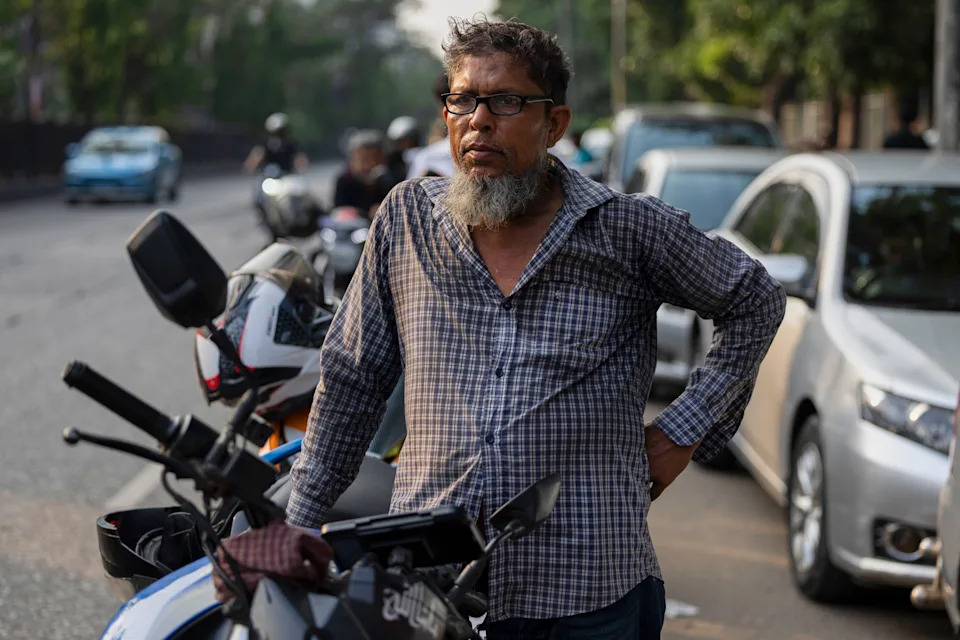
Tariqul Islam, a ride-share driver, waits in a long queue of petrol for his motorcycle in Dhaka, Bangladesh, Tuesday, April 23, 2026. (AP Photo/Abdul Goni)(ASSOCIATED PRESS)
Wider Economic Impact
Islam’s experience reflects a broader squeeze in Bangladesh, which relies heavily on imported fuel. Energy shortages have disrupted daily life, slowed industrial output and raised concerns about economic growth as global tensions push up prices and strain supplies.
Regional Vulnerability
Across Asia, governments face similar pressure as war‑driven spikes in energy prices unsettle economies dependent on foreign oil and gas. Much of the region’s fuel transits the Strait of Hormuz, a key chokepoint that handles about one‑fifth of global oil and natural gas trade.

Alvi Islam, director of Arrival Fashion Limited, talks to The Associated Press, in Dhaka, Bangladesh, Tuesday, April 28, 2026. (AP Photo/Abdul Goni)(ASSOCIATED PRESS)
Fiscal and Growth Risks
The Asian Development Bank in late April trimmed growth forecasts for developing Asia and the Pacific, projecting 4.7% growth in 2026 and warning that energy disruptions tied to the Middle East conflict could push up inflation. The World Bank, meanwhile, expects Bangladesh’s growth to slow to 3.9% in the fiscal year ending June 2026 and cautioned that a prolonged conflict could widen the current‑account deficit and increase pressure on public finances through higher energy subsidies.
Officials estimate the government could spend an additional $1.07 billion on LNG subsidies in the April–June quarter if global prices remain elevated.
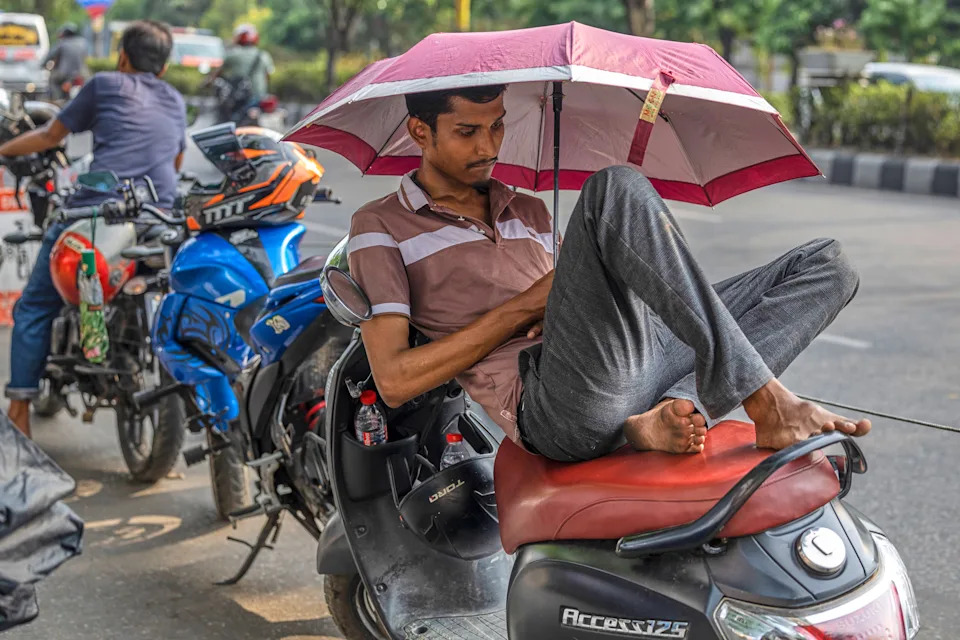
A motorcyclist rests under an umbrella while waiting in line for fuel at a petrol station in Dhaka, Bangladesh, Thursday, April 23, 2026. (AP Photo/Abdul Goni)(ASSOCIATED PRESS)
Garment Sector Under Pressure
Business leaders warn the energy crunch is increasing production costs and threatening Bangladesh’s garment exports—the backbone of the economy. The country earns about $39 billion a year from the sector, which employs roughly 4 million people, mostly women from rural areas.
Anwar‑Ul Alam Chowdhury, president of the Bangladesh Chamber of Industries, said shipments to Europe and the U.S. have fallen between 5% and 13% in recent months and estimated factory output has declined by 30%–40% for various reasons. He warned that prolonged supply problems could erode buyers’ confidence and boost competitors such as India, Vietnam and Cambodia.
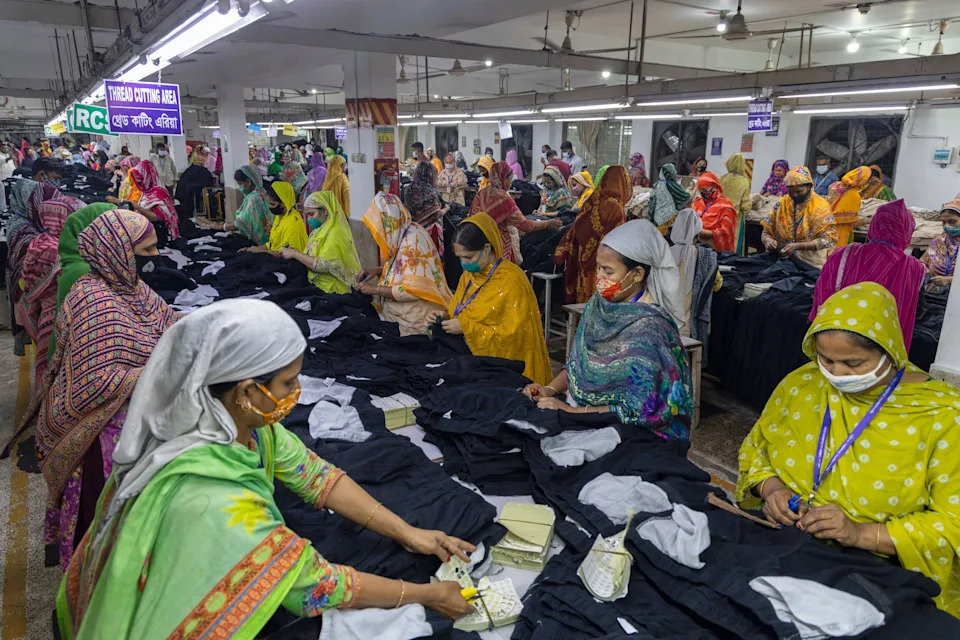
Women workers assemble apparel at a garment factory in Dhaka, Bangladesh, Tuesday, April 28, 2026. (AP Photo/Abdul Goni)(ASSOCIATED PRESS)
Manufacturers face higher prices for petroleum‑based inputs—sewing thread, poly bags and cartons—and increased reliance on diesel generators. Alvi Islam, director of Arrival Fashion Limited, said his company, which exports about $40 million annually, now runs generators at least four hours a day during production to cope with outages.
Government Response and Outlook
To shore up supplies, Bangladesh has sought fuel from neighboring India, which has diversified its own imports. Authorities have also imposed short‑term austerity measures: temporary fertilizer factory shutdowns to divert gas to power plants, restricted shopping hours, fuel rationing and more frequent power cuts in industrial areas.
“Millions of people depend on this industry. It is how we survive,” said garment worker Mosammet Runa, 35, who with her husband earns about $400 a month to support a family of six. She called for an end to the fighting, saying ordinary people should not become victims of the conflict.
Conditions have eased slightly with shorter queues at stations after the government increased supplies, but businesses and households remain vulnerable if the conflict and global energy price volatility persist.
Help us improve.