Scientists surveying Argentine waters discovered a vast cold‑water coral system about 3,300 feet deep that may be among the world's largest. First recorded in July 2025 and spanning roughly 560 miles, the reef is dominated by the rare Bathelia candida and hosts abundant life, including about 40 species possibly new to science. Teams documented fishing debris and suspected trawling damage, and researchers warn of future oil and gas threats while testing restoration methods such as engineered substrate and 3D‑printed artificial corals.
Massive Cold‑Water Coral Reef Discovered Off Argentina — One of the Largest Known
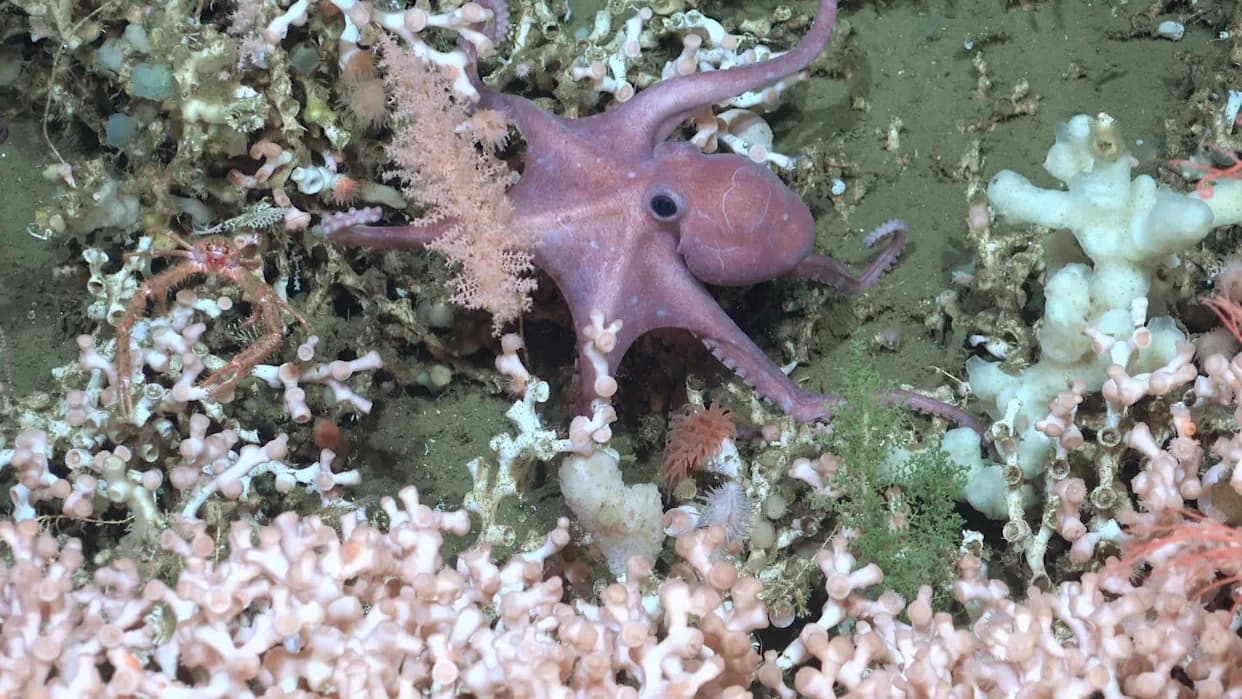
Image© 2025 byROV SuBastian / Schmidt Ocean Instituteis licensed underCC BY-NC-SA 4.0
Researchers have identified a vast cold‑water coral system roughly 3,300 feet (1,000 meters) below the ocean surface off Argentina that could rank among the largest such reefs on Earth.
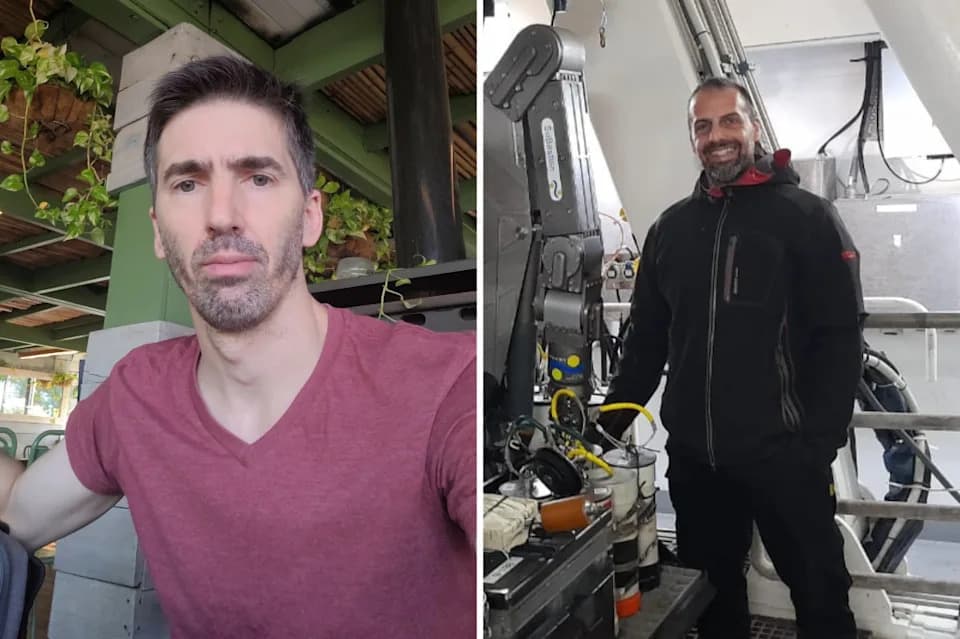
The previously undocumented formation was first recorded in July 2025 and spans an area estimated at about 560 miles (900 kilometers) along the seabed. Biologist Erik Cordes and his team encountered the reef during two research voyages aboard the R/V Falkor (too) in 2025 and again in early 2026. Scientists are still assessing whether the observations represent a single continuous reef or a chain of linked reef systems.
“It still amazes me when we can discover something this size still on our planet,” Cordes said. “It goes to show you how much more mapping there is to be done.”
A Unique Deep‑Sea Community
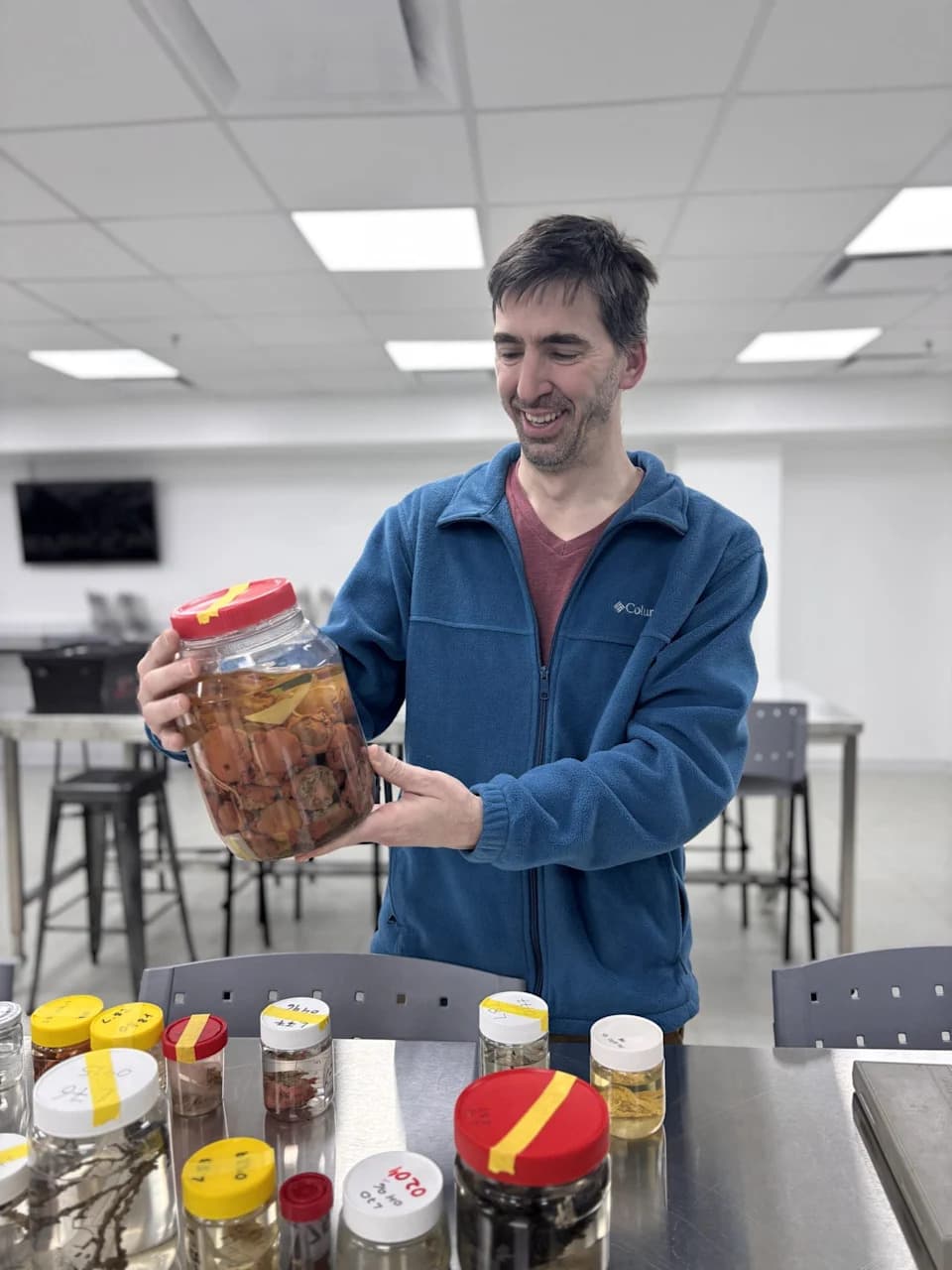
Unlike many Atlantic cold‑water reefs, this system is dominated by the rare coral Bathelia candida rather than the more typical Lophelia pertusa. The team reported a rich assemblage of life: glass squid, brittle stars, squat lobsters and roughly 40 deep‑sea species that may be new to science, highlighting unusually high biodiversity for this depth.
“I would say that it is one of the most vibrant and lush environments in the deep sea that I've ever seen,” deep‑sea biologist Santiago Herrera told Mongabay.
Ecological and Human Importance
Cold‑water reefs like this one play critical roles in nutrient cycling (including carbon and nitrogen), oxygen generation, and providing habitat for species linked to commercial fisheries. Protecting these habitats supports food security and the livelihoods of coastal communities that depend on healthy ocean ecosystems.
Signs of Damage and Ongoing Threats
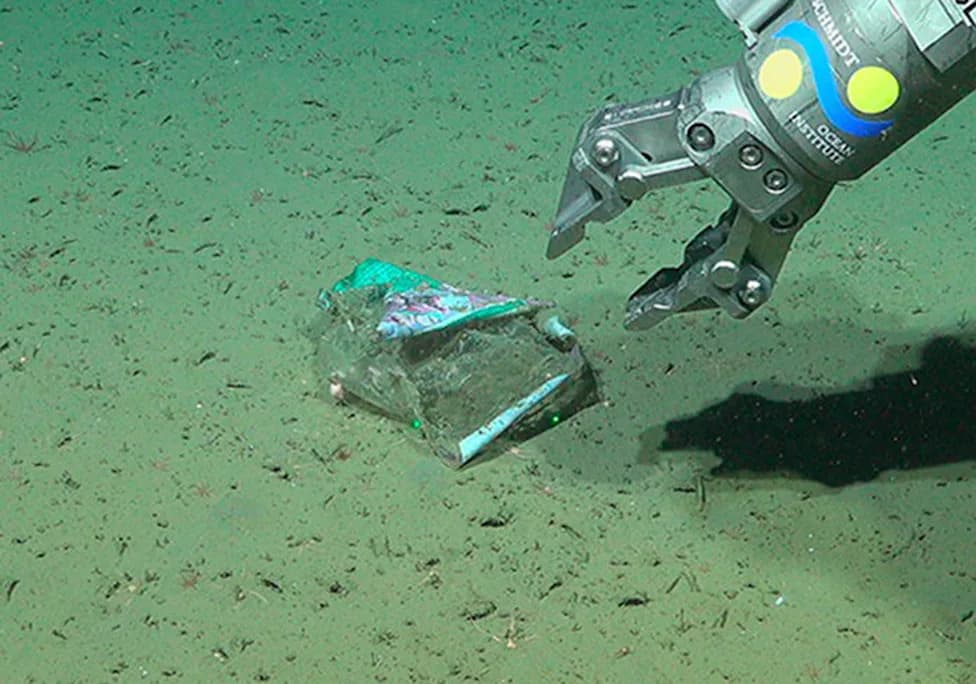
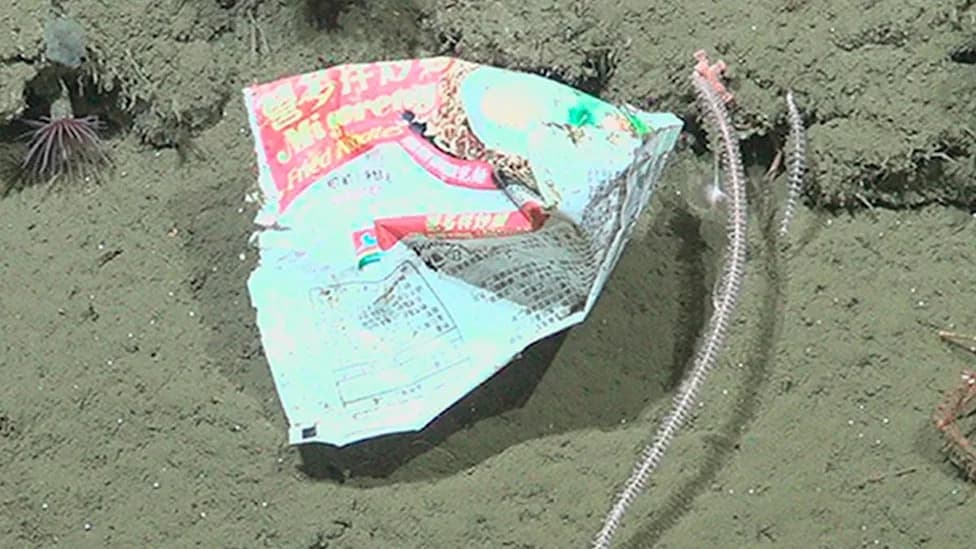
Despite its remote location, the reef already shows human impacts: fishing lines and other debris were found entangled in coral, and scientists documented large‑scale damage that may be consistent with bottom trawling. The team also raised concerns that the area could be targeted for future oil and gas exploration, which would heighten the risk of long‑term harm.
Restoration Trials and Conservation Outlook
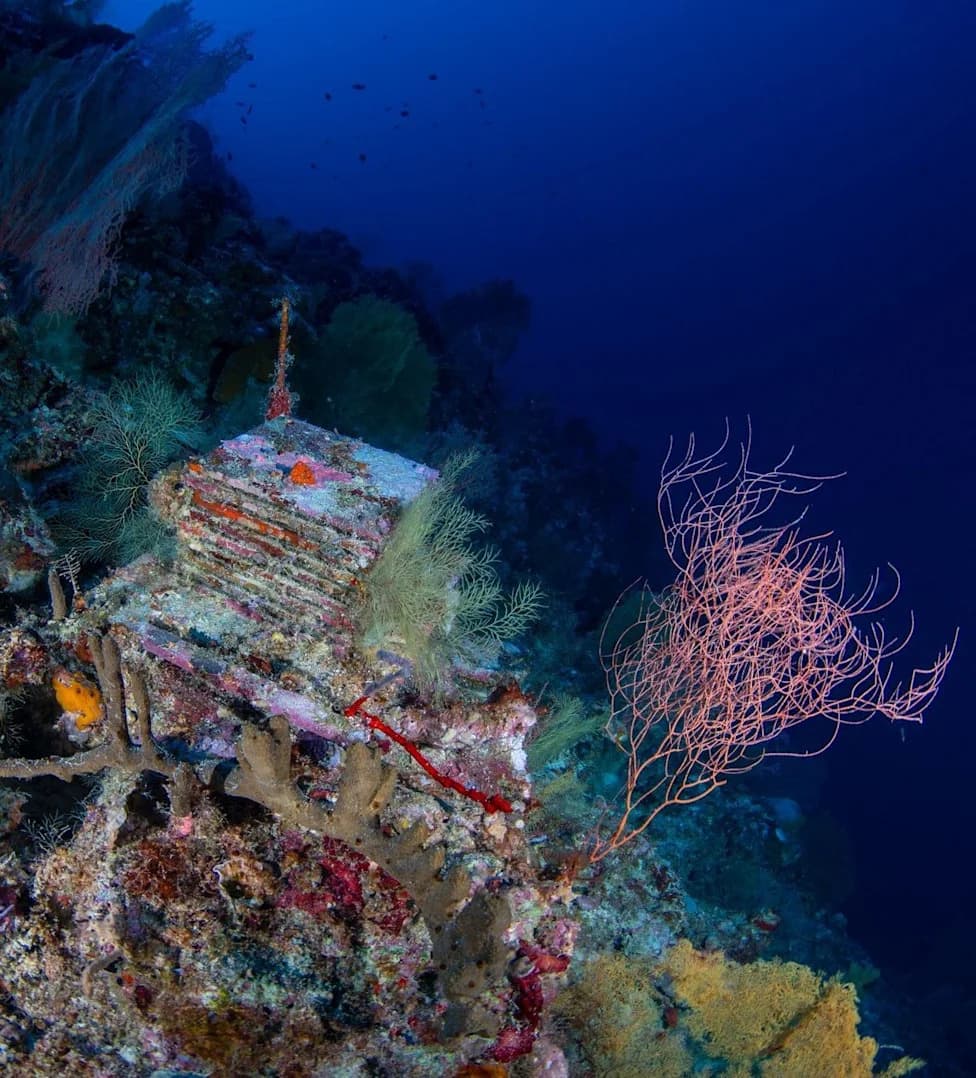
Because these coral mounds can take thousands to millions of years to form, damage is effectively irreversible on human timescales. Researchers are adapting techniques from shallow reef restoration — installing engineered substrate to which coral larvae can attach and deploying 3D‑printed artificial corals made from cement mixed with crushed coral — to see whether they can accelerate recovery and attract marine life back to damaged zones.
“If we understand where these things are, and how fragile or resilient they are, we can plan industrial activities more efficiently and avoid harming ecosystems we rely on,” Cordes concluded.
The discovery underscores how much remains unmapped on the seafloor and strengthens the case for precautionary protection and careful management of deep‑sea habitats. Initial findings were reported by Mongabay and come from ongoing analyses of the R/V Falkor (too) expeditions.
Help us improve.