Soldiers aligned with Yemen's internationally recognised government have faced repeated months-long salary delays, forcing many to borrow and straining military morale. Regular army pay ranges from 60,000 to 180,000 riyals ($38–$116), while some irregular formations reportedly pay up to about $320 a month. Budget shortfalls, distribution problems and a collapsing rial have contributed to arrears, prompting concerns that troops may shift to better-paid groups and undermining local economies.
Yemen’s Government Soldiers Face Months-Long Pay Delays, Threatening Military Readiness
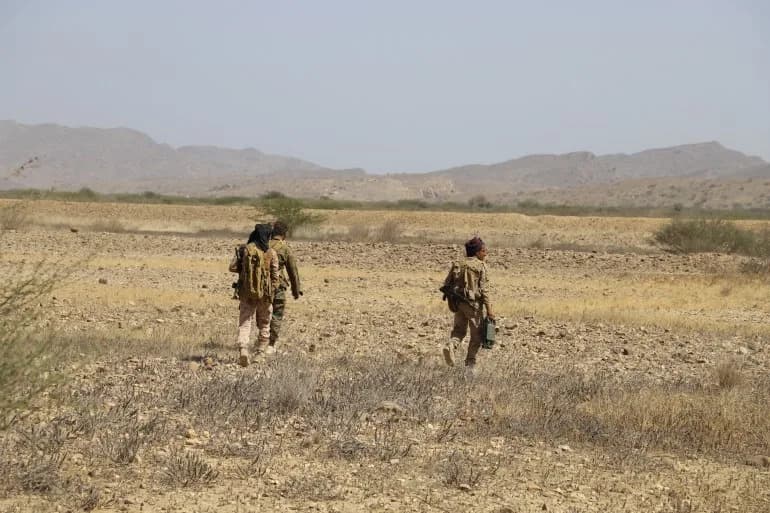
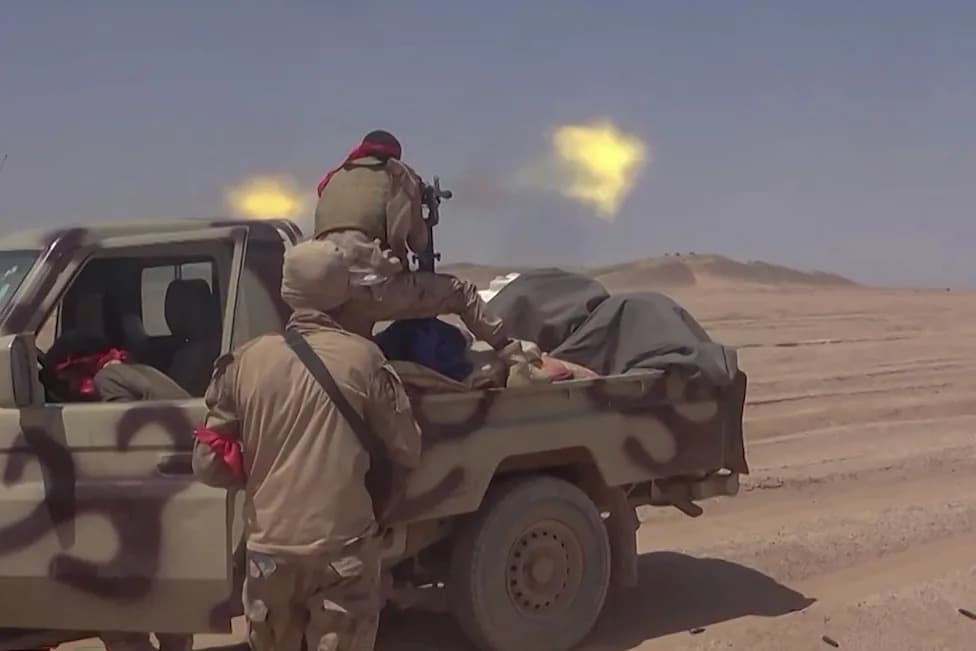
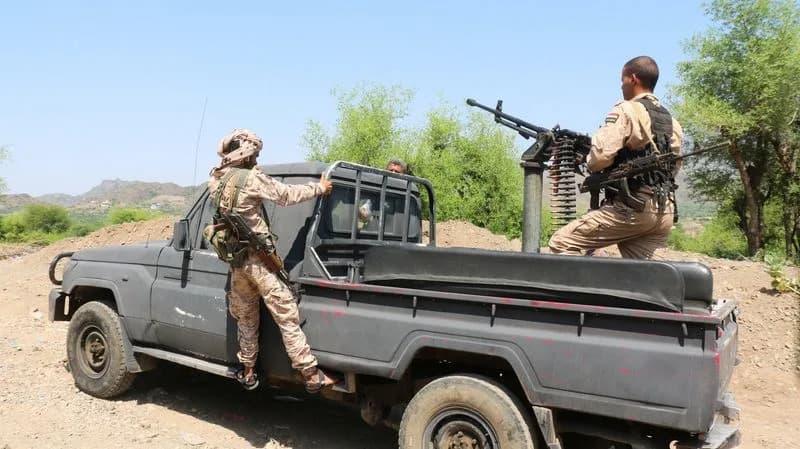
The Yemeni army has been engaged in a multi-front campaign during the war [Muhammed El-Wafi – Anadolu Agency]
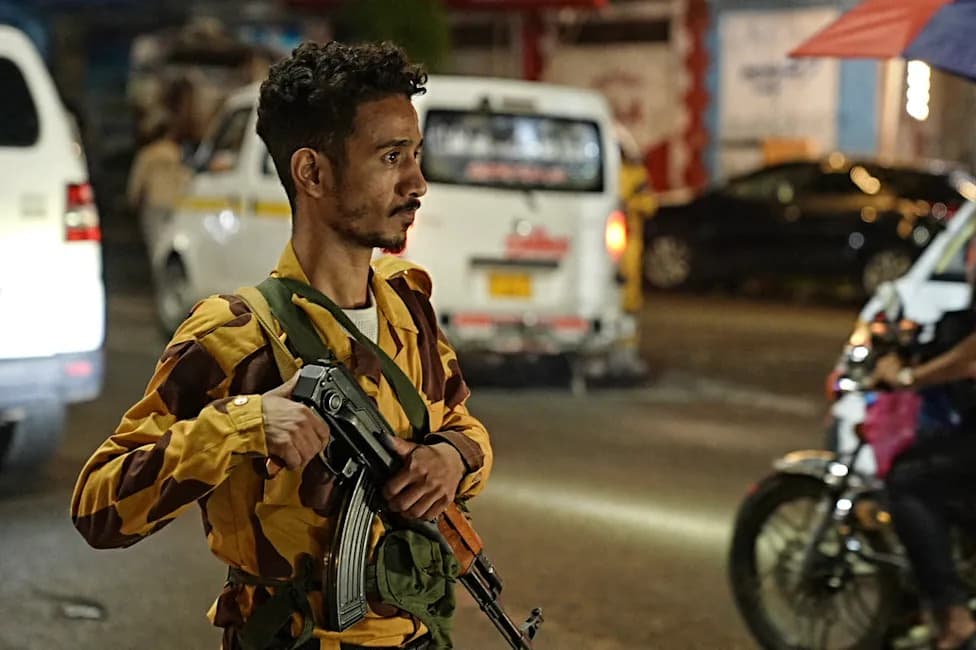
Marib, Yemen — Soldier Suleiman al-Hajj sits in a sparsely furnished duty room on the outskirts of Marib, repeatedly dialing contacts and sending messages as he searches for a loan after yet another army salary payment was postponed.
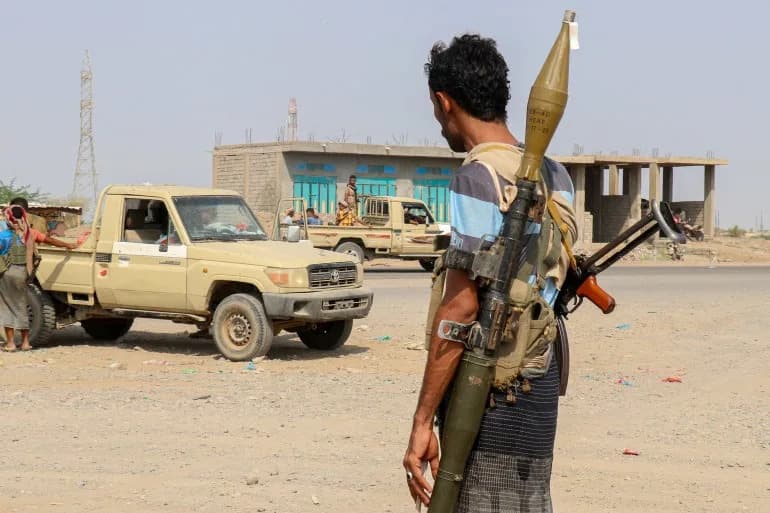
Delays in pay are widespread across forces aligned with Yemen's internationally recognised government, where battlefield pressures bleed into daily life and risk eroding the military's effectiveness.
Wages, Forces and Budgets
Regular army salaries range from 60,000 to 180,000 Yemeni riyals per month (about $38 to $116). One military source, speaking on condition of anonymity, estimated the formal army at roughly 180,000 to 220,000 personnel, but said only about 30–40% are deployed on front lines while the remainder perform support and guard duties.
The defence budget is said to be roughly 36 billion riyals per month (around $23.2 million), with approximately 17 billion riyals allocated to the Fourth Military Region based in Aden.
Promises, Arrears and Alternatives
An officer interviewed by Al Jazeera said his unit last received pay in December despite government promises that arrears would be cleared by Eid al-Adha. "We are soldiers of the state, and we do not know of any party responsible for securing our salaries other than the government, represented by the Ministry of Defence and the presidency of the General Staff," he said.
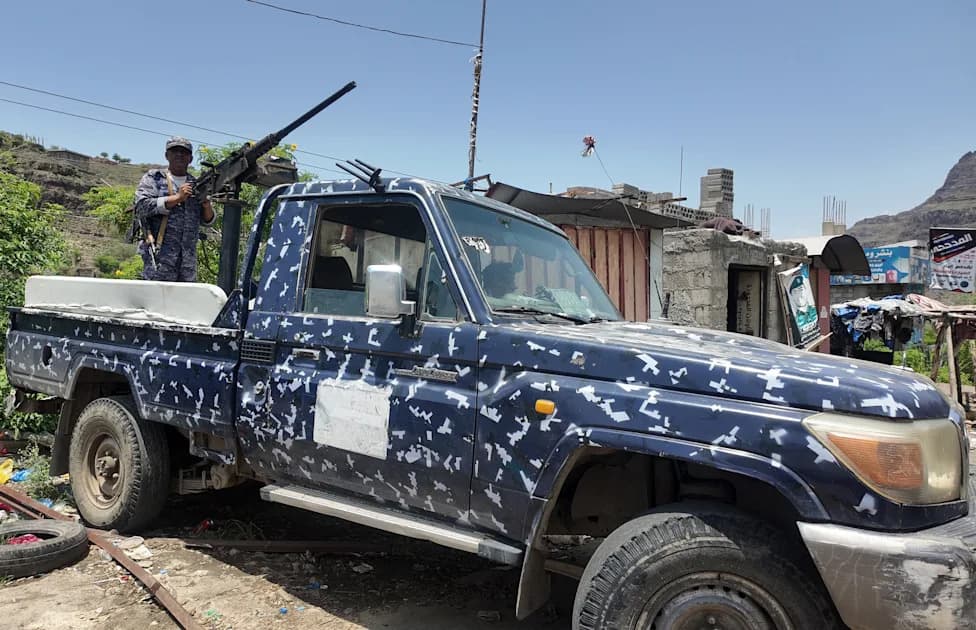
Beyond the regular army, a number of armed formations operating outside the formal Ministries of Defence and Interior reportedly pay higher and more regular wages. Officials estimate 120,000 to 150,000 fighters serve in groups such as the Security Belts, Elite Forces, Giants Brigades and National Resistance, with some fighters earning up to roughly $320 a month.
Consequences for the Front Line and Local Economies
Analysts warn that persistent arrears and unequal pay create incentives for soldiers to defect to better-compensated irregular units, draining the regular army of experienced personnel and potentially undermining discipline and cohesion.
“Prolonged delays are already forcing troops to seek alternative income and could weaken operational readiness,” said military affairs analyst Iyad al-Masqari.
Economic expert Mohammed al-Jamaei says the problem reflects deeper distribution issues within military financing and that soldiers forced to find other income may become distracted from duties. The wider economic crisis in Yemen — high unemployment and a collapsed rial — magnifies the effect: when wages do arrive, their purchasing power is far lower than before.
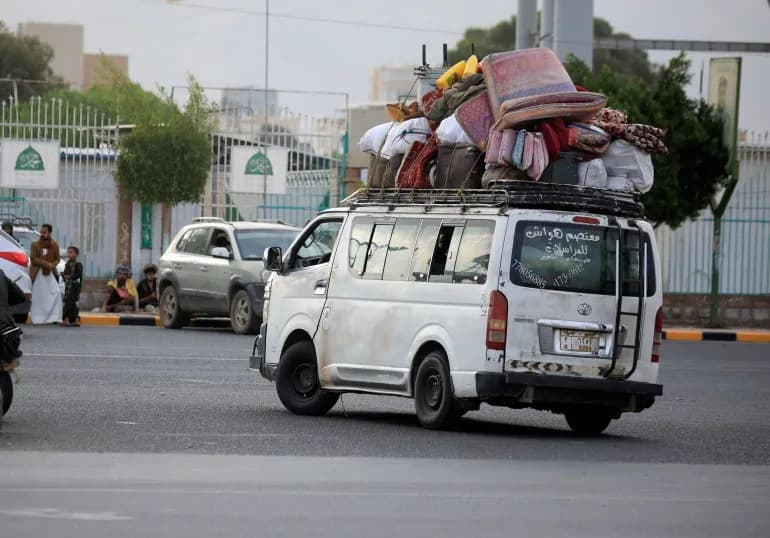
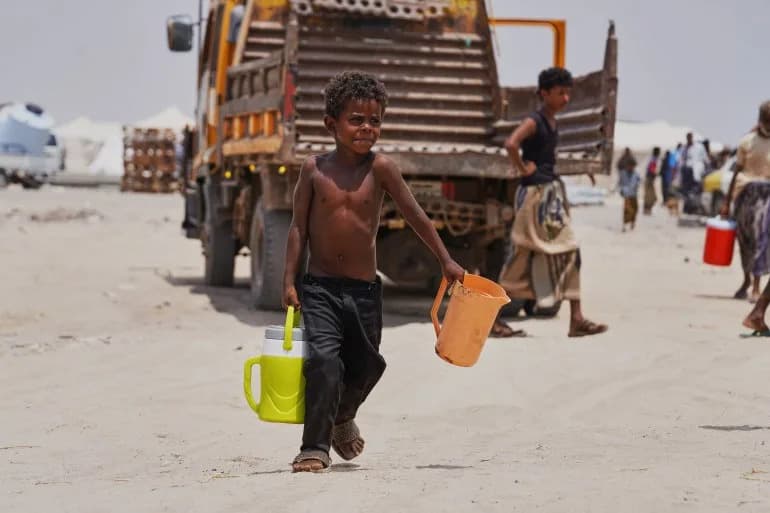
Local traders in Marib, Aden, Taiz and other cities depend on soldiers spending their monthly pay in markets and shops; late payments slow economic activity and further strain communities already suffering from the war.
Official Response
The Defence Ministry has acknowledged arrears and pointed to liquidity shortages, declining revenues and logistical complications in salary distribution. Officials say steps are underway to improve disbursement systems, but many troops remain sceptical and continue to wait for promised payments.
For now, soldiers in Marib and other front-line towns are battling not only on the battlefield but also against poverty — a dual strain that tests their ability to sustain operations over time.
Help us improve.