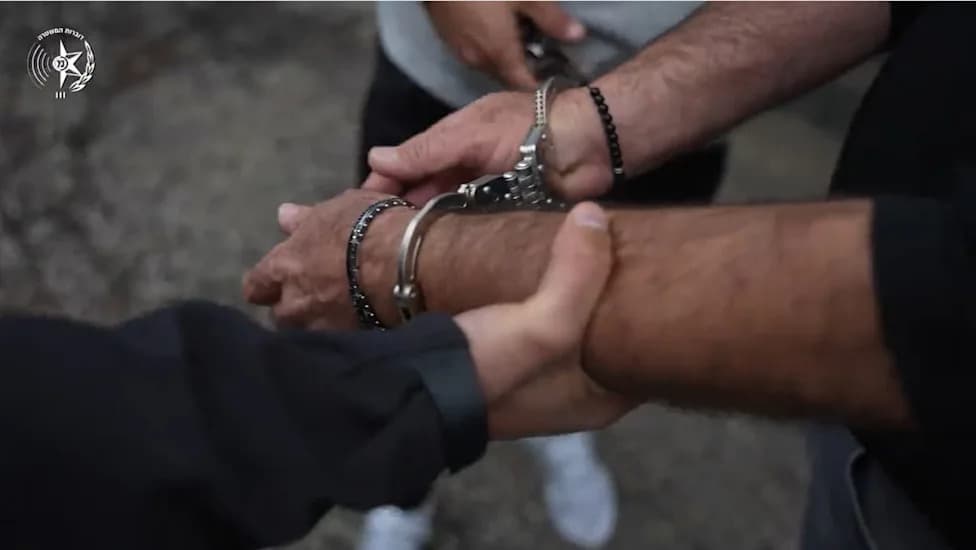
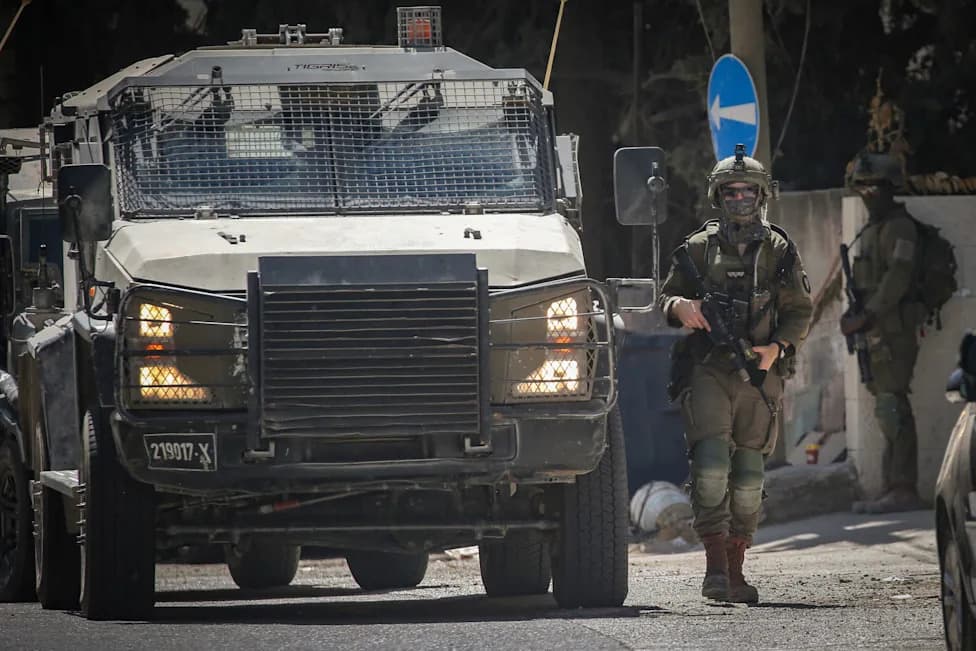
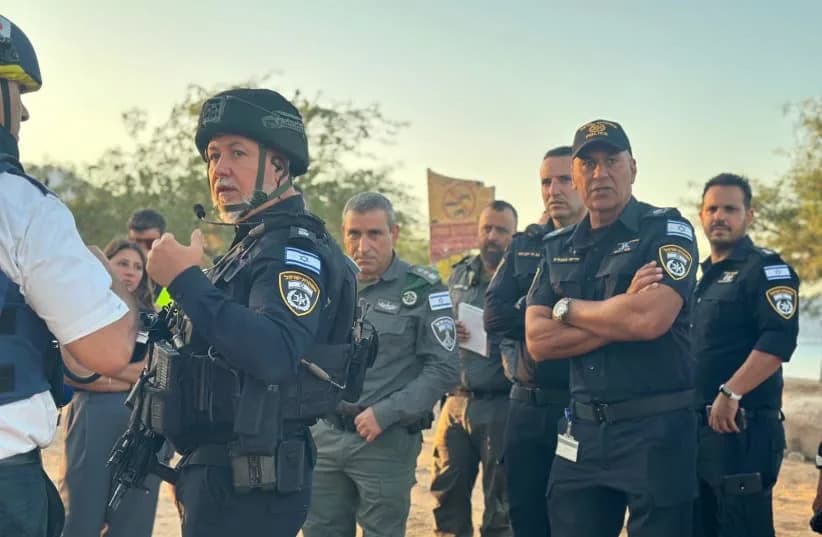
Israeli authorities say Iran has intensified efforts to recruit spies inside Israel’s military using WhatsApp, Facebook and blackmail obtained from pornography sites, along with emotional manipulation. Over the last 18 months more than 20 cases involving an estimated 40–50 suspects have been investigated; many remain in custody. Arrests include soldiers and civilians accused of photographing sensitive locations, transferring military documents and, in one case, manufacturing explosives. Israeli officials warn that even small payments can lead to severe espionage charges and long prison terms.
Israel Says Iran Used WhatsApp, Facebook and Blackmail to Recruit Military Spies — Latest Plot Foiled
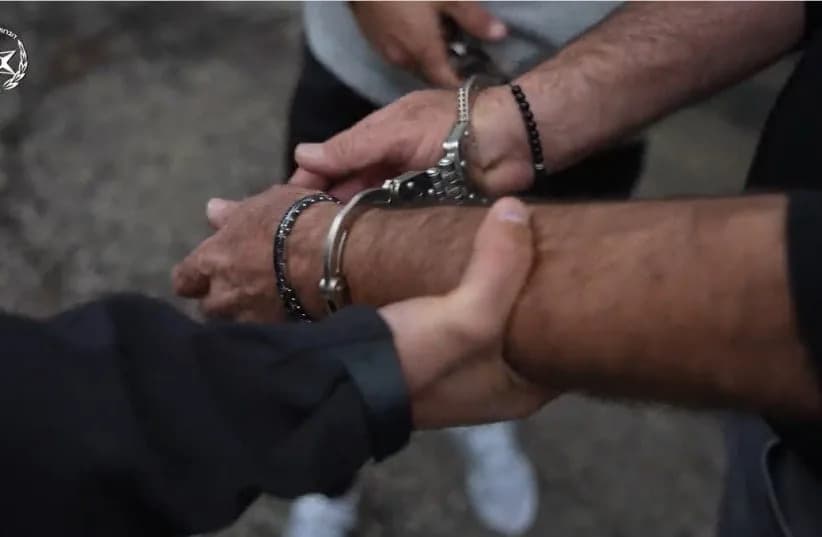
Israeli police say Iran using WhatsApp, Facebook, blackmail to recruit spies as latest attempt foiled
The recent arrests of two Israeli Air Force personnel on espionage charges have highlighted an expanding Iranian effort to recruit insiders within Israel’s military and security services.
Investigation and Scope
Over the past 18 months, Israeli police working with the Shin Bet (Israel Security Agency) have investigated more than 20 cases involving an estimated 40–50 suspects. Many remain in custody, and authorities believe additional suspects are still at large.
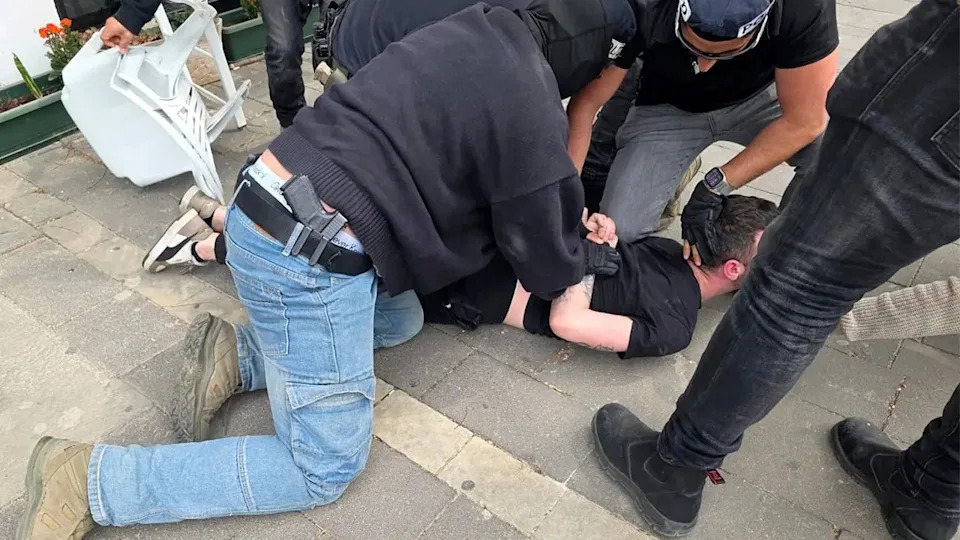
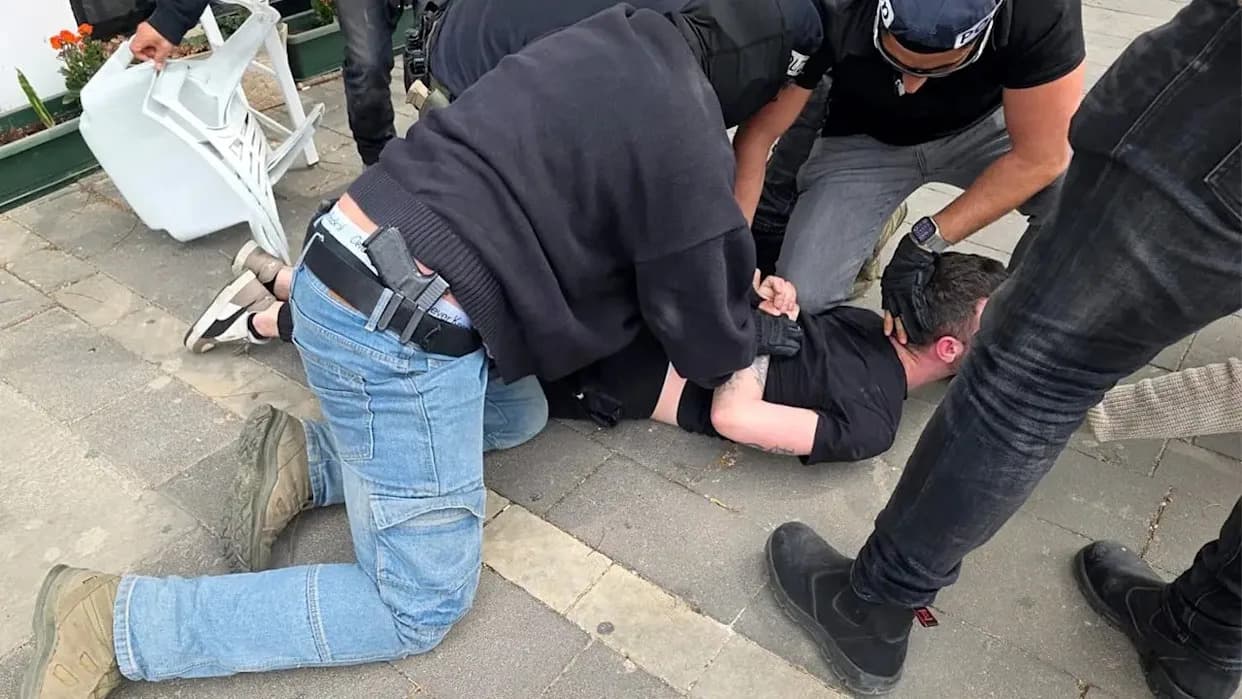
Ami Gaydarov was arrested on March 9 by Israeli authorities on suspicion of working with Iranian handlers to harm a high-ranking official.(Fox News)
How Recruiters Operate
Investigators say Iranian handlers used social media platforms such as WhatsApp and Facebook groups that Israelis use to look for freelance work to make initial contact. They also targeted pornography websites, allegedly obtaining compromising material to blackmail potential recruits. Emotional manipulation and gradual relationship-building were reported as core recruitment techniques.
Capt. Sefi Berger of the Israel Police’s Lahav International and Major Crimes Unit said: "People may think they will get rich, but the money is not life-changing. In one case last year involving two soldiers, one received just $21 and has been in prison for a year and a half."
Former Shin Bet handler Gonen Ben Itzhak — who has years of experience recruiting sources — described the process as slow and methodical: handlers cultivate trust, look for vulnerabilities and avoid candidates likely to draw suspicion. "The Iranians use social media — something we didn’t have in the same way — and it’s a powerful tool to identify potential motives," he told reporters.

Explosions from projectile interceptions by Israel's Iron Dome missile defence system over Tel Aviv.
Alleged Operations and Arrests
Prosecutors recently filed indictments against an Israeli civilian and three soldiers arrested in March. Authorities allege the defendants photographed and recorded locations such as train stations, shopping centers and security cameras, sent the material to handlers, and at one point were instructed to purchase weapons. Some suspects also allegedly transferred documents from the Air Force Technical School.
Other cases include the March arrest of 22-year-old Ami Gaydarov of Haifa, suspected of manufacturing explosives at the direction of an Iranian agent. Investigators also detained a man from Qalansawe who reportedly made contact with a handler after an introduction linked to the Al Jazeera network.
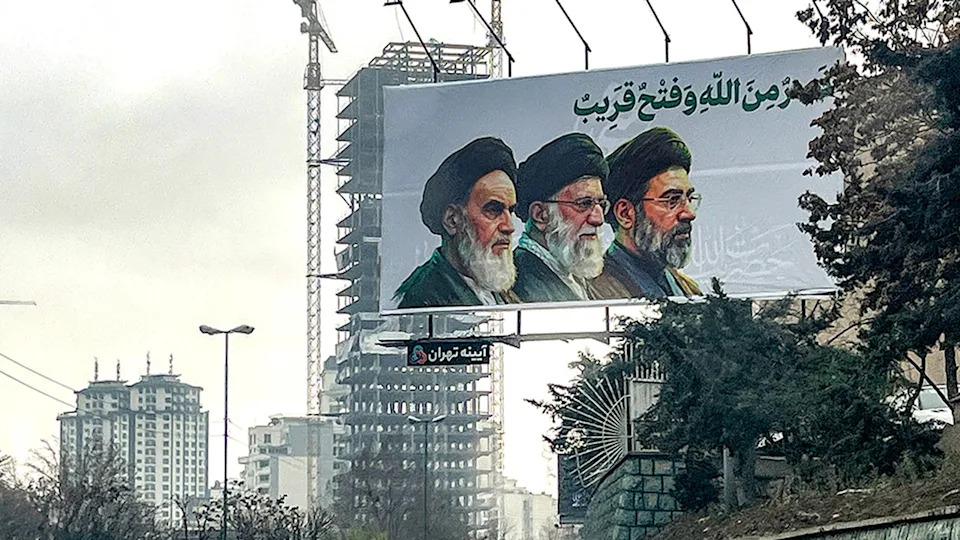
A billboard depicting Iran's supreme leaders since 1979, from left to right, Ayatollahs Ruhollah Khomeini (until 1989), Ali Khamenei (until 2026) and Mojtaba Khamenei (incumbent), is displayed above a highway in Tehran on March 10, 2026. Iran marked the appointment of Ayatollah Mojtaba Khamenei to replace his father as its supreme leader on March 9, 2026.
Payments to recruited assets have varied greatly. One network of seven suspects reportedly received about $300,000 collectively, while an Iron Dome reservist was allegedly paid $1,000 and another recruit reportedly received as little as $21.
Legal Consequences
Under Israeli law, contact with a foreign agent can carry up to 15 years in prison; providing intelligence can result in sentences of more than 10 years. Aiding the enemy during wartime carries a minimum sentence of life imprisonment and, in extreme cases, the death penalty.
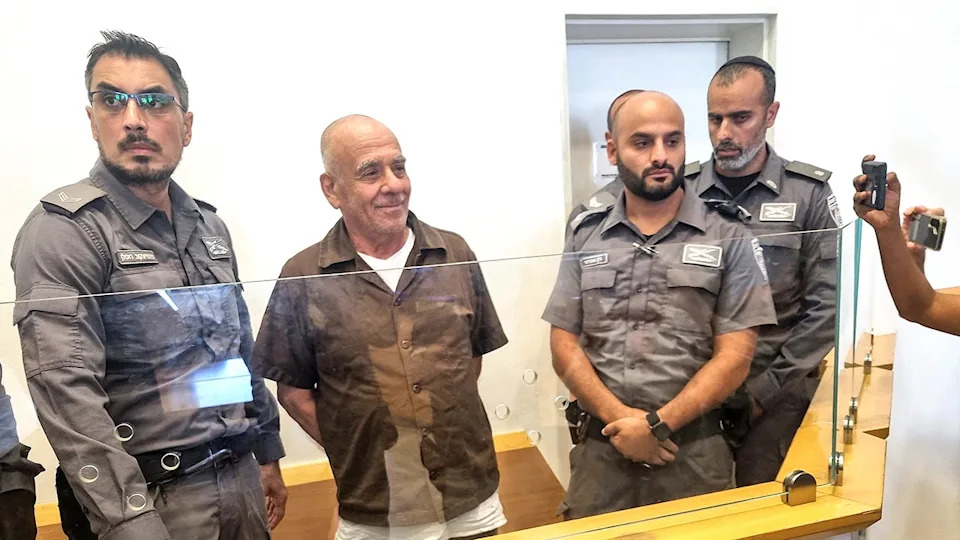
Israeli citizen Moti Maman stands in a courtroom after he was accused by Israeli security services of involvement in an Iranian-backed assassination plot targeting prominent people including Israeli Prime Minister Benjamin Netanyahu, in Beersheba District Court in southern Israel, Sept. 19, 2024.
Capt. Berger cautioned: "People unfamiliar with this world should not engage in it. Contact is an offense, providing information is an offense, and aiding the enemy is the most severe."
Assessment of the Threat
Former Mossad operative Gad Shimron said the recent incidents appear to have tactical impact rather than strategic damage so far, but warned against complacency: "One should never underestimate the enemy. I am sure they are investing a lot of effort and that they have some successes we don’t yet know of."
The investigations underline how state-backed intelligence services exploit modern communications, financial incentives and personal vulnerabilities to target military personnel and civilians. Authorities continue to urge vigilance and report any suspicious contact to security services.
Help us improve.