Singapore's Education Minister Desmond Lee confirmed that caning may be used as a last-resort disciplinary measure in schools under a new anti-bullying framework set for 2027. The rules require principal approval, authorised teachers, and say caning applies only to boys for serious offences after other measures fail. The policy has prompted international concern, particularly in light of a WHO report (August 2025) that warns corporal punishment can cause lasting harm and offers no benefits.
Singapore Says Caning May Be Used As Last-Resort Discipline In Schools; Framework To Roll Out From 2027
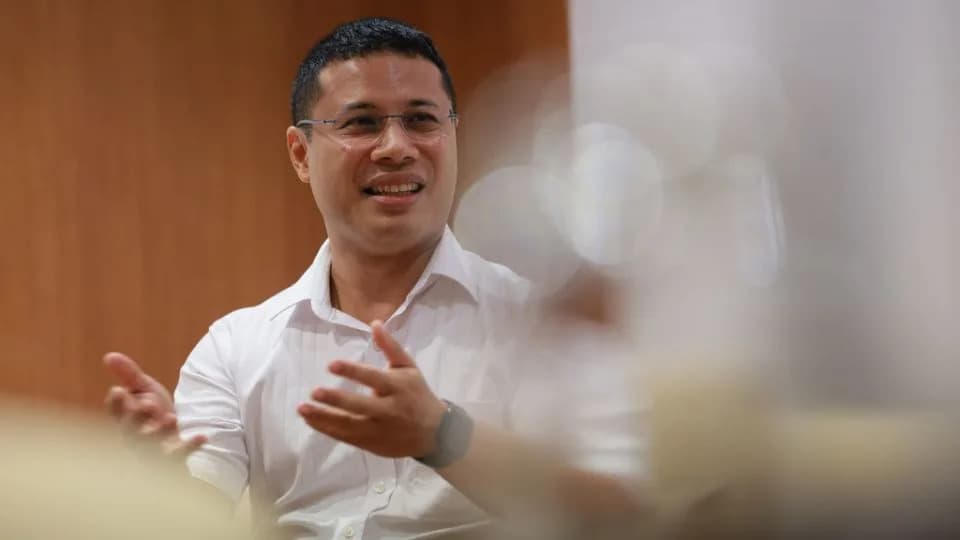
Singapore's education minister, Desmond Lee, is pictured on September 18, 2025. - Gavin Foo/Singapore Press/AP
Singapore's Education Minister Desmond Lee has confirmed that caning may be used in schools as a last-resort disciplinary measure under a new anti-bullying framework due to be introduced from 2027.
The Ministry of Education's guidance says caning will be considered only after other measures have been exhausted, will apply to serious offences, and must follow strict safety and approval protocols. The policy states that caning must be authorised by the school principal and carried out only by authorised teachers; it also specifies that the measure applies to male students only. Schools are instructed to assess factors such as the student’s maturity and whether the punishment will help the pupil learn from their mistakes.
What Officials Say
In parliament, Mr Lee emphasised that schools will exercise discretion and treat caning as a last resort. He cited research—according to the ministry—that argues clear boundaries and meaningful consequences can reduce bullying and help young people make better choices.
'Our schools use caning as a disciplinary measure if all the other measures are inadequate, given the gravity of the misconduct,' Mr Lee said, adding that procedures are in place to ensure student safety.
Public Health And International Context
The policy has drawn international concern. The World Health Organization (WHO) has estimated that between a quarter and one half of children worldwide experience corporal punishment at school and has called for an end to the practice. In an August 2025 report, WHO warned that corporal punishment can have long-term consequences for physical and mental health, education and social functioning, stating that the evidence shows risks of harm and no benefits to children or society.
Legal And Historical Context
Singapore is known for strict laws and firm discipline. Observers note that the city-state has previously enforced severe penalties that attracted international attention—most famously the 1993 case of Michael Fay, an American youth who was sentenced to caning and imprisonment for vandalism, and whose case prompted diplomatic friction with the United States. More recently, at the end of April, a French teenager was charged over an alleged incident involving an orange-juice vending machine, highlighting Singapore's rigorous enforcement of local rules.
The new framework and its explicit inclusion of caning for boys in serious cases is likely to renew debate at home and abroad about best practices, child welfare and how schools should balance discipline, safety and students' mental health.
What To Watch: How schools implement the protocols, the safeguards used to protect students, whether any revisions are made to limit age or gender application, and response from child welfare groups and international health bodies.
Help us improve.