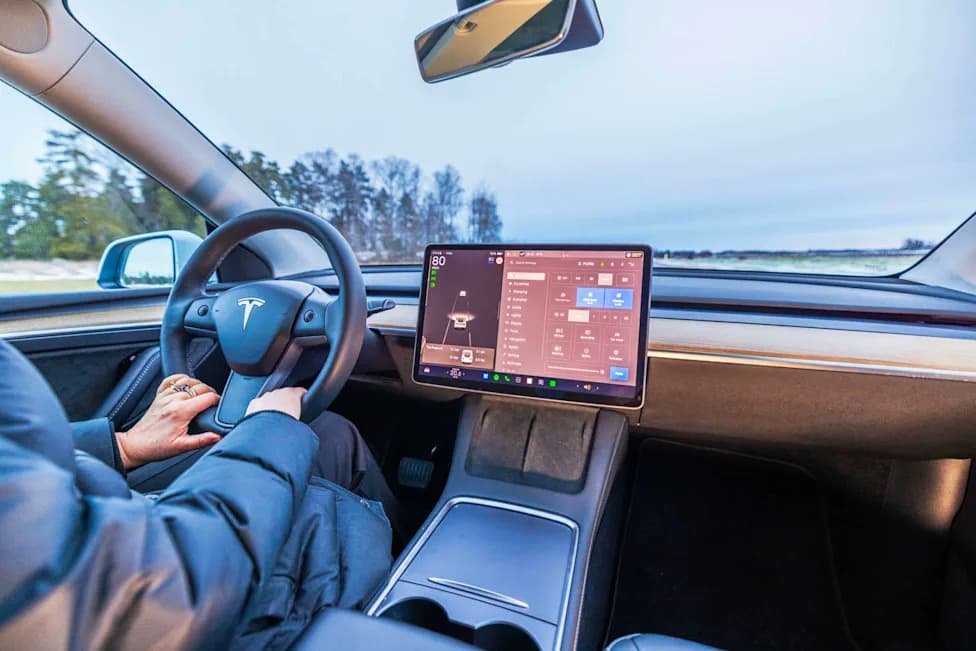
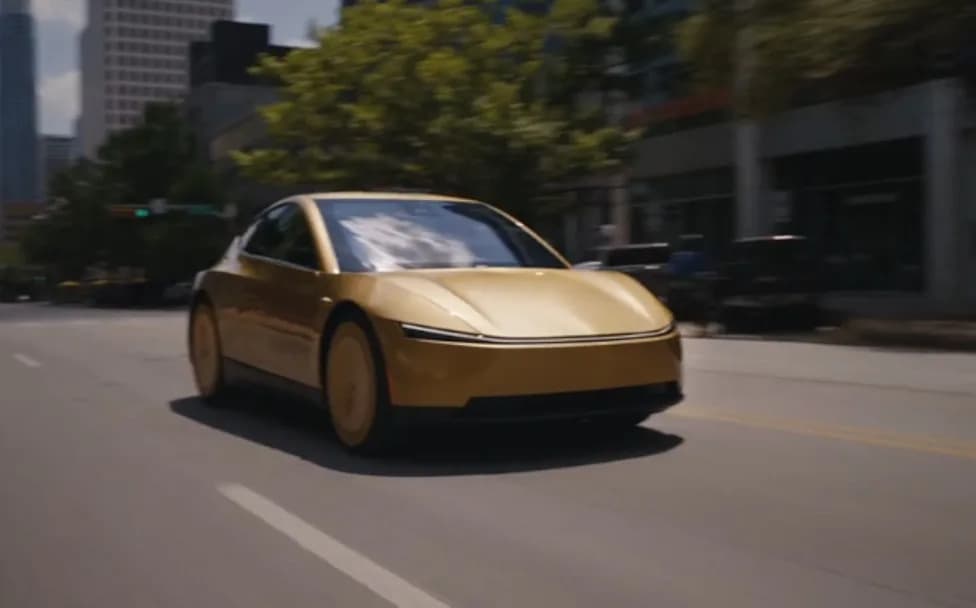
Tesla's Full Self-Driving was approved by the Netherlands' RDW in April, but several other European regulators remain unconvinced. Officials in Sweden, Finland, Denmark and Norway have raised concerns about speeding, winter-road performance and the potentially misleading 'Full Self-Driving' name. Regulators were frustrated by a wave of messages from Tesla owners and say the RDW must publish its supporting data before wider EU recognition. EU committee votes, requiring both member-state and population thresholds, are scheduled for July and October.
Europe Pauses On Tesla's FSD Rollout Despite Dutch Approval
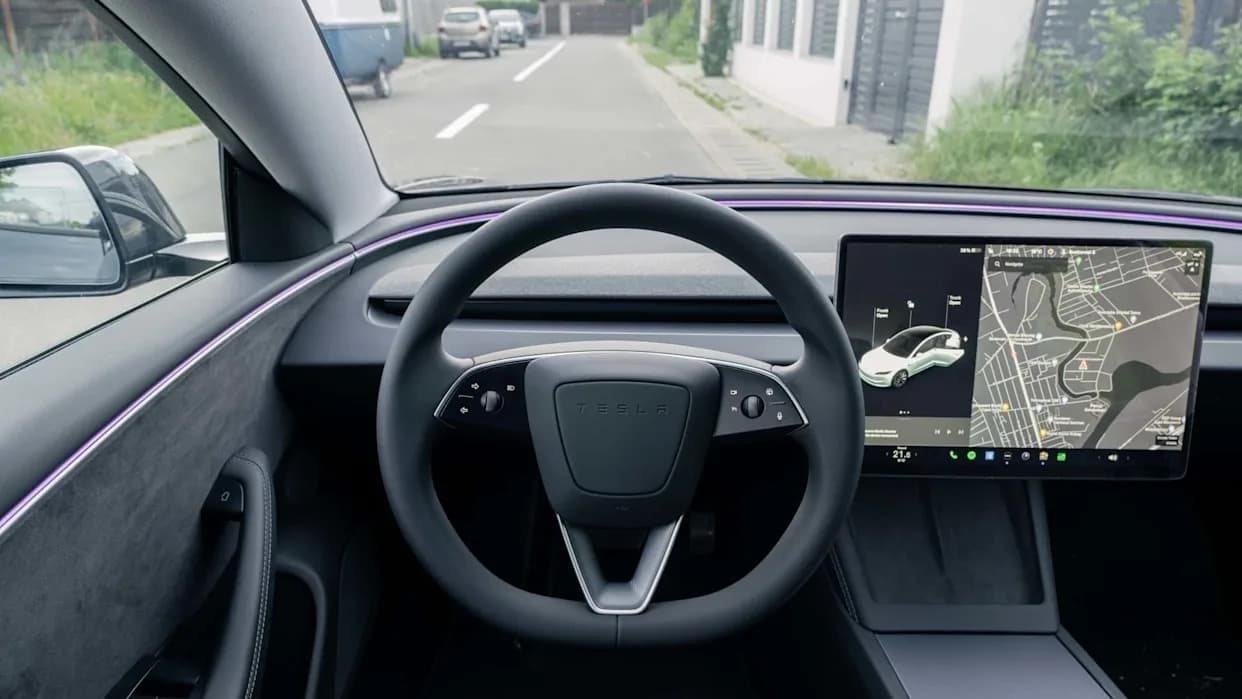
Tesla Model 3 Long Range
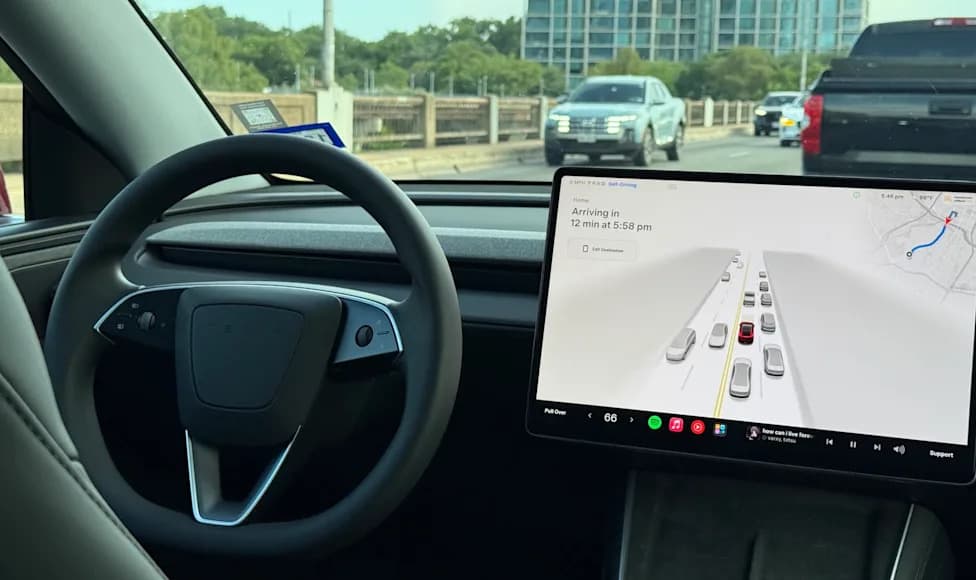
Tesla's Full Self-Driving (FSD) drew a milestone in April when the Netherlands' vehicle safety regulator, the RDW, cleared it for public-road use. But that approval has not translated into an automatic green light across Europe: several national regulators remain unconvinced and are demanding more evidence before they accept the Dutch decision.
Regulatory Concerns
Officials in Sweden, Finland, Denmark and Norway have signaled they will separately review Tesla's request to recognize the Dutch approval in their jurisdictions. Reported concerns include FSD's ability to exceed posted speed limits, its behavior on icy or snowy roads, and whether the product name 'Full Self-Driving' overstates the system's capabilities and could mislead drivers.
Jukka Juhola of Finland's transport authority asked if regulators are 'really introducing a system that allows hands-free driving also on icy 80 km/h roads', raising questions about how FSD would react to sudden avoidance maneuvers on slippery surfaces. Swedish regulator Hans Nordin flagged a feature that lets FSD exceed speed limits and said such behavior should not be permitted.
Regulators also asked whether the system would permit drivers to use their phones while the car operates in an automated mode. Tesla says it plans to deploy a supervised variant in Europe, called FSD Supervised, which requires drivers to keep their eyes on the road and remain attentive — but officials want proof that safeguards are effective in real-world conditions.
Politics, Pressure And Missing Data
Reuters reported that regulators were 'inundated' with emails from Tesla owners urging quick approval after Tesla encouraged customers to contact authorities. Officials said those messages were often unhelpful and even counterproductive; one Norwegian official said regulators had to spend time answering 'misled consumers', and Tesla's EU policy manager acknowledged that such pressure rarely advances technical reviews.
Crucially, Dutch authorities have not yet published the data and research underlying the RDW's approval. That lack of transparency is a key reason other countries remain cautious and may delay recognition until the RDW releases its findings and methodology for independent scrutiny.
What Happens Next?
For EU-wide acceptance of the Dutch decision, votes representing 55% of member states and 65% of the EU population must back recognition. No vote was scheduled immediately after the RDW decision; committee meetings that could move the process forward are planned for July and October. Dutch officials are expected to present their evidence and explain why the rest of Europe should accept the Netherlands' clearance.
Until regulators see the underlying data and are satisfied with safety assurances — particularly for winter driving and speed-control behavior — the Netherlands will likely remain the only EU country to allow FSD on public roads.
Help us improve.