UN Agencies Warn Of Rising Skin Infections In Gaza. UNRWA says cases of scabies, chickenpox and other skin conditions have more than tripled in displacement sites amid heat, overcrowding and poor sanitation. Nearly 10,000 people are now affected in UN‑run sites, up from about 3,000 in January, and officials fear a repeat of 2024 when at least 150,000 people were impacted. Humanitarian teams are calling for urgent entry of medicines, hygiene supplies and pesticides while local authorities race to disinfect tents despite critical shortages.
UN Warns Skin Infections Surge in Gaza Refugee Camps as Summer Nears
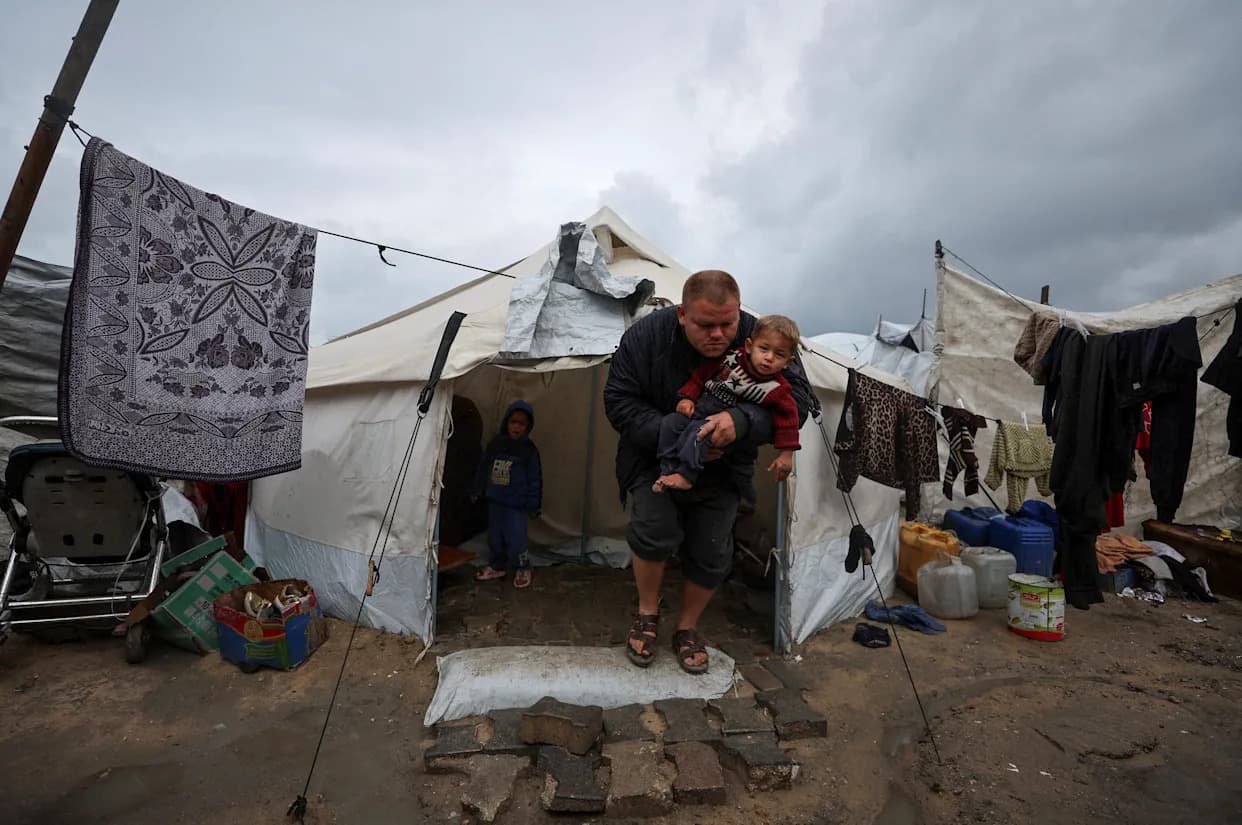
Displaced Palestinians shelter in a tent camp on a rainy day in Gaza City, March 26, 2026 [Dawoud Abu Alkas/Reuters]
The United Nations has warned of a growing public‑health crisis in Gaza as cases of scabies, chickenpox and other skin infections spread rapidly through densely populated refugee camps ahead of the summer months.
Rising Cases and Underlying Causes
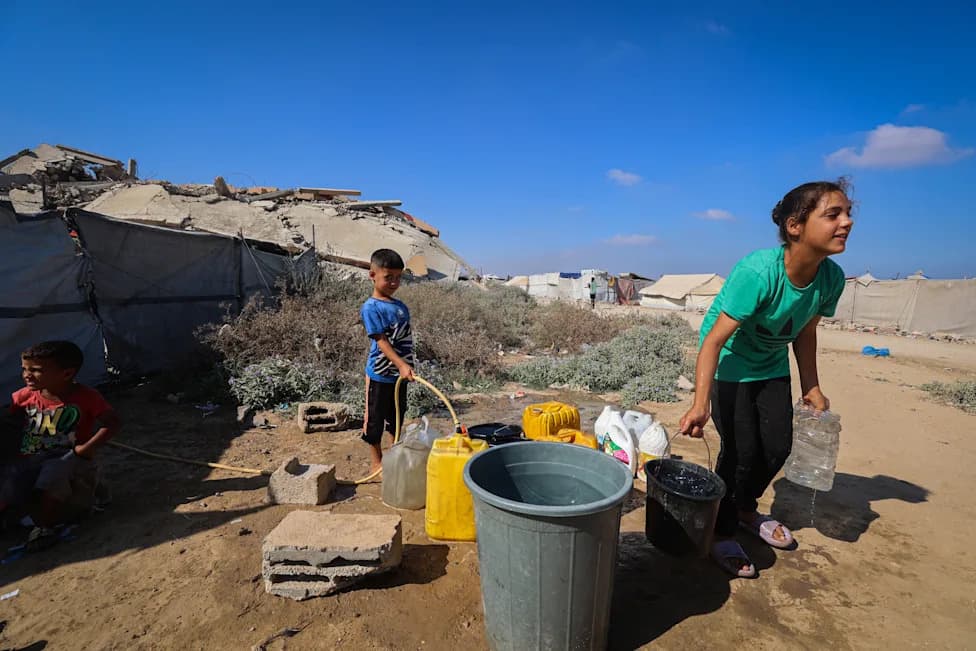
UNRWA (the UN Relief and Works Agency for Palestine Refugees) reports that skin infections have more than tripled in recent months across displacement sites. Health officials attribute the surge to rising temperatures, extreme overcrowding and deteriorating sanitation — conditions that particularly affect children and other vulnerable groups.
Numbers on the Ground
Authorities fear a repeat of 2024, when at least 150,000 people in Gaza were reported to have suffered skin conditions. UN spokespeople say the outbreak has expanded quickly: nearly 10,000 people are now affected in UN‑run displacement sites, up from roughly 3,000 in January.
Strained Health Response
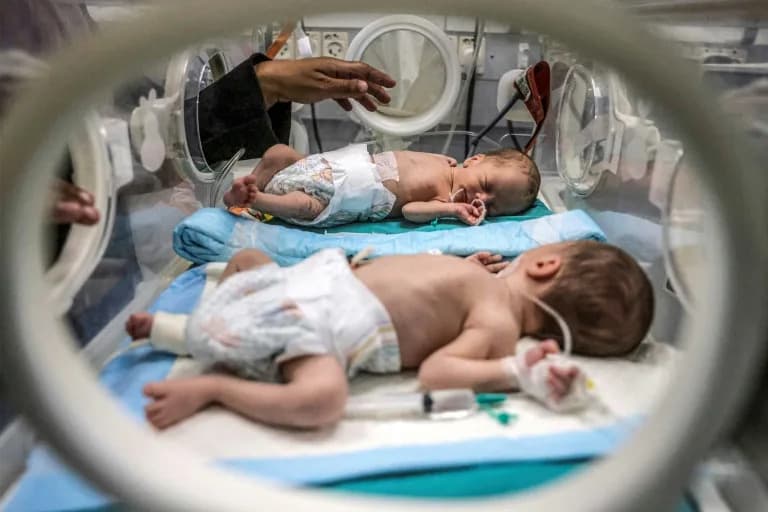
Medical teams and families face severe shortages of essential supplies and medicines. The article links these shortages to the ongoing conflict and a blockade that has sharply limited the import of vital medical equipment. Although a ceasefire has nominally held since October 2025, strikes and restrictions on aid entry have continued to hamper relief efforts.
“We searched all the land across the Strip; it’s filled with displaced people. There are a million people crammed on top of each other ... Dogs, cats, fleas, and rats … look at my hand!”
Calls for Supplies and Local Efforts
UN spokesperson Stephane Dujarric urged authorities to allow the entry of anti‑lice shampoo, topical lotions, basic hygiene supplies, pesticides and insecticides to prevent a broader public‑health emergency. He noted that teams on the ground reported a sharp rise in pests and skin infections in displacement sites.
Local municipalities are taking action where they can. In Khan Younis, municipal teams report having sprayed more than 50,000 tents of an estimated 200,000 over 26 days, but they are running out of pesticides and other materials.
“We are struggling with our inability to provide the necessary materials for the work, as the pesticides are not available in the local market,”
Impact on Children and Families
Hundreds of children in displacement sites such as Deir el‑Balah are suffering from scabies, chickenpox and related conditions linked to poor hygiene and overcrowded living spaces. Medical practitioners warn treatment is difficult without medicines and without the post‑treatment conditions needed for recovery — adequate nutrition, ventilation and hygiene.
“Skin diseases spread rapidly by nature due to close contact. Dealing with them is extremely difficult right now because medications are unavailable, and the proper conditions needed after treatment ... are also lacking,”
Humanitarian and health organizations continue to call for rapid, sustained access for supplies and personnel to prevent the outbreak from worsening as temperatures rise.
Help us improve.