The Republican Party faces an unprecedented test as Donald Trump reshapes its identity and silences internal opposition. Policy setbacks have harmed GOP popularity, but the larger concern is the erosion of democratic norms—from the legacy of Jan. 6 to questions about conflicts of interest and the politicization of federal institutions. The author argues a historical reckoning is coming, and asks whether the party can survive this transformation and who will address the grievances that enabled Trump.
Is the GOP Irreversibly Changed? Trump’s Takeover and the Party’s Moment of Reckoning
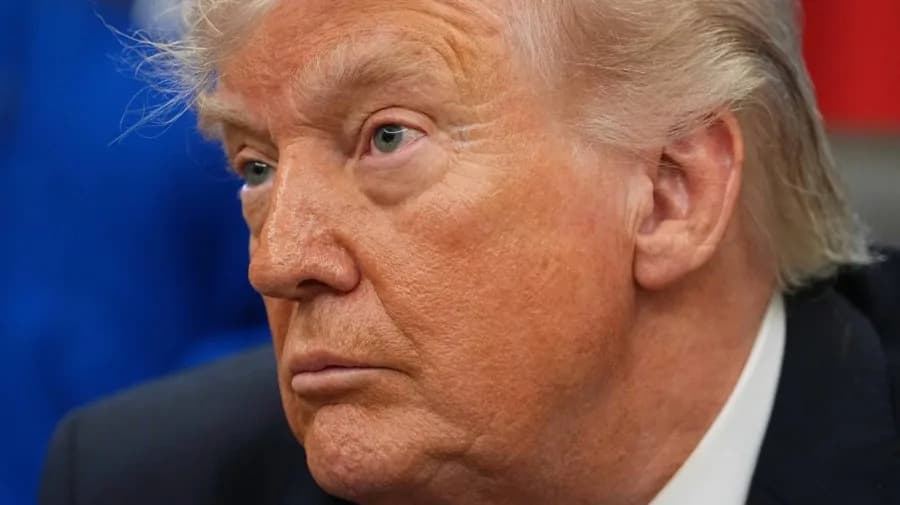
At first glance, the idea of an America without a Republican Party seems unimaginable. Since 1854, the GOP has been a pillar of U.S. politics, protected by ballot-access rules, organized at national and state levels, and backed by substantial financial resources. Roughly one-third of Americans identify as Republicans, and the winner-take-all electoral system has long marginalized third parties.
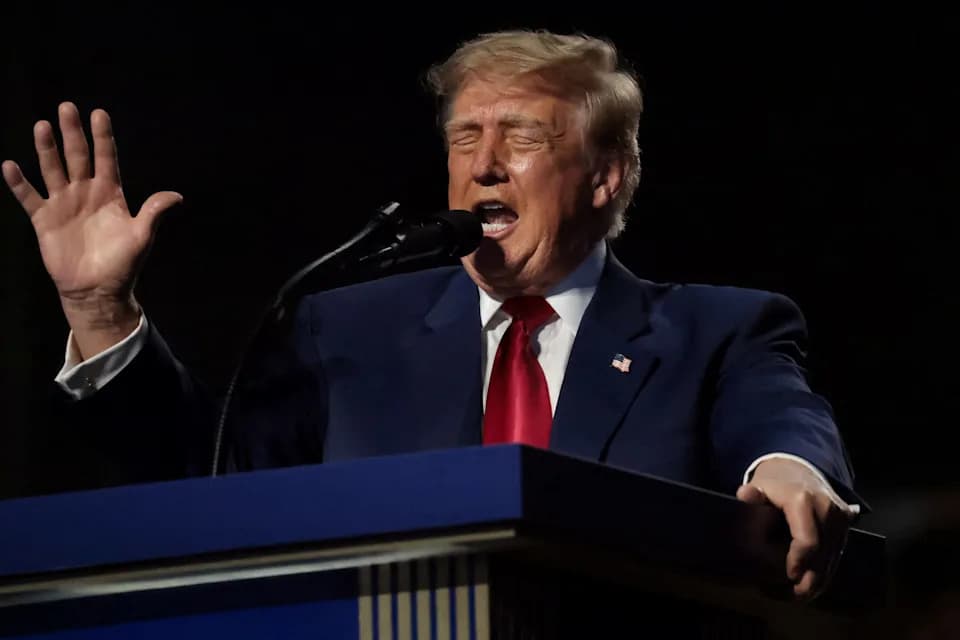
But in recent years, the party has undergone a dramatic transformation under Donald Trump. John Kenneth White, a professor emeritus at The Catholic University of America, argues that Trump filled a void in a party that had become hollowed out—mobilizing populist grievances about economic dislocation, cultural change, and elite detachment, then rebranding the GOP around his style of politics.
How Trump Reshaped the Party
Trump’s insurgency succeeded where establishment figures had failed because he connected directly with voters who felt left behind. Once he gained control, he squeezed internal dissent: many elected Republicans either fell in line, were marginalized, or faced primary threats from MAGA-aligned challengers whose loyalty to Trump, rather than traditional conservative credentials, became their chief qualification.
Policy Failures and Political Costs
Policy setbacks have compounded the problem. Critics point to struggles over inflation, high fuel and grocery prices, and unpopular legislation dubbed the "Big Beautiful Bill Act." These issues have depressed Republican standing in 2026 midterm polling and contributed to Democratic overperformance in several special elections since Trump returned to power.
A Broader Institutional Concern
Beyond policy, White warns the deeper danger is erosion of democratic norms. The article cites the Jan. 6, 2021, attack on the U.S. Capitol and argues Trump’s repeated false claims about the 2020 election helped inflame that moment. The piece also raises concerns—framed as the author’s and his critics’ assertions—about conflicts of interest tied to Trump’s business activities (allegedly generating roughly $4 billion for his family), the politicization of federal law-enforcement institutions, and administrative actions that removed career staff and weakened agency capacity.
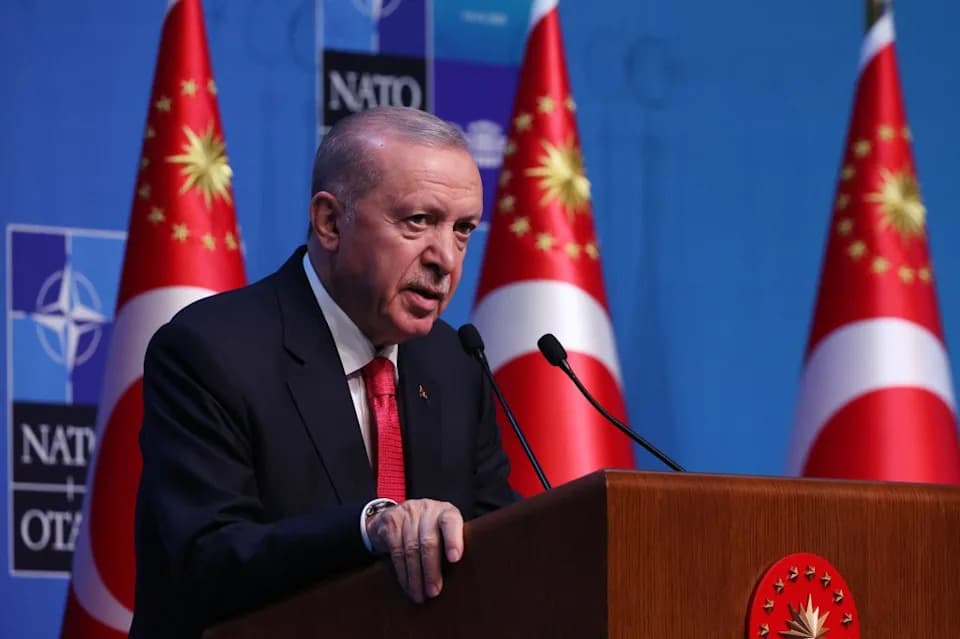
The article also highlights foreign-policy consequences: tensions with NATO allies and the perception that U.S. posture under Trump empowered autocrats such as Vladimir Putin, particularly in the context of Russia’s war in Ukraine.
What Comes Next?
White contends historians will likely rank Trump unfavorably—citing a 2025 C-SPAN survey that placed him near the bottom of presidential rankings—and predicts a "day of reckoning" when the presidency ends and institutions begin to rebuild. The central questions, he writes, are whether the Republican Party can survive a takeover that reshaped its identity and whether Democrats and others will address the economic and cultural grievances that fueled Trump’s rise.
Author: John Kenneth White is professor emeritus at The Catholic University of America and writes on Substack. His most recent book is Grand Old Unraveling: The Republican Party, Donald Trump, and the Rise of Authoritarianism.
Help us improve.