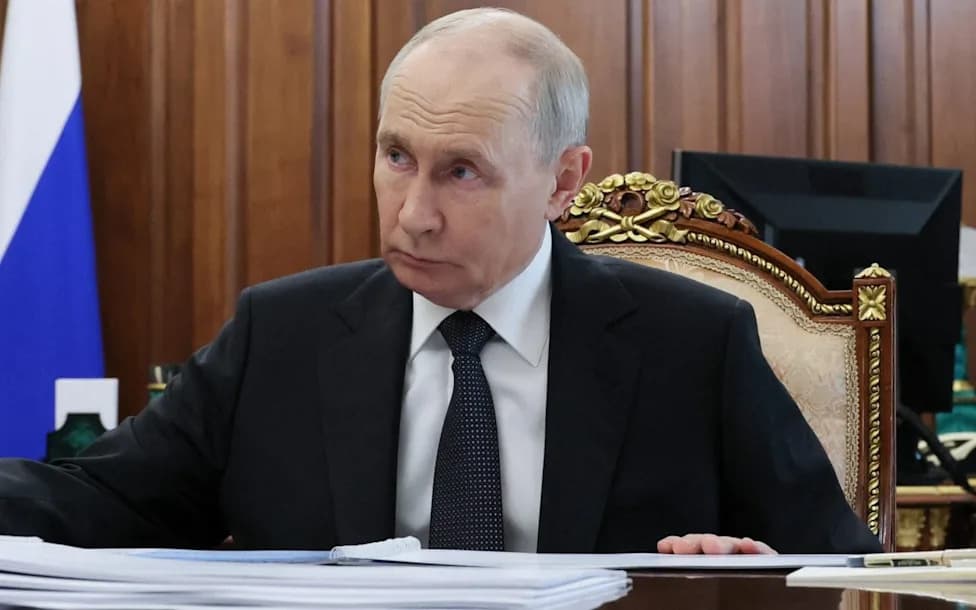
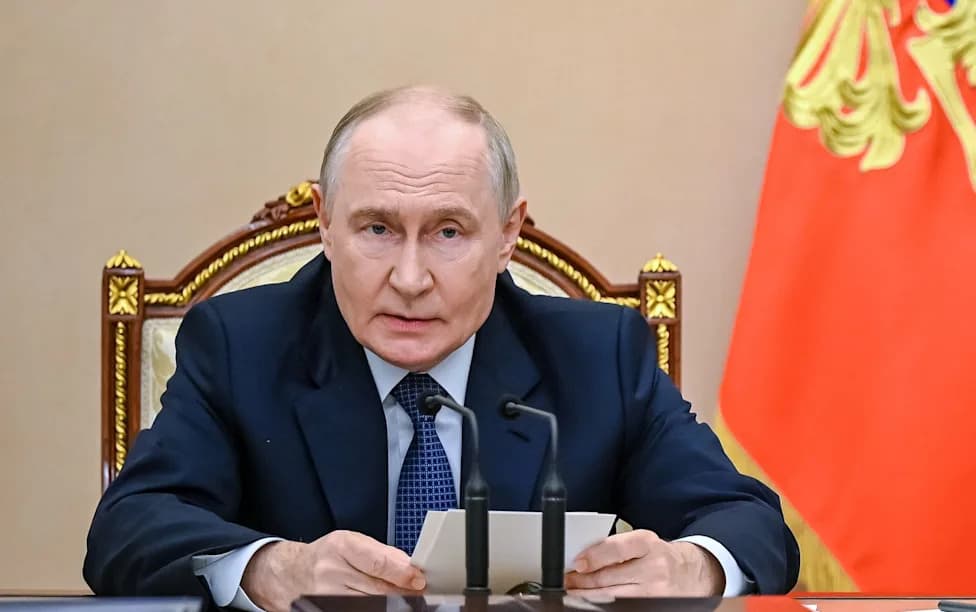
Reports from the Financial Times and IStories say Vladimir Putin has been operating from secure bunkers amid growing fears of assassination after a drone strike near the Kremlin. His family has curtailed regional travel, staff face strict device and travel bans, and internal security has been tightened. The shift coincides with Putin’s deepening micromanagement of the war in Ukraine, concerns about a possible coup, and a sharp drop in public appearances.
Putin Reportedly Retreats to Bunkers as Drone Strike Fuels Assassination Fears
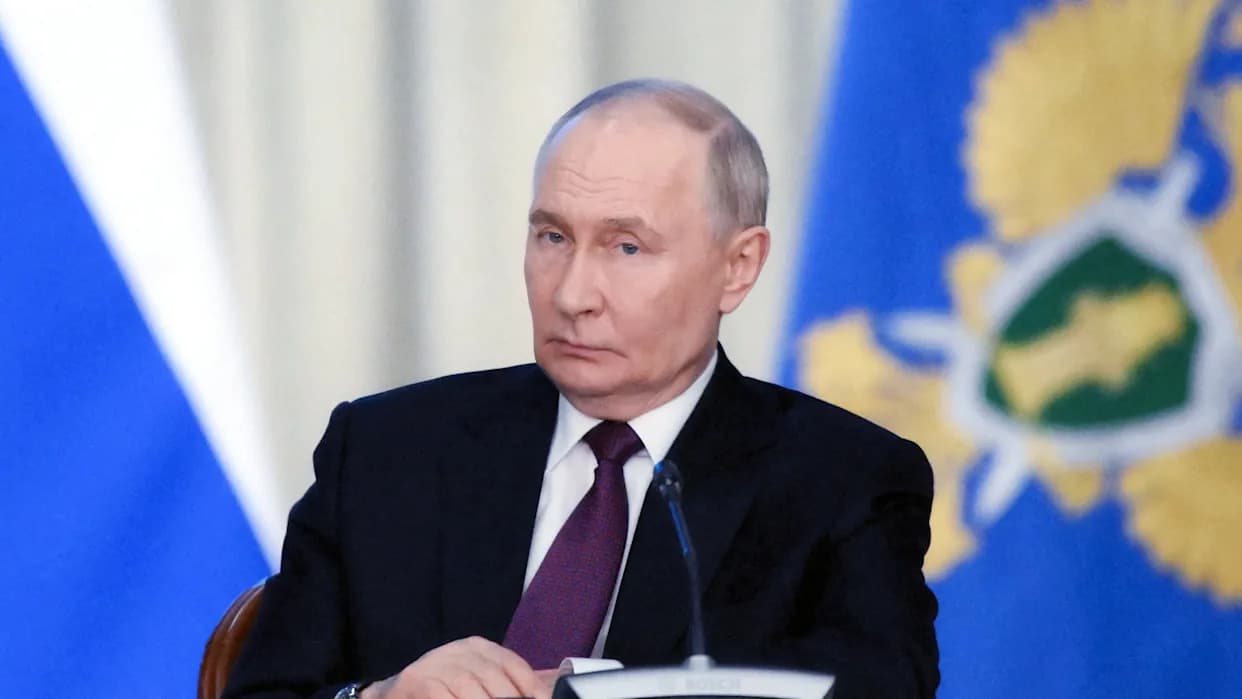
Pelagiya Tikhonova / via REUTERS(Pelagiya Tikhonova)
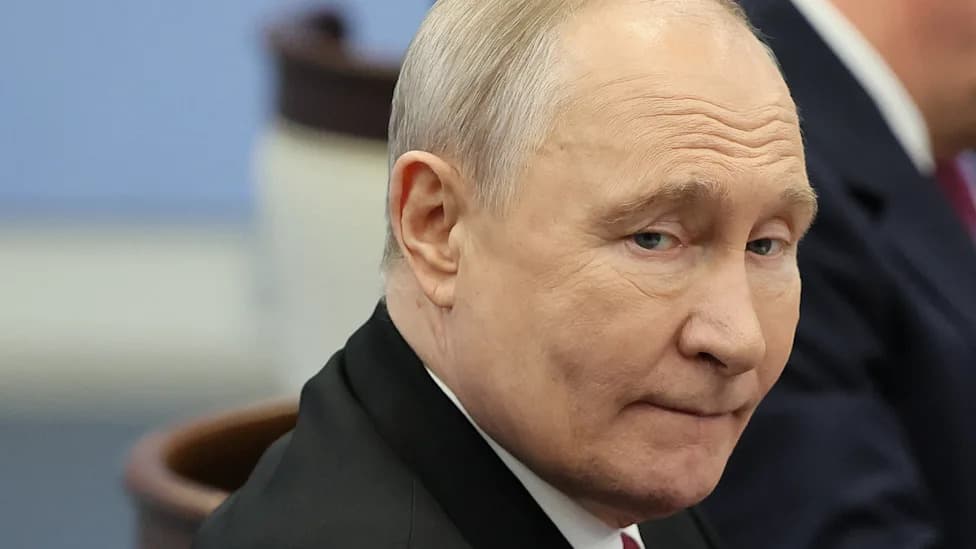
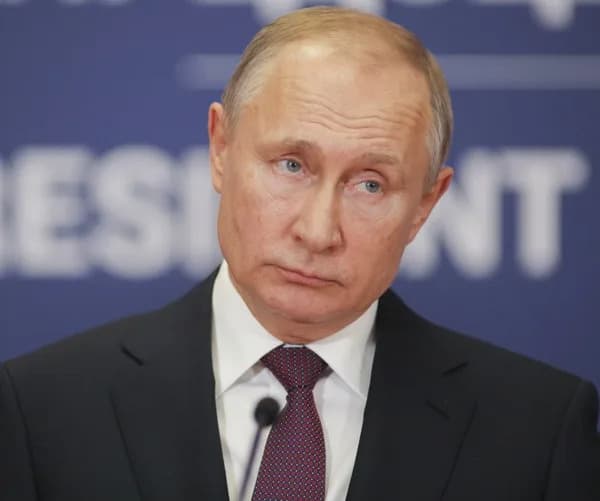
Russian President Vladimir Putin has reportedly been withdrawing into secure bunkers amid rising fears of assassination, according to reporting by the Financial Times and independent Russian outlet IStories, which cite people close to the Kremlin and European intelligence sources.
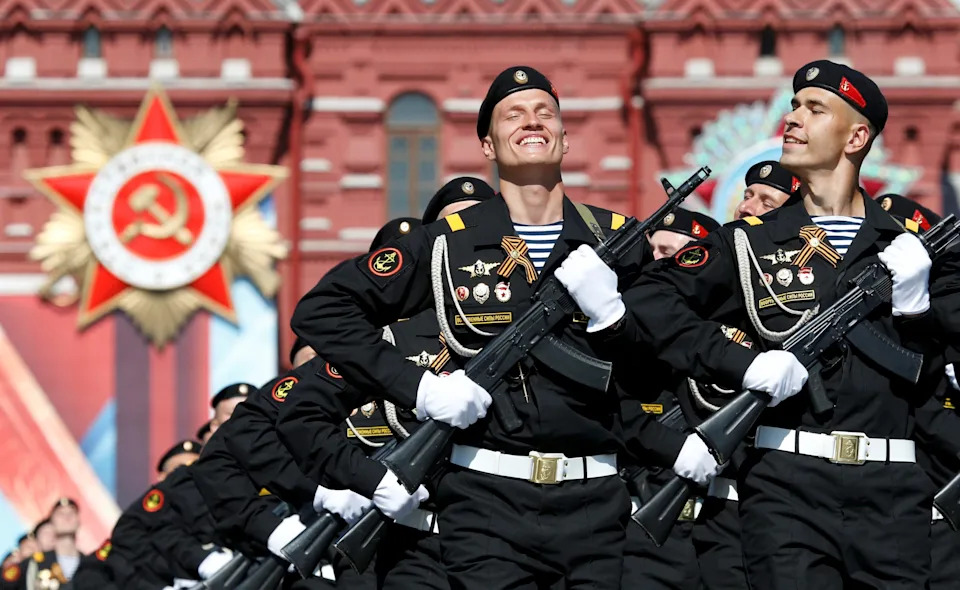
Russian service members march during the Victory Day Parade in 2016. / Grigory Dukor / REUTERS
Sources say the president and his family have curtailed visits to regional residences, while Kremlin staff have been urged to avoid public transport, in-person meetings have been reduced, and security screenings intensified. Many close aides — from cooks to photographers — are reportedly barred from carrying electronic devices when near the president and must travel to work privately rather than by train or bus.
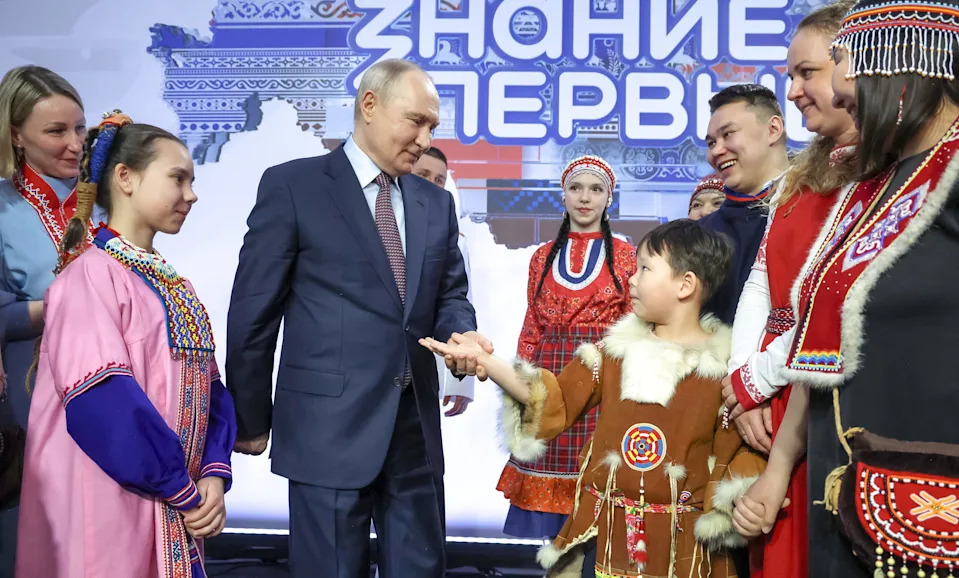
Putin has made just two public appearances this year. / Vyacheslav Prokofyev / via REUTERS
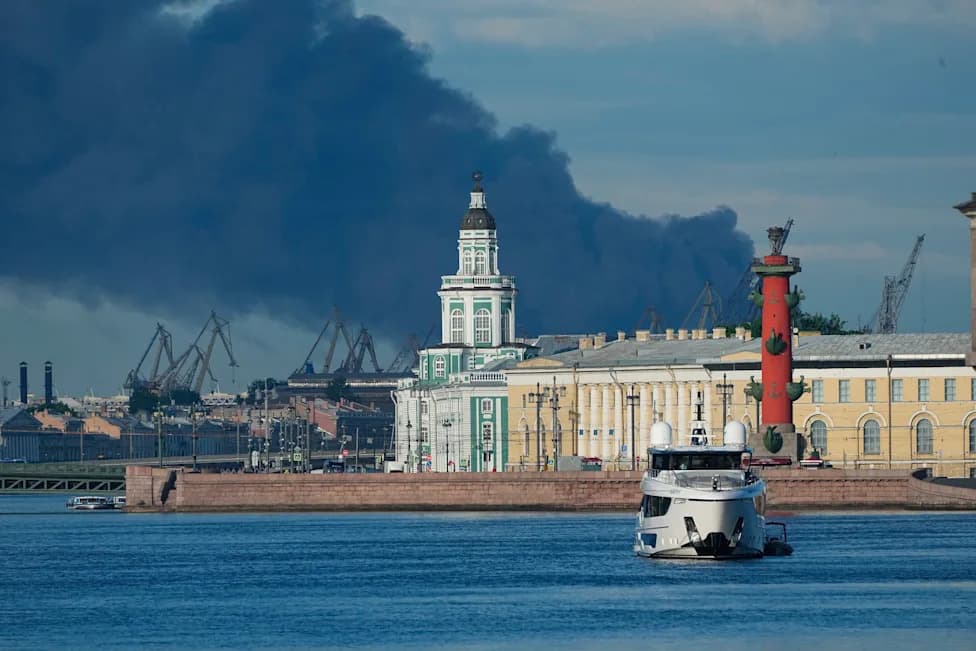
The heightened security posture follows a drone strike on an upscale apartment block roughly four miles from the Kremlin, an attack that occurred five days before Moscow’s annual Victory Day parade in Red Square. A European intelligence source told reporters that concern about drone-enabled assassination attempts has increased since March.
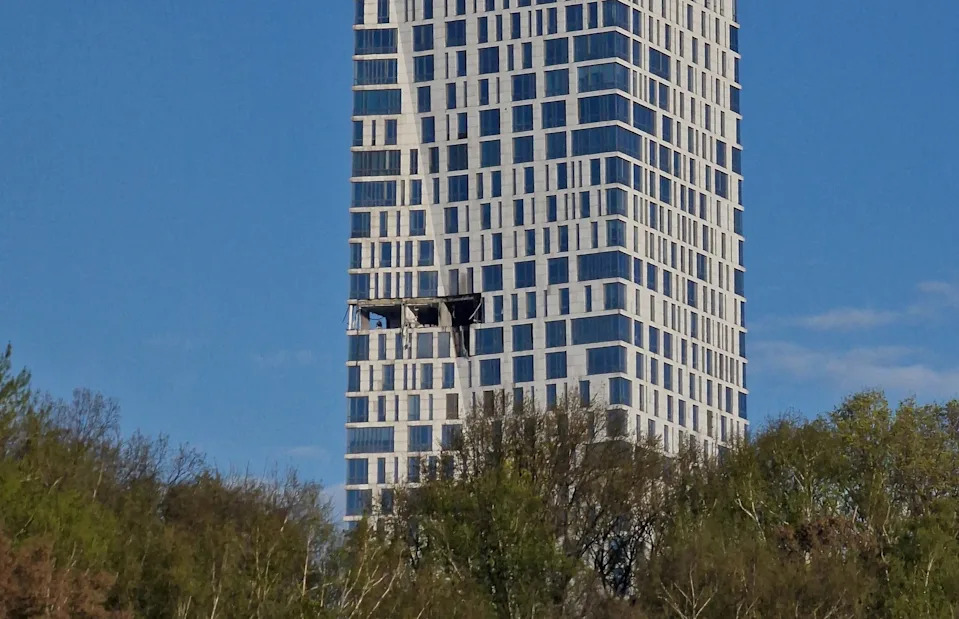
A Moscow residential building was hit by a Ukrainian drone. / Stringer / REUTERS
Another source cited in reports said that media accounts about a January incident involving Venezuela’s president Nicolás Maduro and alleged U.S. actions contributed to Putin’s alarm, according to people familiar with the matter.
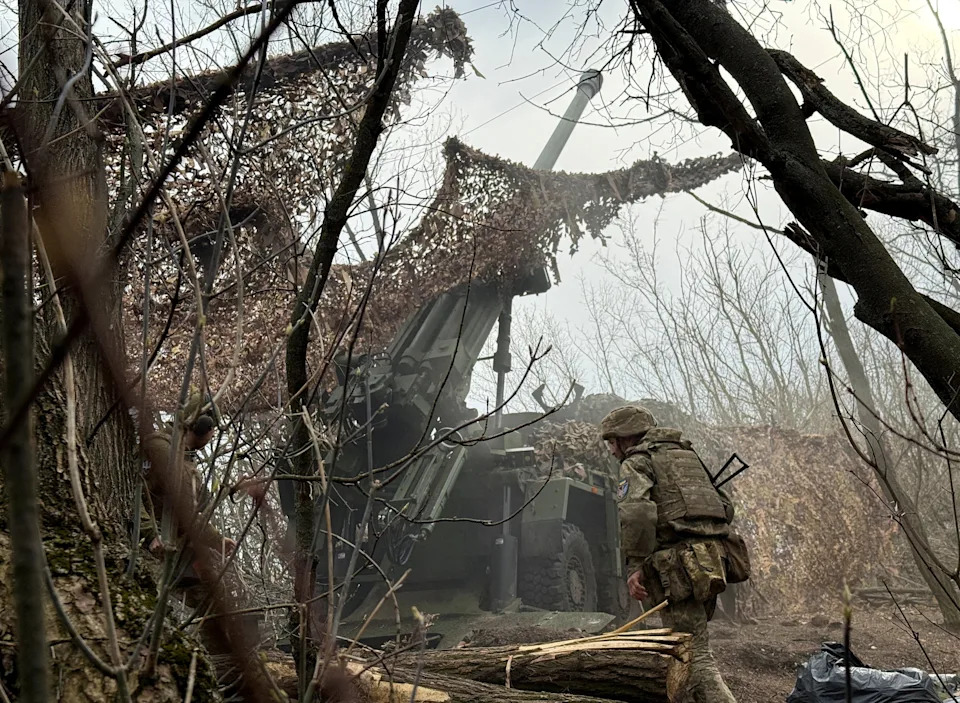
The fighting in Ukraine continues, and reports claim Putin has become increasingly focused on it. / Stringer / REUTERS
War Focus and Micromanagement
The Financial Times reports that Mr. Putin’s involvement in the war in Ukraine has shifted toward intense micromanagement, consuming an ever larger share of his time and attention and reducing his engagement with day-to-day civilian governance. One person who speaks to him was quoted as saying that Putin spends about 70% of his time on the war and the remaining time on diplomatic meetings or economic matters.
“Putin spends 70 percent of his time running the war and the other 30 percent meeting [someone like] the president of Indonesia or dealing with the economy,”
Those close to the president say he has worked from a bunker in Krasnodar in southern Russia for several weeks. Radio Free Europe published an investigation in March alleging that he uses three nearly identical offices in different locations. IStories, citing a European Union intelligence assessment, reports that Putin grew concerned in March about a possible coup plot; the outlet also says the government sometimes relies on pre-recorded messages while he is away from public view.
Reports say internal tensions have increased: senior officials have publicly blamed one another for security lapses, prompting Mr. Putin to order that his Federal Protective Service extend protection to 10 senior generals. CNN and other outlets reviewing the material say Kremlin visitors are now subject to double screening on entry, and some staff have had additional security measures installed at their homes.
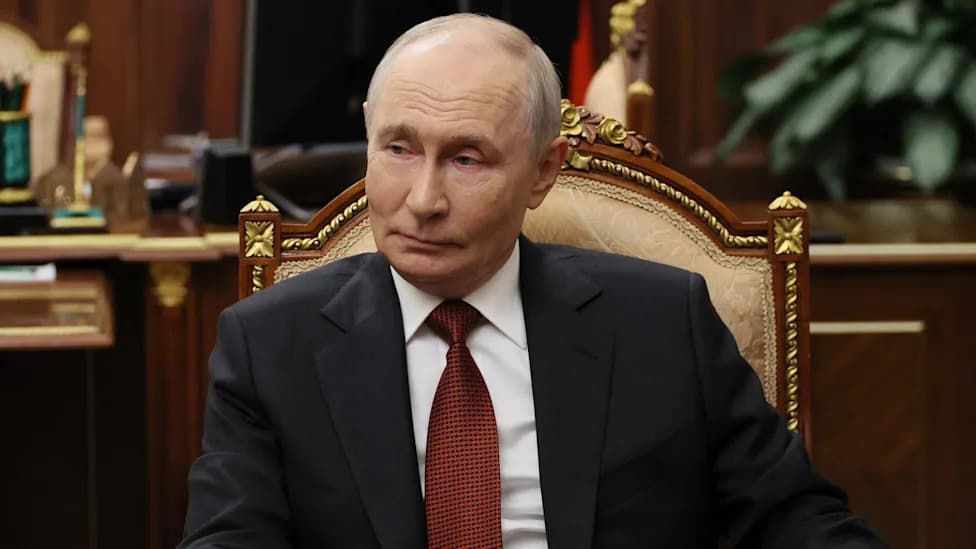
Public appearances by the president have become notably rare: he has reportedly made only two public appearances so far this year, compared with more than 17 trips and meetings last year. Analysts cite sinking public approval amid mounting war costs, heavy military losses and periodic internet disruptions.
Help us improve.