Archaeologists at Al Bahnasa (ancient Oxyrhynchus) found a 1,600-year-old Roman-era mummy with a papyrus fragment of Homer's Iliad bound to its abdomen — the first recorded instance of a literary text incorporated into a mummification package. The fragment appears to contain lines from Book 2 (the Catalog of Ships). Researchers suggest it could be an embalmer's mark or a ritual item and plan non‑destructive imaging to read the fragile papyrus and investigate its purpose.
Homer’s Iliad Found Bound to a 1,600-Year-Old Egyptian Mummy — A First in Funerary Practice
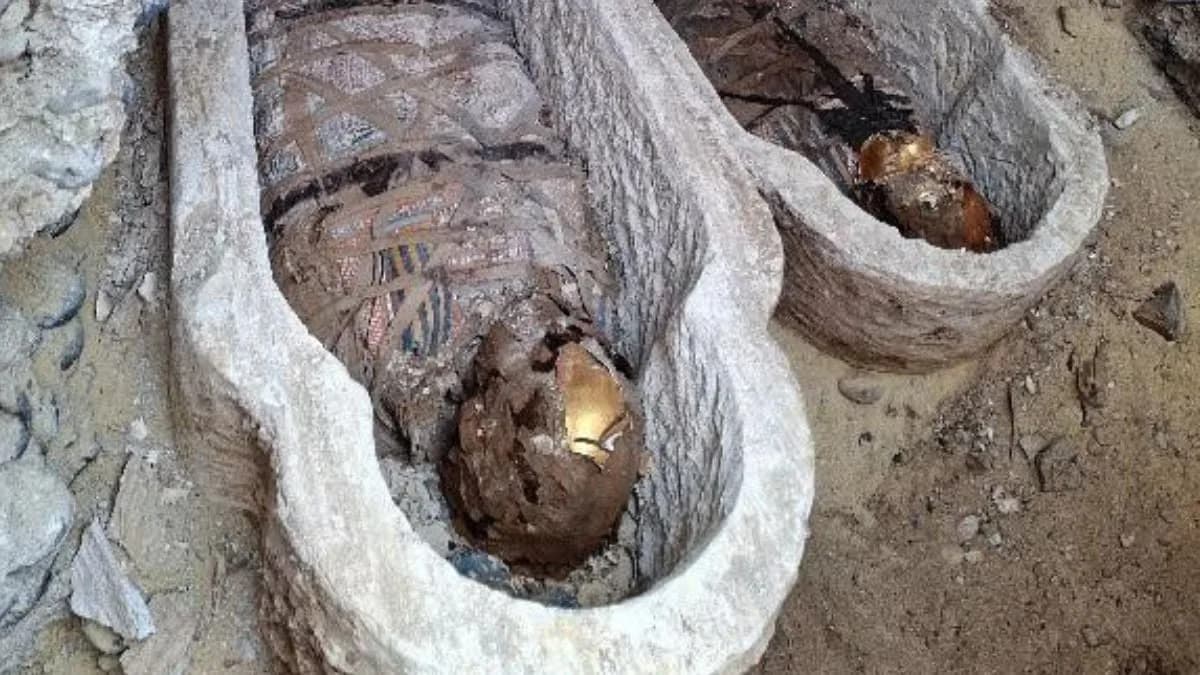
(Egyptian Ministry of Tourism and Antiquities/Facebook)
Archaeologists working at Al Bahnasa (ancient Oxyrhynchus) have uncovered a rare and surprising funerary assemblage: a 1,600-year-old Roman-era mummy with a fragile papyrus fragment of Homer's Iliad intentionally bound to its abdomen as part of the embalming package.
The remains were recovered from limestone burial chambers in a well-known Oxyrhynchus necropolis that has yielded thousands of papyri since excavations began in the late 19th century. While Greek papyri have been previously found in association with mummies, those texts were mainly magical, ritual, or documentary. This is the first documented case in which a literary text — lines from Book 2 of the Iliad, the Catalog of Ships — was incorporated directly into the mummification assemblage.
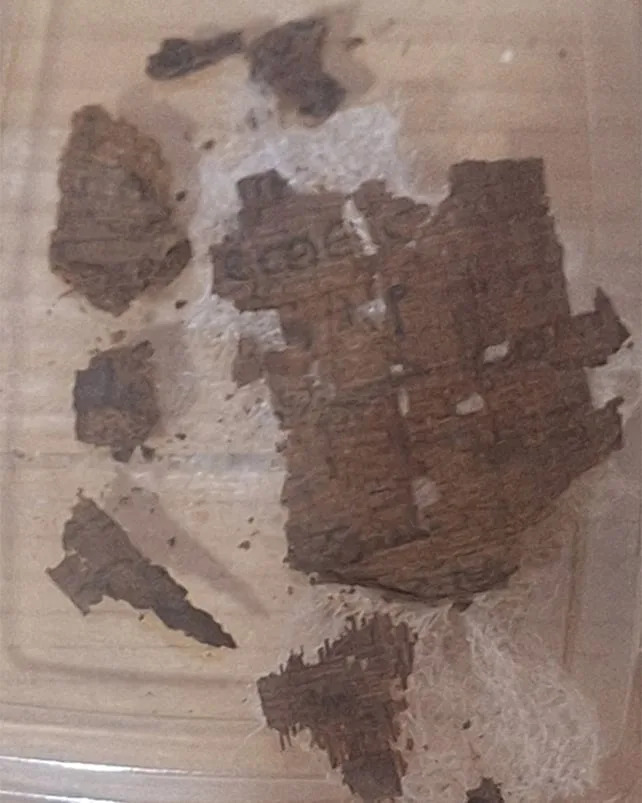
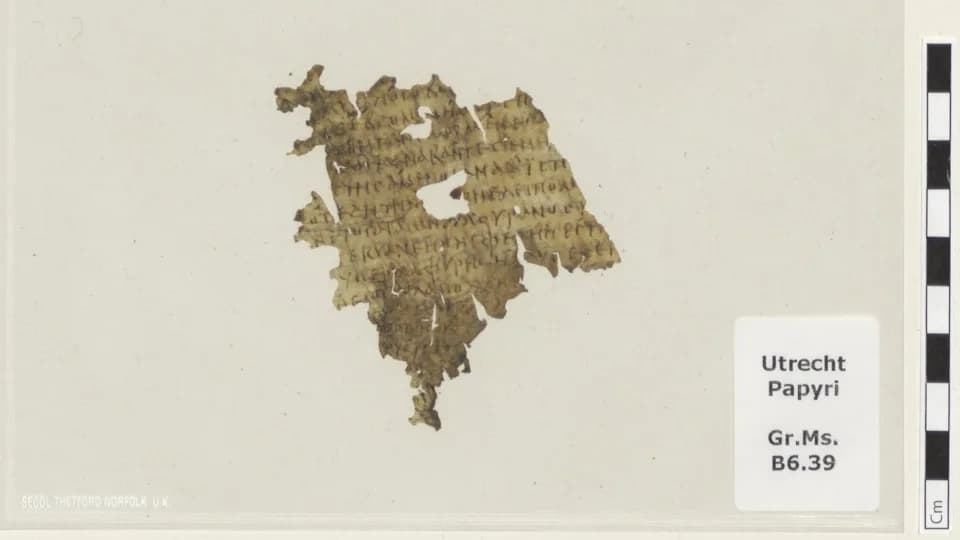
Fragments of papyrus recovered from the mummy. (The Oxyrhynchus Archaeological Mission)
What the Team Found
The papyrus fragment is in fragile condition, but specialists have identified phrases that match the passage in Book 2. The paper was deliberately placed and bound to the mummy's abdomen during preparation, indicating an intentional role rather than accidental inclusion.
"This is not the first time we have found Greek papyri, bundled, sealed, and incorporated into the mummification process, but until now, their content was mainly magical," said Ignasi‑Xavier Adiego, classical philologist and director of the Oxyrhynchus Archaeological Mission. He called the discovery of a literary papyrus in a funerary context a genuine novelty for the site.
Possible Explanations
Researchers are considering several hypotheses. One proposal is that the passage served as an emblem or signature of the embalmer or workshop — a recognizable text attached to their work. Other papyri in burials have functioned as protective or ritual items, akin to prayers or spells intended to aid the deceased. Why a canonical epic like the Iliad would be used in this way remains an open question.
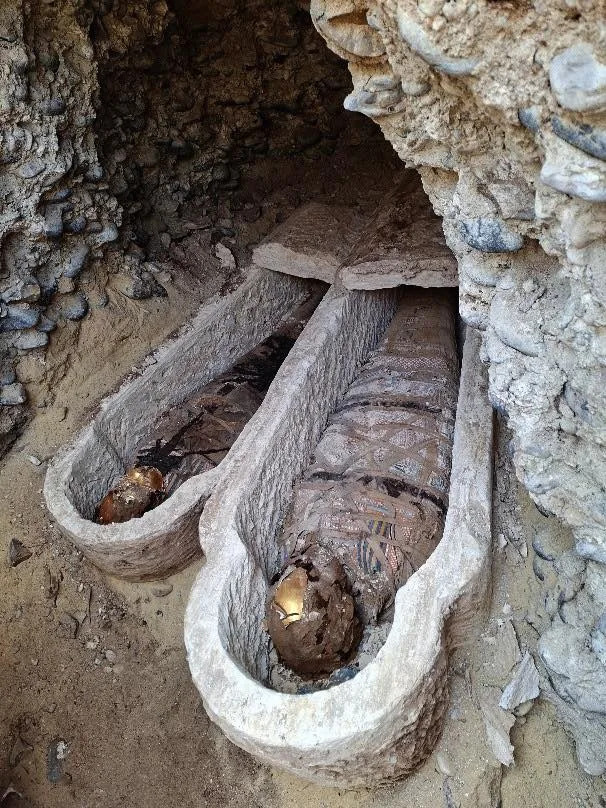
The mummy was among several found at the site in Egypt. (Egyptian Ministry of Tourism and Antiquities/Facebook)
So far, the team has avoided invasive analysis to protect the delicate papyrus. As Adiego noted, non-destructive techniques such as multispectral imaging, X-ray scanning, or other high-resolution imaging will be used next to read more of the text and help determine its extent and purpose without harming the material.
Archaeological Context and Significance
The Oxyrhynchus graves indicate occupants of some means: excavators found gold and copper foil placed on the tongues of several mummies and decorated wooden coffins in the chambers. Although earlier looting has damaged parts of the site, the papyrus fragment survived where many other objects did not.

Subscribe to ScienceAlert's free fact-checked newsletter
This discovery deepens our understanding of cultural interaction in Roman Egypt, where Greek language and literature circulated alongside Egyptian funerary traditions. Finding Homer in a mummification context raises new questions about literacy, ritual practice, and the symbolic roles that texts might have played in late antique funerary customs.
As non-destructive imaging and further study progress, researchers hope to clarify how much of the passage survives, why it was chosen, and whether other literary fragments might be hiding in the necropolis.
Help us improve.