MIT engineers found that rice seeds exposed to vibrations from falling raindrops germinated up to about 37% faster in lab tests. Nearly 8,000 seeds were submerged ~3 cm deep and subjected to simulated rainfall while a hydrophone confirmed the acoustic signature matched real raindrops. The authors propose that pressure waves displace statoliths — gravity-sensing organelles — triggering germination, with the strongest effects in seeds nearest the surface. The study appears in Scientific Reports.
Rain Vibrations Wake Seeds: Study Shows Raindrops Trigger Faster Germination
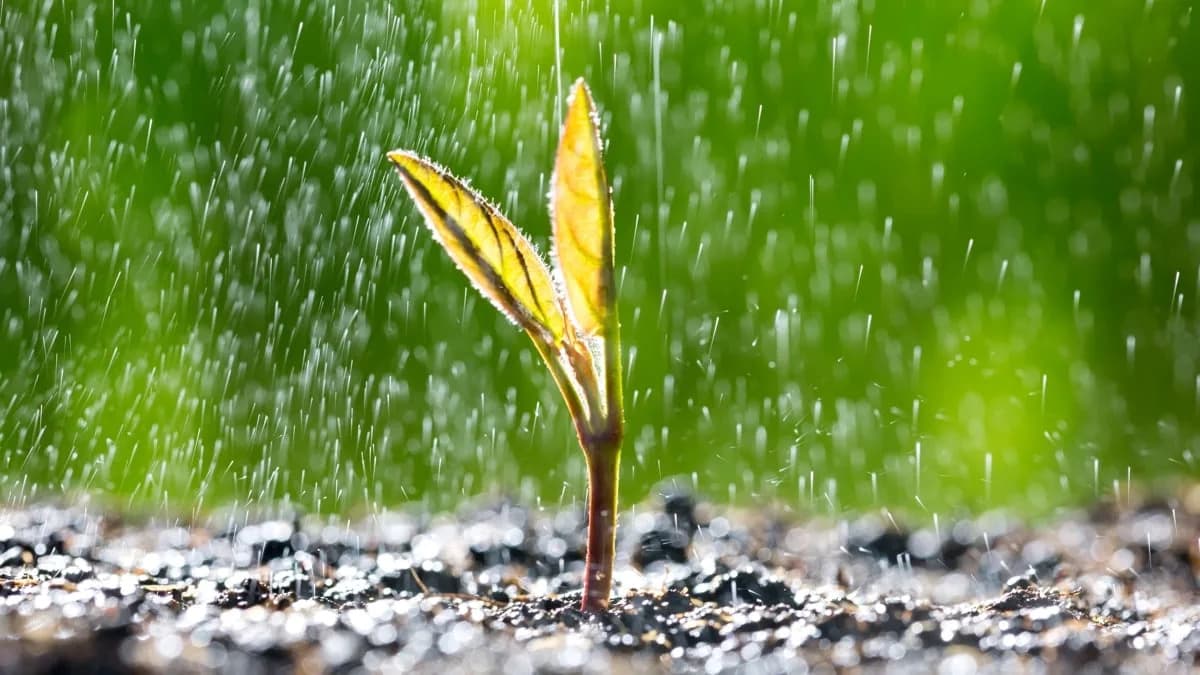
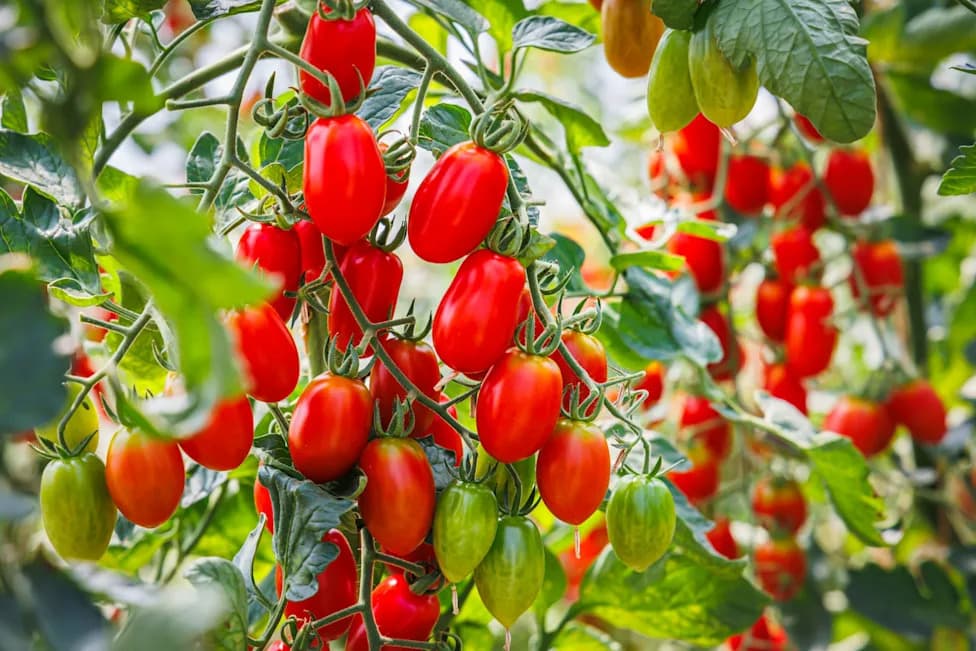
(sbayram/iStock/Getty Images)
New research from MIT shows that seeds can detect the vibrations produced by falling raindrops and respond by breaking dormancy to take advantage of incoming water. The work — led by mechanical engineers Nicholas Makris and Cadine Navarro — offers the first direct laboratory evidence that seeds and seedlings can sense and react to naturally occurring sound vibrations.
Experimental Setup
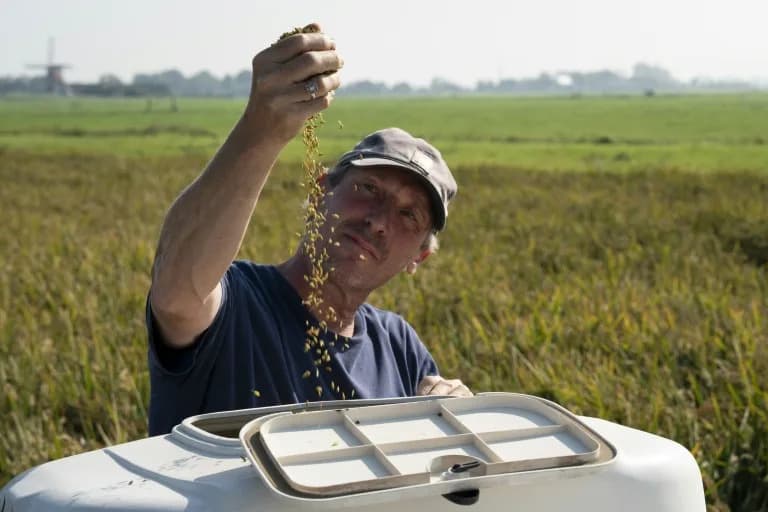
In a controlled series of experiments, the team tested nearly 8,000 rice seeds submerged in shallow tubs of water about 3 cm (1 inch) deep. Subsets of seeds were exposed to falling water drops for six days while the researchers varied drop size, release height and seed position to simulate storms of different intensity and to measure how distance and depth affect germination. A hydrophone recorded the vibrations to ensure the lab conditions matched the acoustic signatures of real raindrops.
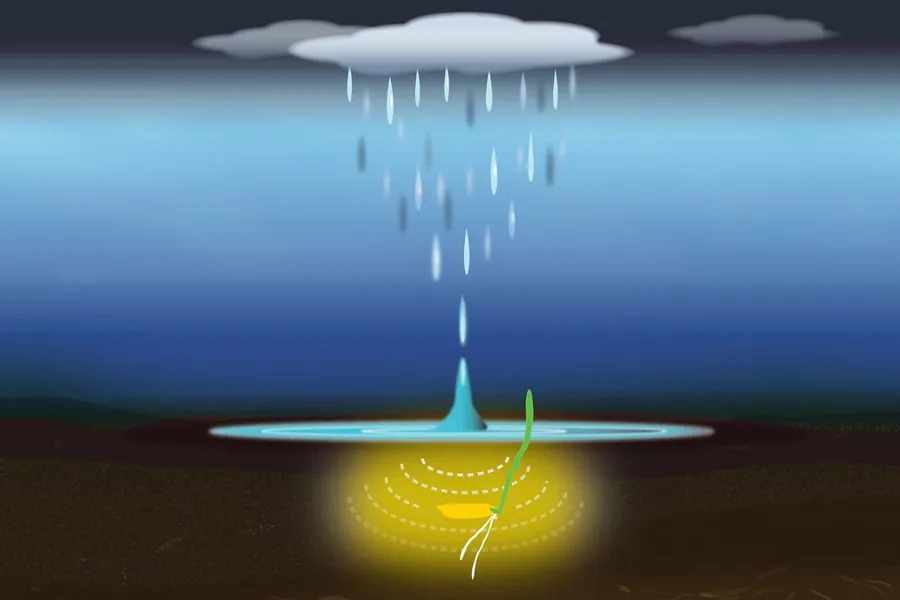
Artistic representation of a rice seed germinating in response to the acoustic vibrations caused by falling raindrops. (Cadine Navarro/MIT)
Key Findings
Seeds exposed to simulated rainfall germinated up to about 37% faster than otherwise identical seeds that did not receive drop impacts. The greatest increases occurred in seeds closest to the surface and nearest to the impacts.
"What this study is saying is that seeds can sense sound in ways that can help them survive. The energy of the rain sound is enough to accelerate a seed's growth," said Makris.
Proposed Mechanism
The authors link the response to statoliths — tiny, gravity-sensing organelles inside certain plant cells. Pressure waves produced by falling drops can transmit force through water (and potentially soil) and displace statoliths, which appears to trigger the physiological processes that lead to germination. Because acoustic vibrations are amplified underwater (water transmits pressure waves more efficiently than air), seeds a few centimeters from an impact can experience pressure levels far above typical airborne sounds.

Subscribe to ScienceAlert's free fact-checked newsletter
Context and Implications
The team chose rice because it shares gravitropic mechanisms with many other plants and commonly grows in flooded conditions, making it suitable for this setup. The researchers suspect other seed species may similarly respond to environmental vibrations, which could have implications for understanding seed ecology and improving crop germination strategies.
The full study is published in Scientific Reports. The researchers also made audio recordings available to illustrate the submerged acoustic environment used in the experiments.
Help us improve.