Birds often act as both seed predators and seed dispersers. A year-long study recording 402 hours and 6,012 bird visits found that 24 of 25 bird species used multiple plant-interaction pathways and that outcomes depended on fruit size and ripeness. About 50% of plant species experienced polychory, meaning their seeds were spread by more than one mechanism. The findings show seed dispersal is context-dependent and more complex than a simple disperser–predator dichotomy.
Seed-Crushing Birds Are Also Forest Builders: New Study Reveals Widespread Polychory
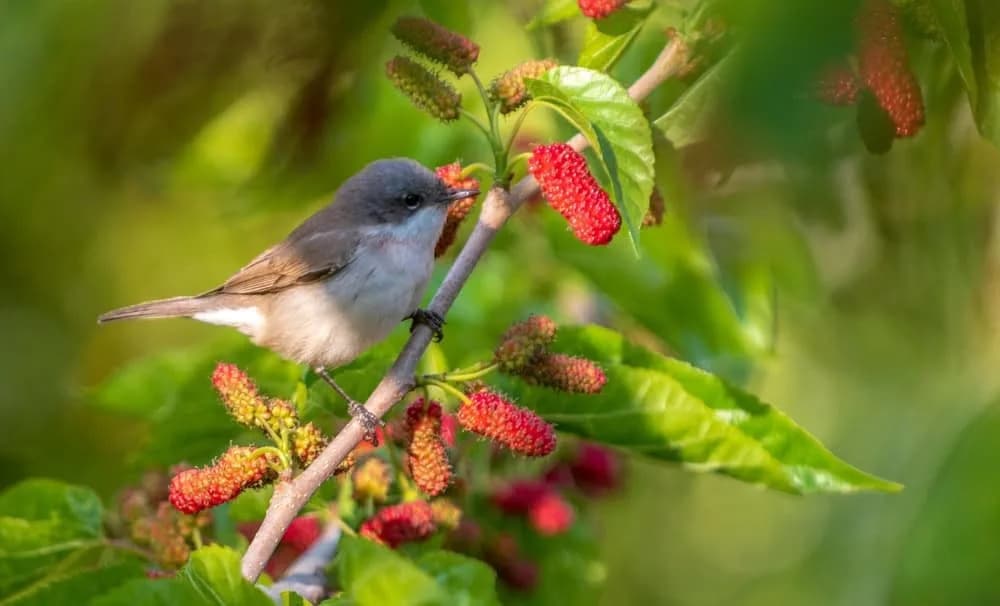
A bird eating mulberry fruit on a branch© Lukas07/Shutterstock.com
From the plant's perspective, birds can be both foe and ally. Some species crush and eat seeds (antagonists), while others disperse seeds as they feed (mutualists). A new year-long field study shows this relationship is far more fluid than the simple "disperser vs. predator" view: 24 of the 25 bird species observed combined multiple interaction outcomes with plants, and those outcomes shifted with context.
Why Seed Dispersal Matters
Seed dispersal is a cornerstone of plant ecology: plants gain gene flow and opportunities to colonize new sites, and animals gain nutrition from fruit pulp. But many fruit-attracted animals also damage seeds, so plants evolve defenses—such as hard seed coats or chemical deterrents like phenolic compounds—that change as fruits ripen. As a result, the balance between antagonism and mutualism varies with fruit traits and timing.
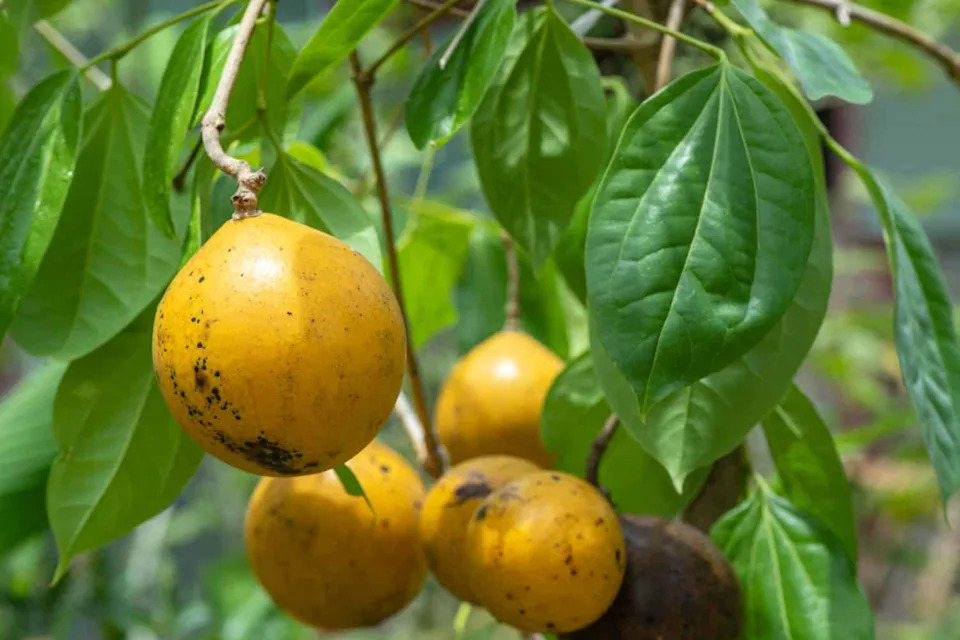
Birds get nourishment from fruit pulp.©pisitpong2017/Shutterstock.com
Beyond Simple Labels
Historically, researchers labeled birds that swallow fruit whole as dispersers ("gulpers") because they typically pass intact seeds via excretion or regurgitation (endozoochory), and birds that grind or peck seeds as antagonists. The new study demonstrates this binary view is an oversimplification. Many species once considered seed predators also disperse seeds via underappreciated pathways—such as carrying seeds in the bill without swallowing (stomatochory), caching seeds for later (scatter-hoarding), or transporting seeds externally on feathers or feet (epizoochory). When a plant's seeds are spread by multiple mechanisms, this is called polychory.
Study Design
Researchers recorded 402 hours of field observations across one year, documenting 6,012 foraging visits by 25 bird species to 40 plant species and examining 21,906 fruits from 578 individual plants. They tracked seed predation, fruit defleshing and the specific dispersal pathways used by birds across fruit types, sizes and ripeness stages.
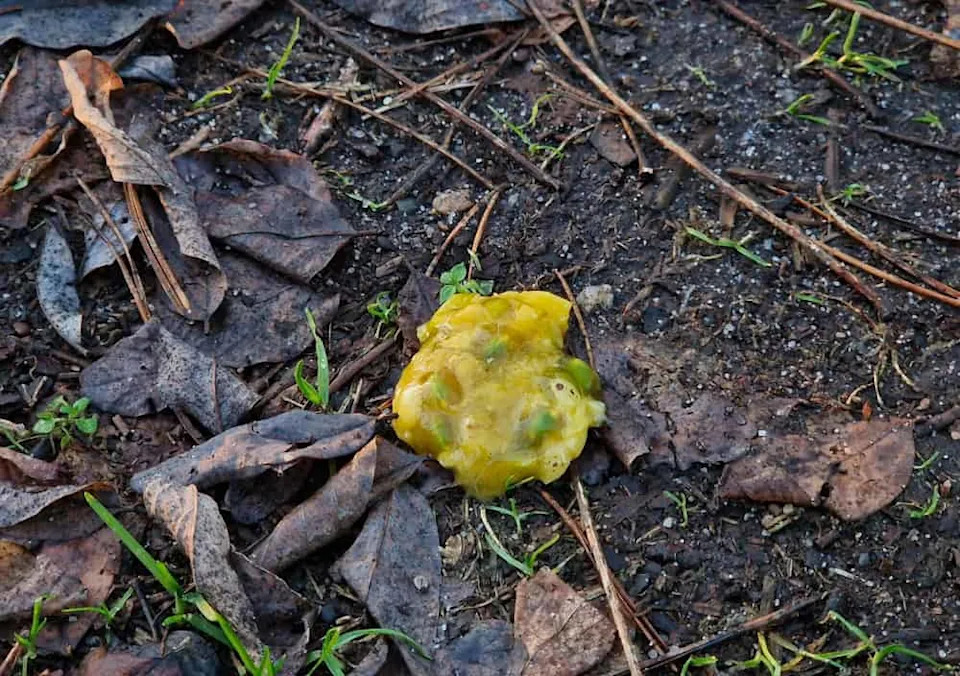
Birds spread seeds in their excrement (poop).©Beekeepx/Shutterstock.com
Key Findings
- Interactions were highly context-dependent: fruit size relative to bird size strongly influenced outcomes. Small fruits that birds could swallow were most often dispersed via endozoochory, while seeds in larger fruits tended toward predation or dispersal by stomatochory and epizoochory.
- Seeds in unripe fruits experienced higher predation and lower rates of excretion-based dispersal, likely because unripe seeds are more vulnerable or not fully viable.
- Nearly all bird species (24 of 25) showed multiple interaction types, and about 10% of individual foraging visits included more than one interaction mode.
- 50% of plant species experienced polychory; 47.5% had their seeds dispersed exclusively by stomatochory or epizoochory in the observed interactions.
- Common dispersers such as parrots, corvids, thrushes and starlings often combined endozoochory with stomatochory.
These results show that seed dispersal is a multifaceted process: the same bird can be both a seed predator and a seed disperser depending on fruit traits and context. Polychory appears to be widespread and ecologically important.
Implications
The study calls for seed dispersal research to move beyond rigid categories and to measure multiple dispersal pathways simultaneously. Understanding polychory helps explain how birds and plants coevolve and clarifies the varied roles birds play in regenerating and structuring forests.
Source: Field study summarized from A-Z Animals coverage.
Help us improve.