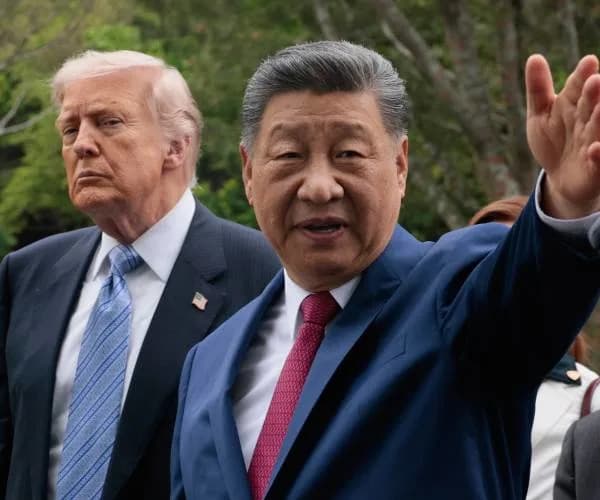
China is proceeding with a May 14–15 summit between Xi Jinping and Donald Trump amid the prolonged Iran standoff. Beijing sees the crisis as both a complication and a potential source of leverage—particularly via market access and rare-earths—while officials remain divided and cautious. Analysts disagree on whether the conflict has materially shifted long-term bargaining power between the world’s two largest economies.
How the Iran Standoff Could Shift Leverage Ahead of the Xi–Trump Summit
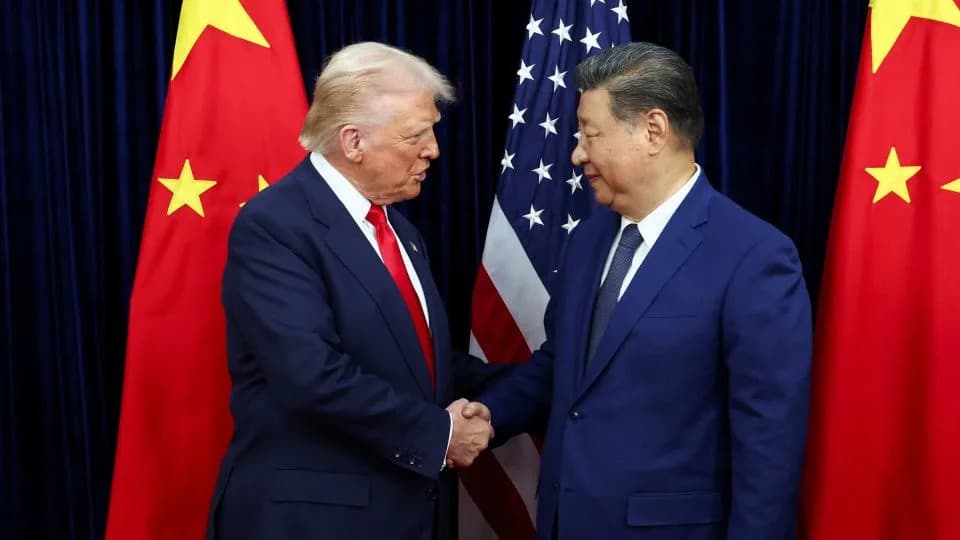
US President Donald Trump shakes hands with Chinese President Xi Jinping as they hold a bilateral meeting in Busan, South Korea, in October, 2025. - Evelyn Hockstein/Reuters/File
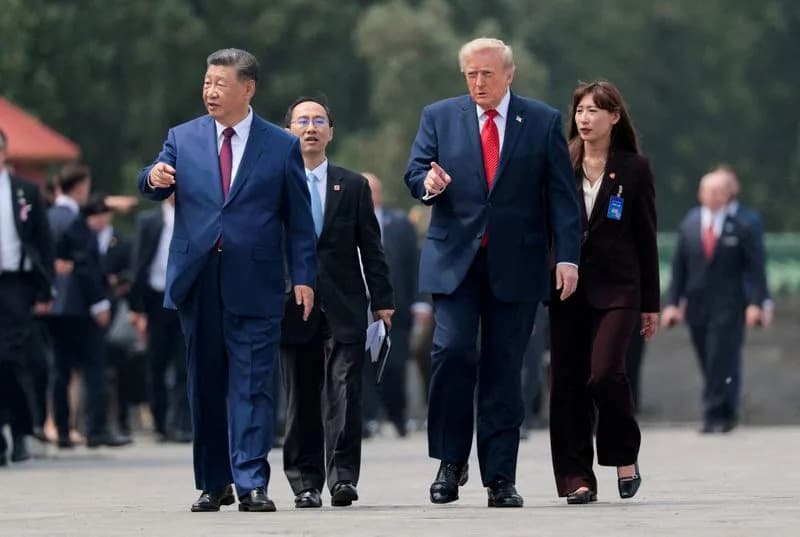
China is pressing ahead with an in-person summit between President Xi Jinping and U.S. President Donald Trump, now listed by the White House for May 14–15, despite deepening uncertainty from the months-long conflict involving Iran. Chinese officials and analysts say the standoff has complicated bilateral planning but may also have strengthened Beijing’s negotiating position—though views inside China remain split and cautious.
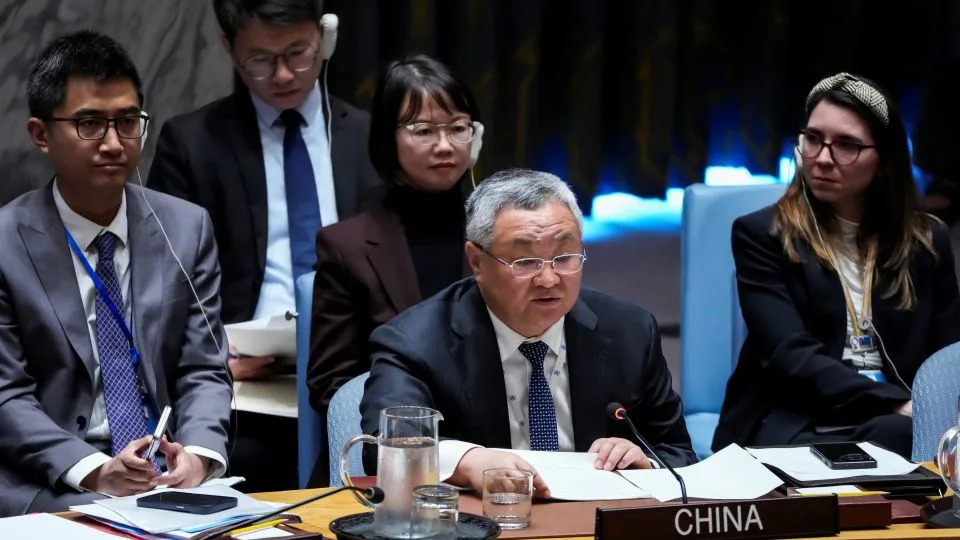
China's Permanent Representative to the UN Fu Cong addresses a Security Council meeting on maritime safety at UN headquarters in New York City, on April 27. - Eduardo Munoz/Reuters
Why the Meeting Matters
Beijing considers the summit a rare opportunity to stabilize long-term relations with its largest economic and military rival. The visit was originally intended to finalize major deals across multiple sectors, but the Iran conflict has disrupted both timing and expectations, according to former diplomats and Chinese sources.
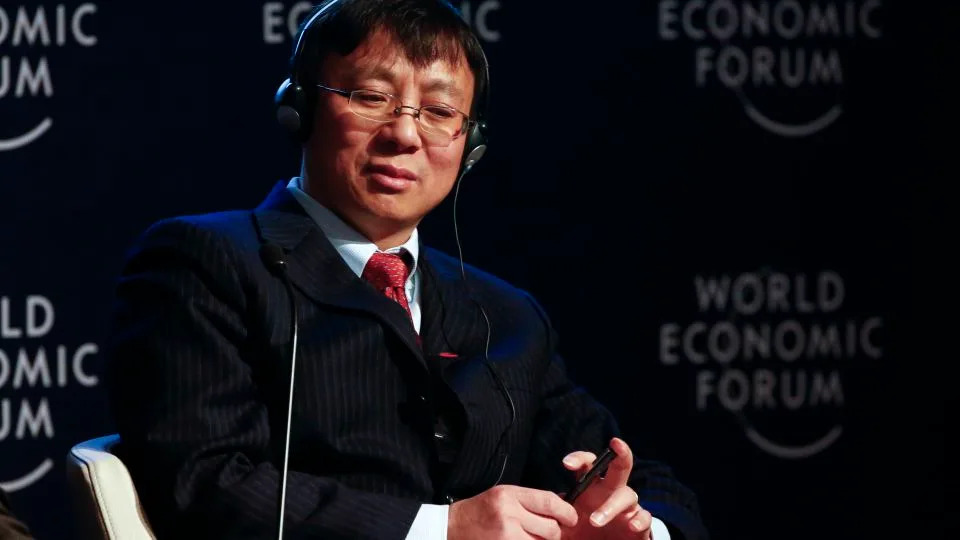
Wu Xinbo attends the session 'The Russia Outlook' in the Swiss mountain resort of Davos on January 23, 2015. - Ruben Sprich/Reuters
Strategic Concerns and Risks
Officials worry about practical and political risks: the Strait of Hormuz — through which China imports roughly one-third of its oil and gas — could be disrupted, and the optics of host-country visits during an active Middle East confrontation could be politically sensitive for China if U.S. action followed the trip. Beijing also faces a dilemma because Iran is a close partner, making any perceived abandonment politically fraught.
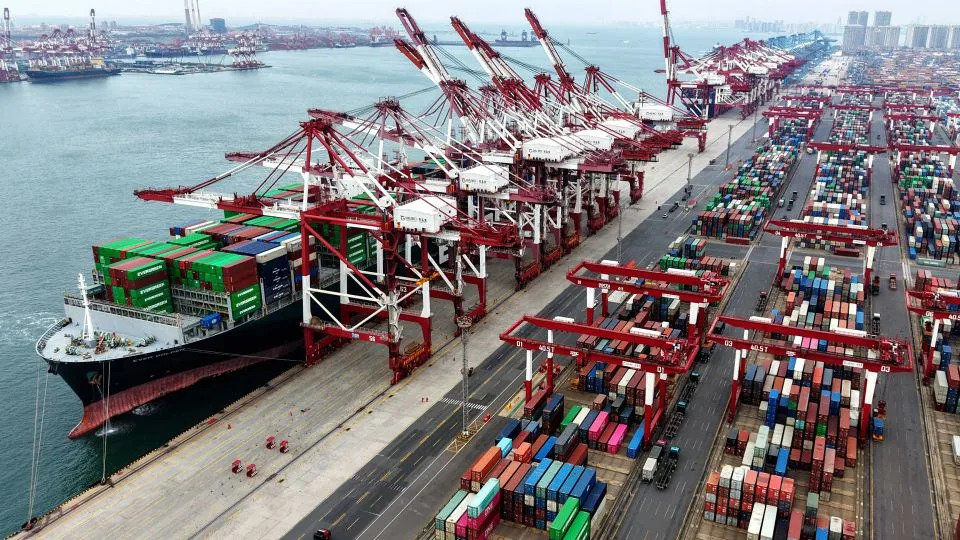
A container ship berths at the port in Qingdao, in China's eastern Shandong province on April 28, 2026. - Stringer/AFP/Getty Images
“Trump’s time in office is likely to have a lasting impact on the world order and has already fundamentally altered how the U.S. views its own interests,” said an anonymous Chinese source. “Whether his visit is successful or not will have a long-term impact on future arrangements between China and the U.S., regardless of which party is in power.”
Where Beijing Sees Leverage
Several Chinese sources and analysts say the protracted stand-off has reduced U.S. bargaining power and created openings for Beijing. China’s potential levers include its huge domestic market, planned purchases of U.S. agricultural goods and Boeing jets, and control over key elements of the rare-earths supply chain. Beijing reportedly seeks U.S. shifts on Taiwan-related language, looser restrictions on advanced tech exports, and removal of some Chinese firms from U.S. sanctions lists.

In this photo provided by the US Navy, sailors recover a high-altitude surveillance balloon off the coast of Myrtle Beach, South Carolina, on February 5, 2023. - US Navy/AP
Voices from Analysts and Officials
Cui Hongjian, a former diplomat and scholar at Beijing Foreign Studies University, said China places top priority on stabilizing China–U.S. relations, but that Iran’s centrality complicates Beijing’s calculus. Wu Xinbo of Fudan University noted that if the U.S. appeared to be losing influence in the Iran confrontation, Washington’s relative bargaining position in talks with China could be weakened.
Outside commentators are divided. Joerg Wuttke, formerly head of the EU Chamber of Commerce in China, argued Beijing has gained reputational advantage by calling for peace and appearing steady. By contrast, William Klein, a retired U.S. diplomat, said the core trade and investment levers between the two powers remain largely unchanged by the Iran conflict.
What to Watch
Key near-term flashpoints include whether a durable U.S.–Iran peace emerges before the summit, any disruptions to energy flows through the Strait of Hormuz, and the degree to which both sides can translate bargaining positions into concrete concessions. China appears to be avoiding public criticism of Trump while seeking to preserve room for negotiation.
Bottom line: The Iran standoff has injected new uncertainty into Xi and Trump’s meeting but may also give Beijing limited diplomatic and economic leverage. Whether that translates into tangible gains will depend on fast-moving developments in the Middle East and how each side manages domestic political pressures.
Help us improve.