Wales — the historic heartland of the Labour Party and birthplace of the NHS — faces a potential political upheaval as Senedd elections on May 7 threaten Labour’s 27-year hold. Rising support for Reform UK and Plaid Cymru reflects voter frustration over cost-of-living pressures, policy changes and international stances. A defeat in Wales could have major implications for Keir Starmer’s leadership and for UK politics more broadly.
Wales Faces Historic Shift: Labour’s 27-Year Stronghold at Risk

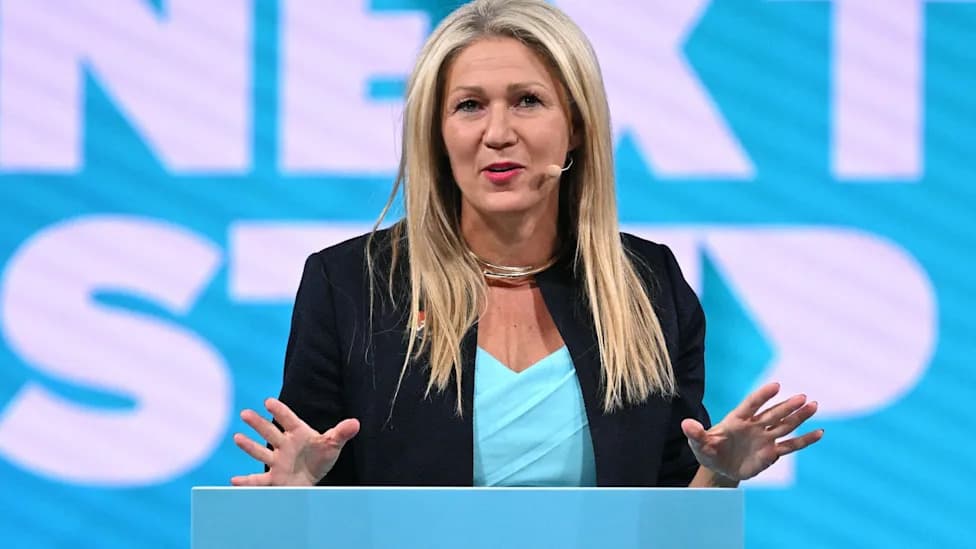
The hard-right Reform UK is tapping into anti-Labour sentiment (Darren Staples)(Darren Staples/AFP/AFP)
Wales — long regarded as the cradle of Britain’s National Health Service and a centre of industrial Britain — is facing a potentially seismic political shift as voters head to the Senedd elections on May 7. For nearly three decades Labour has led the devolved government that runs health, education and transport, but opinion polls suggest that run may be ending as Reform UK and Plaid Cymru make significant gains.
Why This Vote Matters
Labour’s dominance in Wales stretches back to the party’s founding and the early 20th century: Keir Hardie represented South Wales and Aneurin Bevan, a Welshman, helped establish the NHS in 1948. Since the Senedd was created in 1999, Labour has consistently led the Welsh government. A loss in a nation of roughly three million people would be seen as a major rebuke to Prime Minister Keir Starmer after two years in office and could intensify internal pressure on his leadership.
Voices From The Ground
Many voters who once regarded Labour as part of their family tradition now say they will look elsewhere. Ross Mumford, 59, told reporters he is backing Reform UK after becoming disillusioned by recent controversies involving senior figures in national politics. "I feel very sad that I'm not voting Labour this time," he said. Other former Labour voters cite the party's stance on international issues, such as the Gaza conflict, or local policy changes as reasons for switching to Greens, Plaid Cymru or Reform.
'Let's give them a try. What have we got to lose?' — a sentiment repeated by voters who feel mainstream parties have failed to address everyday economic pressures.
Local Campaign Themes
Across Wales, local concerns are playing a key role: unemployment and deprivation in post-industrial towns, disputes about heating subsidies for older residents, opposition to onshore wind farms and debate over net-zero targets, and worries about irregular immigration. Parties are tailoring messages to these local priorities. In Merthyr Tydfil and Pontypridd — both former Labour heartlands — Reform and Plaid campaigners report picking up disaffected voters.
What Could Happen Next
Polls indicate the contest is competitive and a new voting system adds uncertainty to how votes will translate into seats. Labour candidates warn that no single party is guaranteed a majority and that the narrative of an outright collapse may be premature. Still, political analysts warn that a significant defeat in Wales would have reverberations in Westminster and could prompt renewed debate about Starmer’s leadership.
Expert view: Laura McAllister, a politics expert at Cardiff University, said a loss for Labour in Wales 'will pose enormous problems for the party' and could trigger wider consequences for national politics.
Whatever the outcome, the May 7 vote will be closely watched as an indicator of broader voter sentiment in the UK and as a test of whether long-standing political loyalties in Wales are changing for good.
Help us improve.