Marc Thiessen, a former Bush speechwriter and Washington Post columnist, has become an influential hawkish voice in Donald Trump’s foreign-policy circle, particularly on Ukraine and Iran. Reportedly, his private calls and columns helped persuade Trump to maintain U.S. support for Ukraine despite pressure from isolationist Republicans. Thiessen’s rise reflects a broader shift from anti-interventionist media figures toward pro-war advisers and underscores how access to the president can amplify pundits’ policy impact.
How Marc Thiessen and Fox’s Hawks Returned to Trump’s Inner Circle
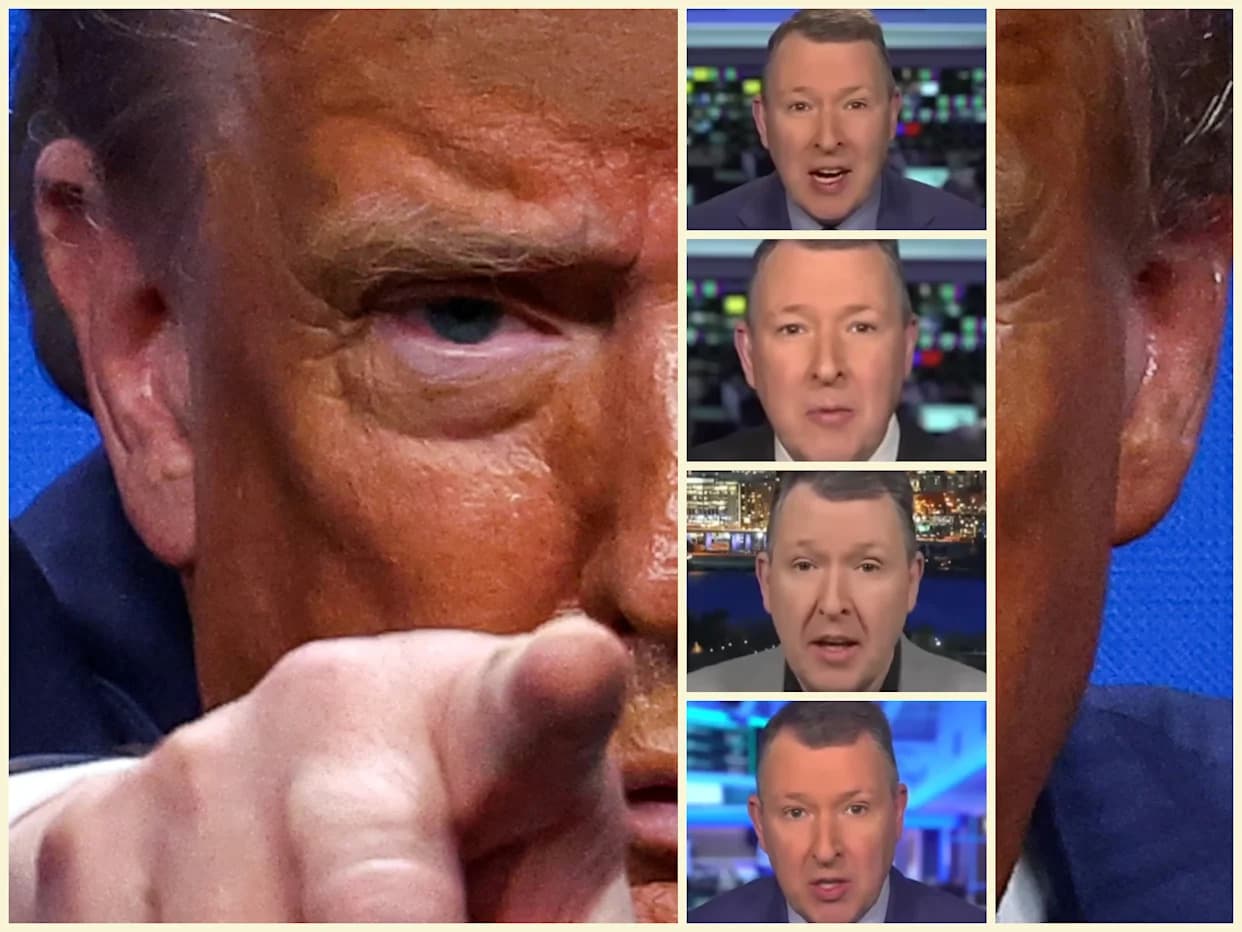
Marc Thiessen, a 59-year-old former Bush speechwriter and Washington Post columnist, has re-emerged as a prominent influence on Donald Trump’s foreign-policy thinking. Best known for defending controversial elements of the George W. Bush era — including the Iraq War and the administration’s interrogation policies — Thiessen has become a go-to hawkish voice as Trump adopts a more interventionist posture on Ukraine and Iran.
People familiar with internal discussions at The Washington Post say that Post opinion editor Adam O’Neal relayed that Thiessen’s private calls with Trump helped persuade the president to sustain U.S. support for Ukraine despite pressure from some Republicans and elements inside the administration to seek a quick settlement with Russia. Thiessen has also told colleagues he believes his columns have shaped Trump’s thinking on the conflict.
From Isolationism To Intervention
Trump’s media circle has shifted away from influencers who praised his past efforts to withdraw U.S. forces — figures such as Joe Rogan and Tucker Carlson — and toward advisers and pundits associated with the wars of the Bush era. Alongside Thiessen, Fox-aligned hawks like Mark Levin and Gen. Jack Keane have resurfaced as influential voices advocating a tougher posture toward Iran and a more muscular policy on Ukraine.
Thiessen has publicly praised several of Trump’s moves. On television and social media he has suggested sources indicate Trump is determined to see the U.S. military campaign against Iran through, called Trump’s maritime actions versus Iran “genius,” and argued that victory in that confrontation is attainable if the president remains steady. He has also floated provocative ideas — from nominating Trump for a Nobel Peace Prize to proposing a U.S.-assisted barrier on the Russia–Ukraine border — that reflect a distinctly hawkish, Trump-friendly approach.
Access, Optics And Internal Friction
Thiessen’s access to Trump predates this year’s Iran crisis. Last year, the president invited Thiessen and his wife to dinner at the White House; Thiessen has recounted that, after a phone call, Trump complimented the attractiveness of his wife. Thiessen did not respond to multiple requests for comment for this article; spokespeople for The Washington Post, the White House and Fox declined to comment.
Within The Washington Post, reactions to Thiessen’s prominence are mixed. Management sees value in having a columnist with presidential ear as part of a revamped opinion page that has repositioned toward a more centrist, pro–free-market stance under new editorial guidelines. But some staffers privately grumble that certain Thiessen pieces feel written less for a broad readership than for “one reader in particular.”
“A MAGA supermajority supports Trumpian U.S. world leadership,” Thiessen wrote in a December column, framing his arguments as a rebuttal to what he calls “neo‑isolationism.”
That framing has practical effects beyond the Post. According to a former Biden White House official, when Thiessen argued that sending arms to Ukraine was boosting U.S. manufacturing, the Biden team circulated the column to help persuade skeptical Republicans to support additional aid.
What This Signals
Thiessen’s rise—alongside other hawks—signals a broader realignment inside Trump’s information diet: a renewed reliance on legacy conservative voices who favor a stronger U.S. role abroad. For Trump’s coalition, it marks both a narrowing of trusted media figures (many newer online stars have drifted away) and a reminder that the president places outsized value on endorsements from established outlets and pundits he believes influence public opinion.
Whether Thiessen’s influence endures will depend on how Trump’s policies play out and which voices prove persuasive as events unfold. For now, the former Bush speechwriter stands as a visible example of how media access and presidential favor can reshape policy debates at the highest level.
Help us improve.