Lord Julian Hunt, former director-general of the UK Met Office (1992–1997) and Emeritus Professor of Climate Modelling at UCL, has died aged 84. His research on turbulence and dispersion demonstrated human impacts on climate and informed practical urban design, including advice on Canary Wharf station. As Met Office head he restructured the agency, boosted hurricane forecasting with supercomputers and promoted international data sharing and disaster warnings. He co-founded CERC, chaired advisory bodies on fusion and environmental modelling, and served in the House of Lords from 2000 to 2021.
Lord Julian Hunt, Influential Met Office Chief and Climate Scientist, Dies Aged 84
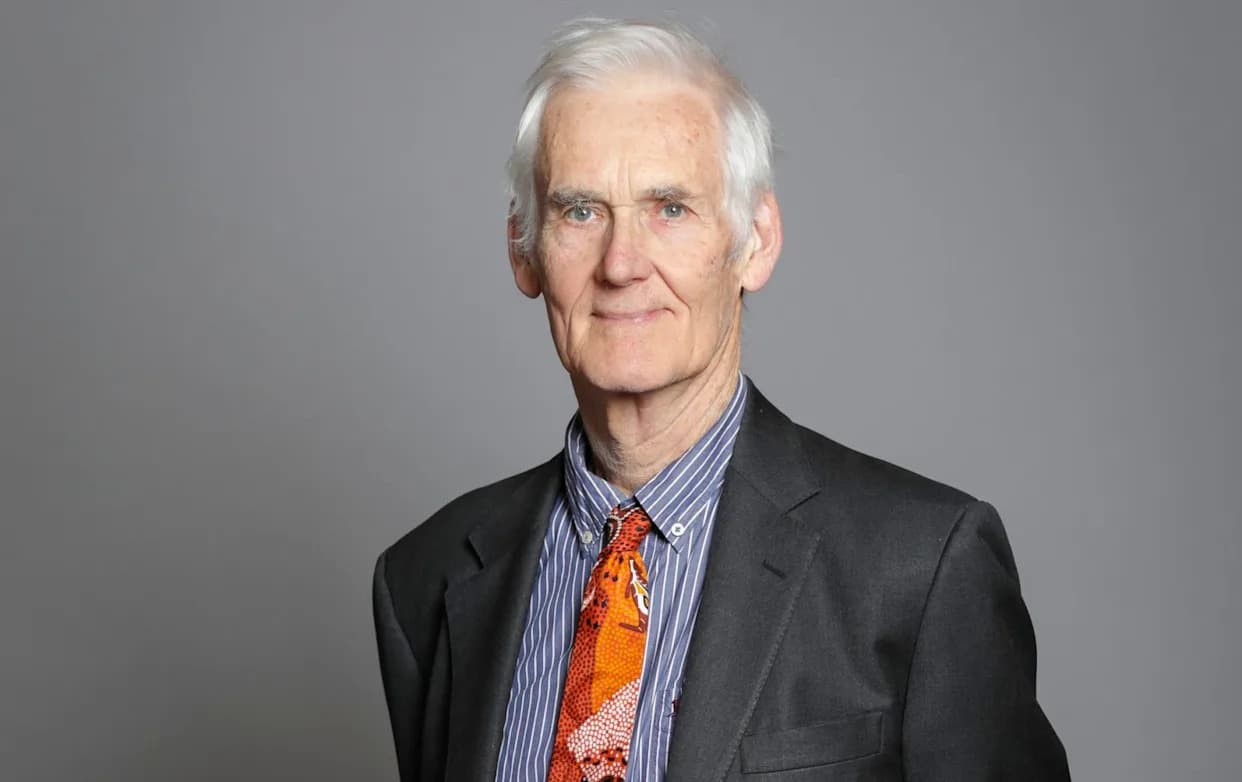
Julian Hunt’s official parliamentary portrait
Lord Julian Hunt of Chesterton, a leading atmospheric scientist who served as director-general of the UK Met Office from 1992 to 1997 and later as Emeritus Professor of Climate Modelling at University College London, has died aged 84 (born 5 September 1941; died 20 April 2026).
Career and Leadership at the Met Office
As director-general Hunt restructured the Met Office, converting it into a Trading Fund of the Ministry of Defence in 1996 so the agency could manage its own finances and earn revenue while remaining publicly owned. He strengthened climate research, championed the use of supercomputers and oversaw major improvements in forecasting extreme events — notably increasing the accuracy of hurricane track and position predictions.
Research, Impact and the Built Environment
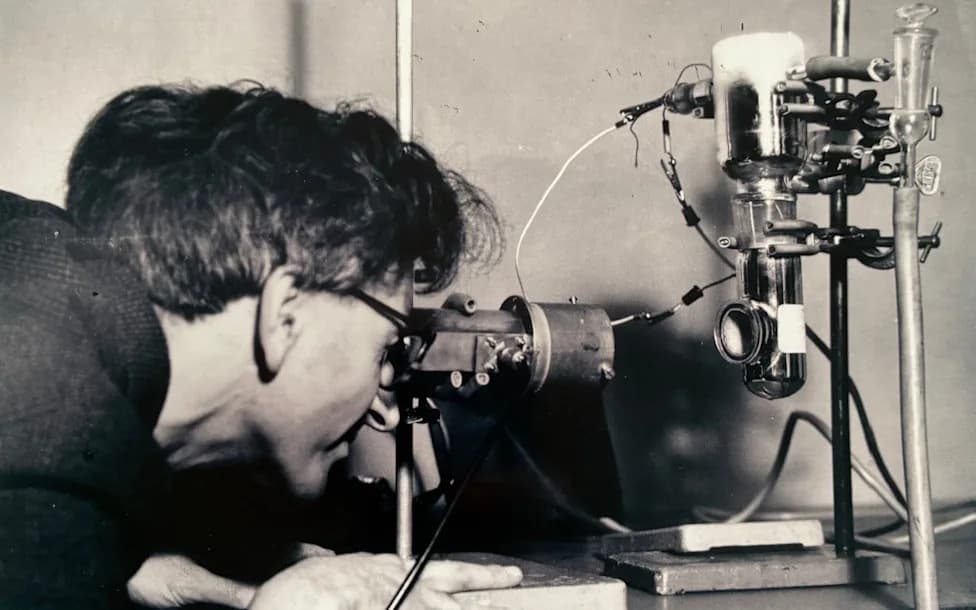
Hunt’s research on turbulence and atmospheric dispersion demonstrated the influence of human activity on climate and informed practical design decisions. His work with colleagues including George Batchelor and Keith Moffatt contributed to Rapid Distortion Theory, used to model wind forces on tall buildings and pollutant dispersion — famously advising that Canary Wharf station be roofed to protect passengers from turbulence caused by surrounding skyscrapers.
“He had a gift for identifying important problems and teasing out mathematical solutions that delivered both insight and practical forecasts,” said Prof Stephen Belcher, now Chief Scientist at the Met Office.
Academia, Industry and International Engagement
In 1985 Hunt co-founded Cambridge Environmental Research Consultants (CERC), which develops environmental software and air-pollution models used by government and industry; he chaired CERC from 2001. He also chaired the advisory board of Tokamak Solutions, which works on small spherical tokamaks, and in 2011 the company signed a contract with the ITER programme to advise on neutron-diagnostics and fusion power.
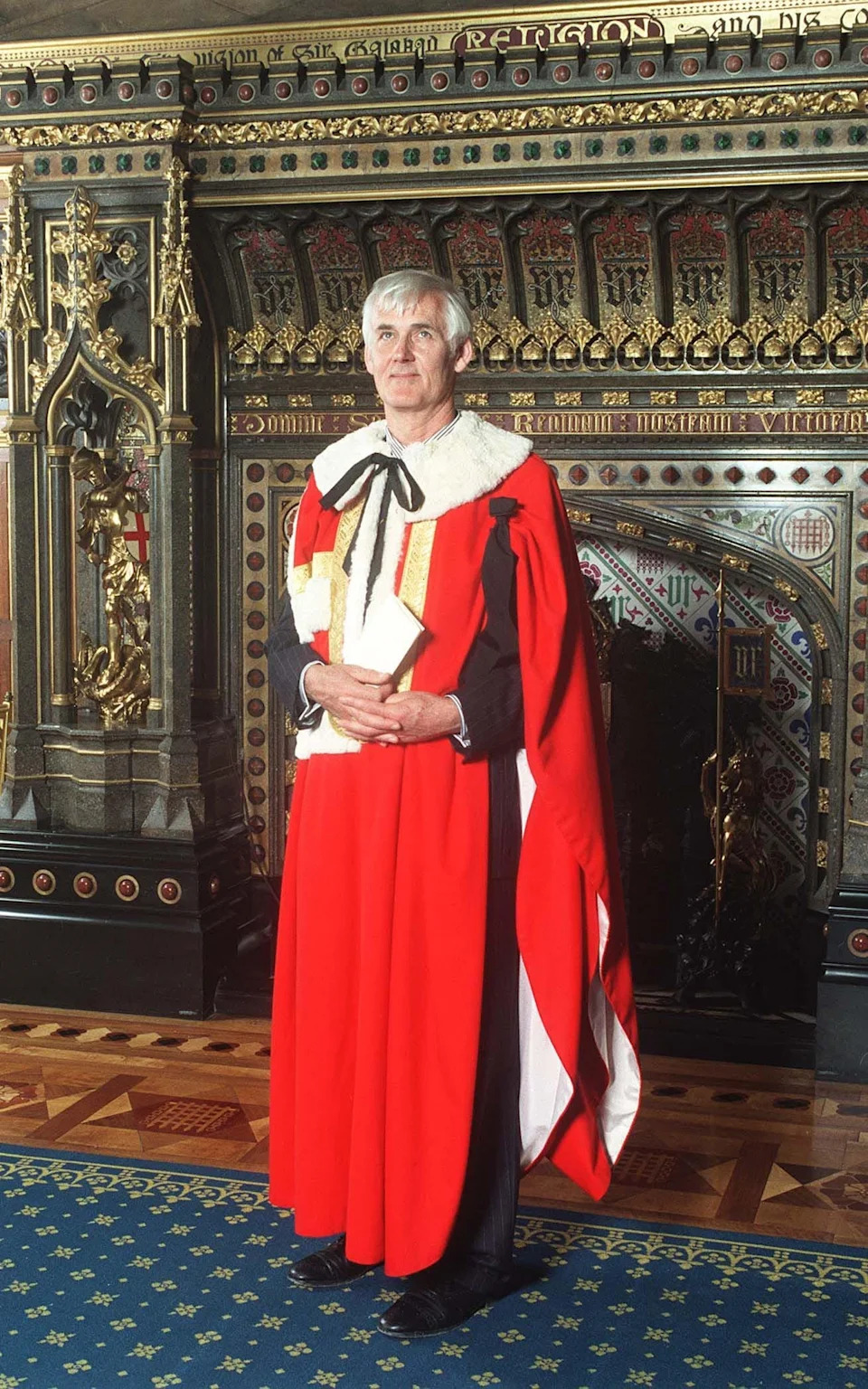
He was created a life peer in 2000 - Photoshot / Avalon
Hunt worked through the World Meteorological Organization to improve international disaster warnings, promote freer data exchange and encourage collaboration between national meteorological services. He represented the UK at international forums, including the 1994 UN conference on disaster reduction and Habitat II in 1996.
Public Life and Honors
Appointed a Labour life peer by Tony Blair in 2000, Lord Hunt spoke in the House of Lords on environmental development, open scientific collaboration and related select committees until 2021. He was appointed Companion of the Bath (CB) in 1998 and elected a Fellow of the Royal Society in 1989.
Early Life and Education
Born on 5 September 1941, Hunt was the son of Roland Hunt and Pauline Garnett. Educated at Westminster School, he took a First in Mechanical Sciences at Trinity College, Cambridge (1963) and earned a PhD in 1967 on magnetohydrodynamics and instabilities. An early influence was his great-uncle Lewis Fry Richardson, a pioneer of numerical weather prediction.
Later Roles, Writing and Legacy
After leaving the Met Office he lectured internationally, chaired Project Tsunami's scientific committee, and held chairs and visiting positions at Cambridge, UCL, Delft and Hong Kong University. In semi‑retirement he wrote regularly for national outlets on climate change, nuclear energy and international security. His career bridged academia, government and the private sector, leaving a significant scientific and practical legacy in meteorology and environmental modelling.
Family: He married Marylla Shephard in 1965. She survives him, as do their children: Sir Tristram Hunt (historian, former Labour MP and director of the Victoria & Albert Museum), Matilda (a medical doctor) and Jemima (journalist and novelist).
Help us improve.