UK Prime Minister Keir Starmer told the BBC that some pro‑Palestine marches could be banned and that chanting "globalise the Intifada" should be subject to prosecution. Metropolitan Police warned those using the phrase may be arrested. The comments follow a series of antisemitic incidents, including stabbings in Golders Green, and come amid criticism that police have been heavy‑handed in policing pro‑Palestine demonstrations.
Starmer Proposes Bans on Some Pro‑Palestine Marches Over 'Globalise the Intifada' Chant
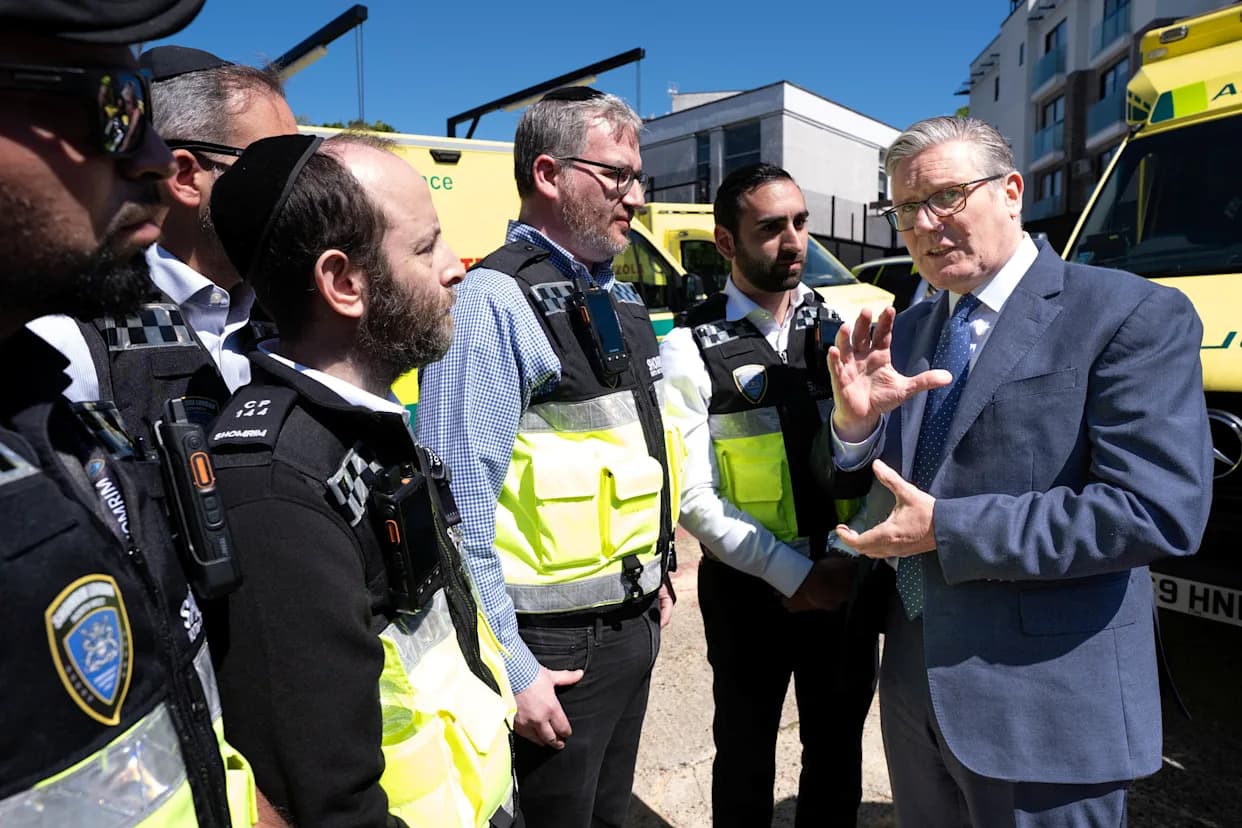
British Prime Minister Keir Starmer meets first responders during a visit to Golders Green, northwest London, following an attack in which two men were stabbed, on April 30, 2026 [Stefan Rousseau/Pool via Reuters]
British Prime Minister Keir Starmer has said certain pro‑Palestine demonstrations could be banned and that people who chant the slogan "globalise the Intifada" may face prosecution. The comments, made in a BBC interview, come amid heightened tensions after a recent spate of antisemitic incidents and large-scale pro‑Palestine rallies in the UK.
What Starmer Said
Starmer said he is a "big defender of freedom of expression, peaceful protests," but added that chants calling to "globalise the Intifada" are "completely off limits." In the interview he argued for "tighter limits on language at demonstrations" and said that in some cases it would be appropriate to prohibit rallies altogether.
"I'm a big defender of freedom of expression, peaceful protests. But when there are chants like 'globalise the Intifada', that's completely off limits." — Keir Starmer, BBC interview
Police Response
Starmer said he had been in discussions with police about additional measures. Metropolitan Police Commissioner Sir Mark Rowley told the BBC that people using the chant are "likely to be arrested," underscoring a tougher policing approach to potentially incitatory language at protests.
Context: Attacks, Security And Protests
The remarks follow a series of antisemitic incidents, including an attack this week in which two men were stabbed in Golders Green, a north London suburb with a large Jewish community. A 45‑year‑old British national born in Somalia was remanded in custody after appearing in court on attempted murder charges.
Starmer visited the site of the stabbings and a Jewish volunteer ambulance service, where some local residents booed him and accused the government of not doing enough to protect their community. The UK raised its national security threat level to "severe" — the second highest tier — citing in part the Golders Green attack.
Criticism And Protests
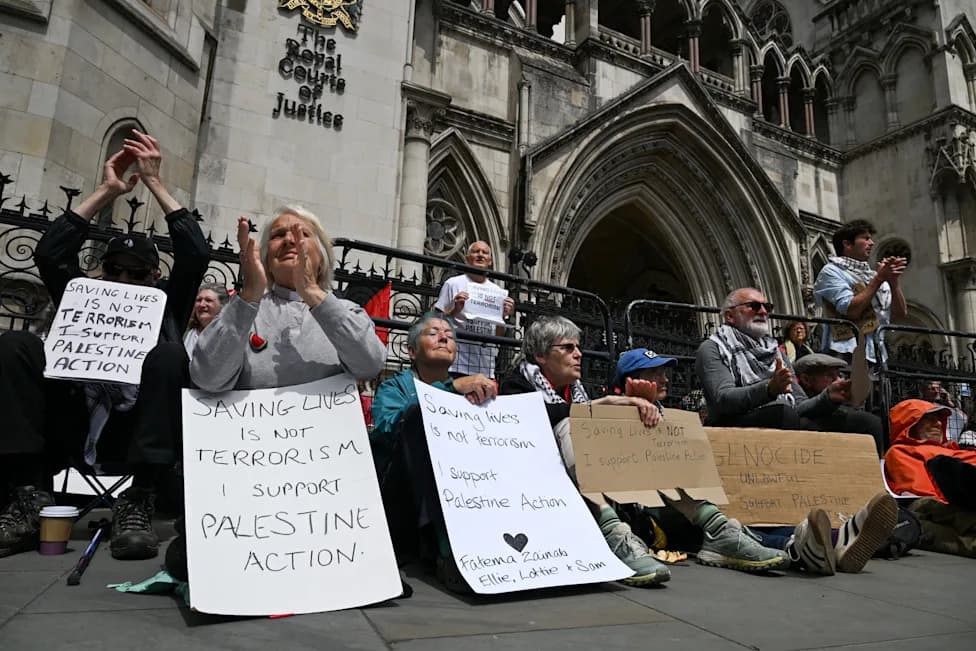
Critics have accused authorities of heavy‑handed policing of pro‑Palestine activism during the conflict in Gaza; last month London police arrested more than 500 people during a large central London vigil connected to the ban on the campaign group Palestine Action. Supporters of the slogan say it is a call to expand the pro‑Palestine movement internationally. Commentators and civil liberties groups warn that measures restricting protest language must be carefully balanced against free‑speech protections.
What This Means
The debate raises questions about where the line should be drawn between protecting communities from incitement and upholding the right to peaceful protest. Government and police officials are signaling they will take tougher action against language deemed to promote violence, while critics say enforcement risks curbing legitimate dissent.
Help us improve.