The White House named Steve Witkoff, a New York real estate developer with no diplomatic background, as a lead envoy to Iran. Witkoff reportedly discussed a verification plan to permit limited uranium enrichment for civilian uses similar to past U.S. agreements. President Trump later rejected the reported offer on-air, saying “I'm not giving them anything,” creating a public contradiction that casts doubt on U.S. negotiating credibility.
Trump Publicly Rejects Proposal From His Own Iran Envoy, Raising Credibility Questions
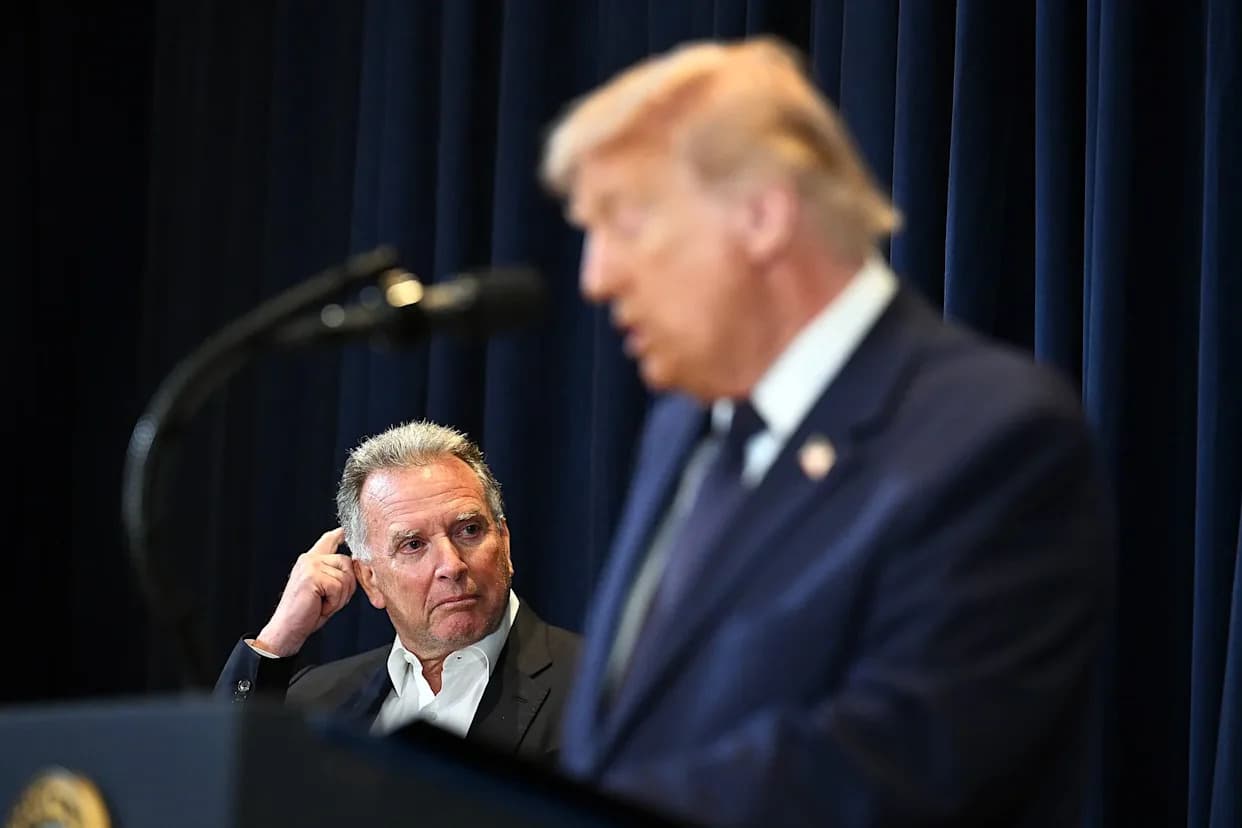
Middle East special envoy Steve Witkoff listens to President Donald Trump speak to reporters on March 9, 2026, at Trump National Doral Miami in Florida.(Roberto Schmidt / Getty Images)
President Trump dispatched Steve Witkoff — a New York real estate developer with no formal diplomatic experience — as a senior U.S. interlocutor with Iran months ago. Witkoff has reportedly met with Iranian officials, including sessions last year, and described a plan to create a verification framework that would allow Iran to perform very limited uranium enrichment for civilian purposes such as medical isotopes.
A Proposal Similar To Past Deals, Then Disavowed
The proposal Witkoff described resembles elements of the Obama-era nuclear agreement, which permitted constrained enrichment under strict monitoring and verification. According to public comments, the idea was to allow low-level enrichment for peaceful, civilian uses while ensuring robust oversight to prevent weaponization.
Public Contradiction
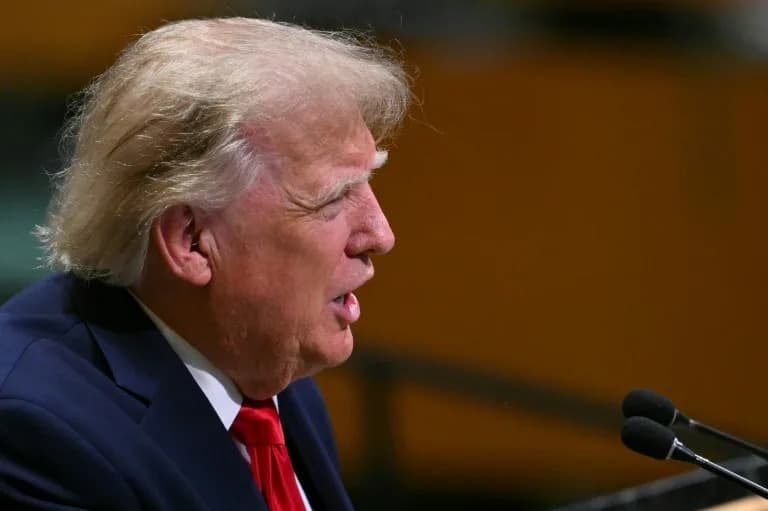
On a Newsmax interview with Greta Van Susteren, the president was informed of Witkoff's account of the negotiations. Mr. Trump reacted as if unaware of the reported offer and publicly rejected it, saying in effect that he would not approve such concessions.
“Maybe it wasn't a very serious offer because I wouldn't have approved that,” the president said. “I'm not giving them anything. I wouldn't have approved that.”
Put plainly: a politically connected private citizen was used as an envoy; that envoy reportedly floated a specific verification-based approach to limited enrichment; and the president later disavowed the concept. The episode highlights a broader pattern of mixed signals that critics say undermines confidence in the administration's Iran policy.
Practical and Diplomatic Implications
From Tehran's perspective, the sequence creates obvious problems. Negotiators who distrust the United States now must weigh proposals from a U.S. representative who lacks traditional diplomatic credentials — and then confront public rejection of those same ideas by the president. That dynamic makes it harder to build the mutual trust and predictability needed for verifiable agreements.
Whether by design or from disorganization, the public contradiction raises a central question: how can Iran and the United States reach a durable, verifiable deal if proposals are publicly undermined by the president himself?
Help us improve.