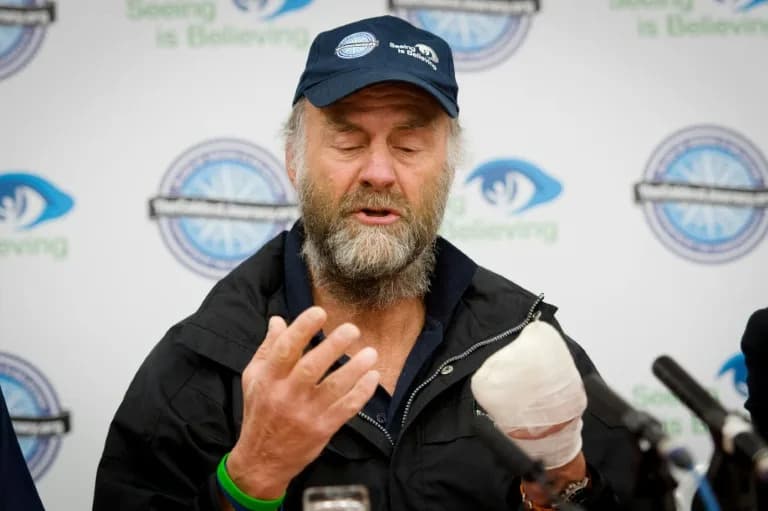
Bernie Sanders is actively influencing Democratic primaries in several swing states, endorsing progressive challengers and campaigning for Peggy Flanagan in Minnesota and Abdul El‑Sayed in Michigan. His early support helped Graham Platner gain ground in Maine after Gov. Janet Mills withdrew. Sanders frames these interventions as a battle against establishment, big‑money politics, and is urging party leaders to stay neutral — a move that has created friction inside the Democratic caucus. Republicans view some progressive nominees as easier general‑election targets and are preparing targeted fall strategies.
Sanders Intensifies Push for Progressive Senate Nominees in Swing States

Bernie Sanders is actively shaping competitive Democratic primaries, campaigning for progressive challengers in several states he and his allies view as critical to winning — or retaining — control of the U.S. Senate.
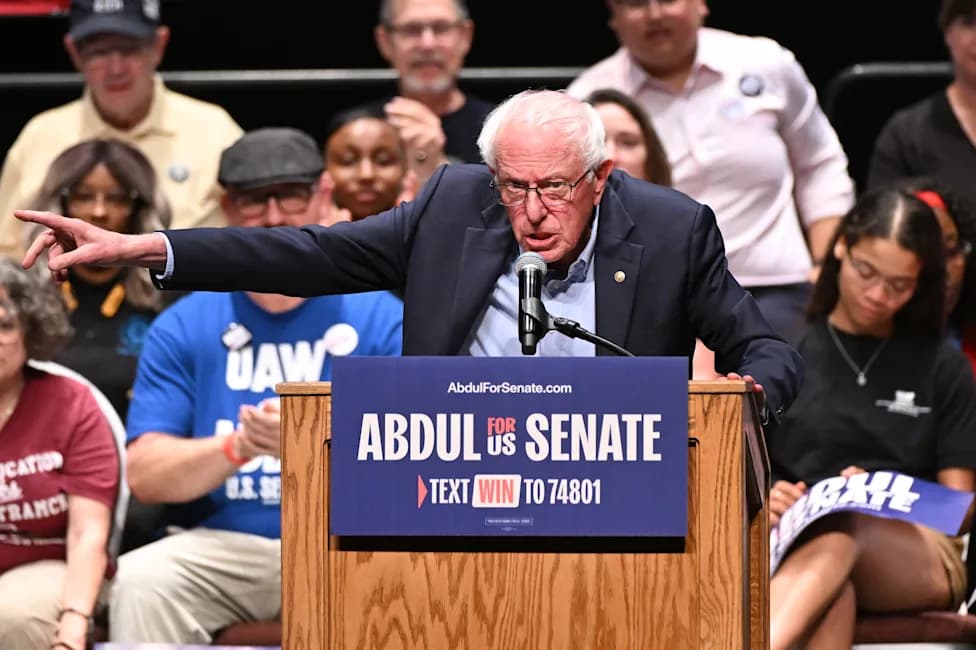
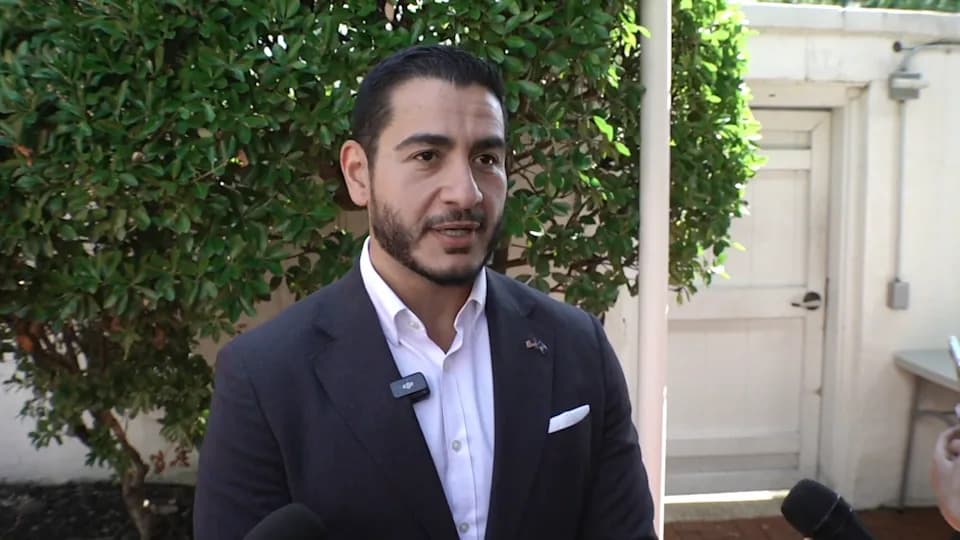
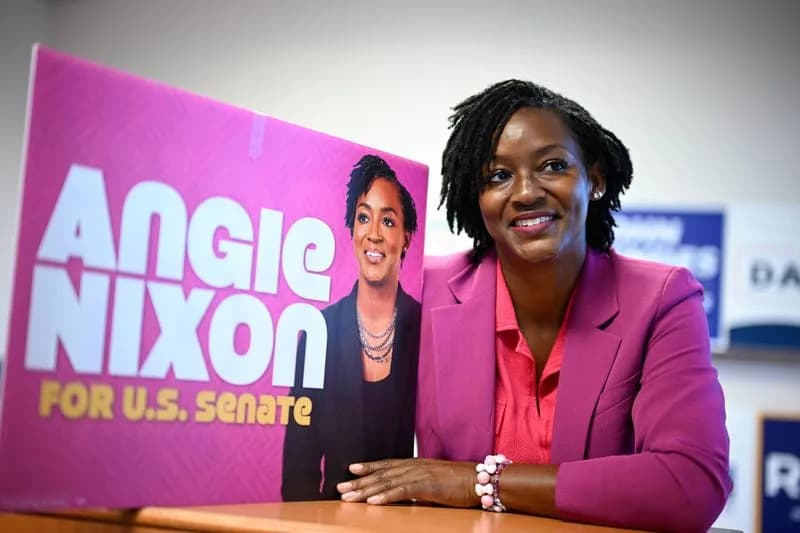
Sanders’s early endorsement of Graham Platner helped shift momentum in Maine after Gov. Janet Mills withdrew, and the Vermont independent is now traveling to stump for Minnesota Lt. Gov. Peggy Flanagan and Michigan progressive Abdul El‑Sayed. Those appearances underline his wider strategy of backing insurgent progressives against more centrist Democrats in high-stakes contests.
What Sanders Says
In a recent interview, Sanders framed Mills’s withdrawal as part of a broader political change: that voters are tired of "status quo" politics that favor the wealthy. He praised Platner as "standing up to big money and fighting for the working class," and said that contesting establishment influence is central to his endorsements.
"It’s a question of establishment folks who work with the moneyed interests in status quo politics versus those of us who stand with working families and understand the status quo is not working," Sanders said.
Party Tensions And Strategic Stakes
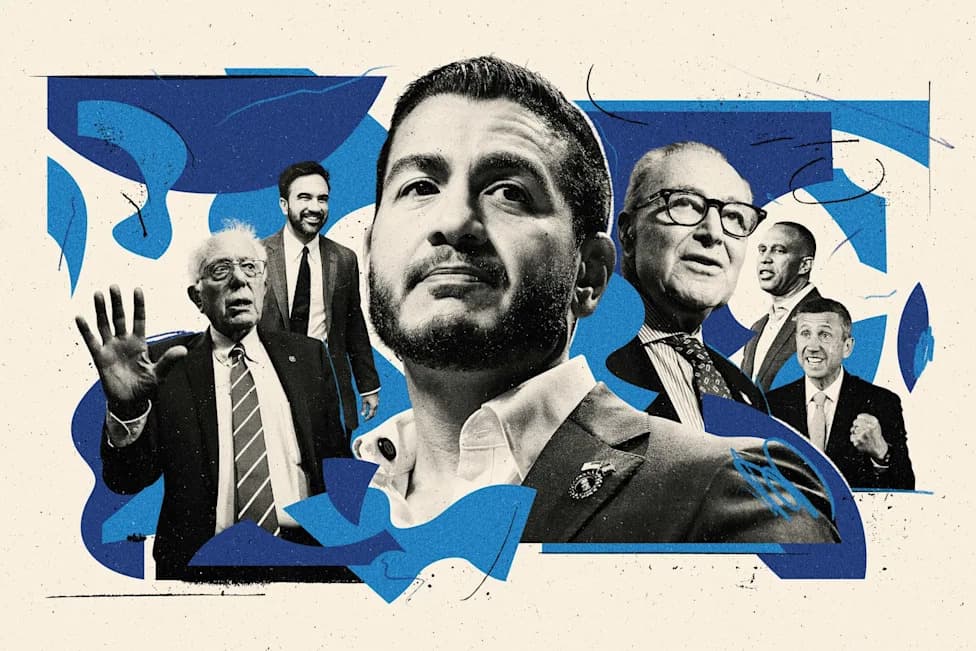
Senate Minority Leader Chuck Schumer and the Democratic Senatorial Campaign Committee have quietly signaled a preference in Michigan for Rep. Haley Stevens, while progressives believed party leaders favored Rep. Angie Craig in Minnesota and urged leadership not to intervene. Sanders is among several Senate Democrats openly endorsing in contested primaries and asking party leaders to stay neutral — a stance that has irritated some colleagues who see it as a double standard.
Republicans view some progressive nominees as more beatable in a general election. GOP strategists hope an El‑Sayed nomination in Michigan would improve their chances against former Rep. Mike Rogers, and the National Republican Senatorial Committee chair, Tim Scott, said Republicans feel competitive in Michigan and see Minnesota as potentially winnable under the right conditions. Republicans have not won a Senate race in Michigan since 1994 or in Minnesota since 2002.
Other Races And Next Steps
Sanders is also intervening in a House primary, planning to back Brian Poindexter in Ohio’s 7th District primary. Meanwhile, Republicans are preparing aggressive fall campaigns targeting Platner in Maine.
With control of the Senate potentially hinging on results in Michigan and Minnesota, these primaries could determine whether Democrats keep a path to a majority — making Sanders’s interventions both politically significant and controversial within his own party.
Help us improve.