Quick Take: President Trump has promised a surge in so-called 'Exquisite Class Weaponry' after a March meeting with defense contractors, but The New York Times reports the administration lacks the congressional funding and finalized contracts to deliver that expansion. Ongoing operations have already drained critical missile stockpiles, and even with new funding a meaningful production surge would take years to implement. Political opposition in Congress further complicates rapid action.
Funding Shortfall and Depleted Stockpiles Undercut Trump’s 'Exquisite Class Weaponry' Promise

Pool / Getty Images(Pool)
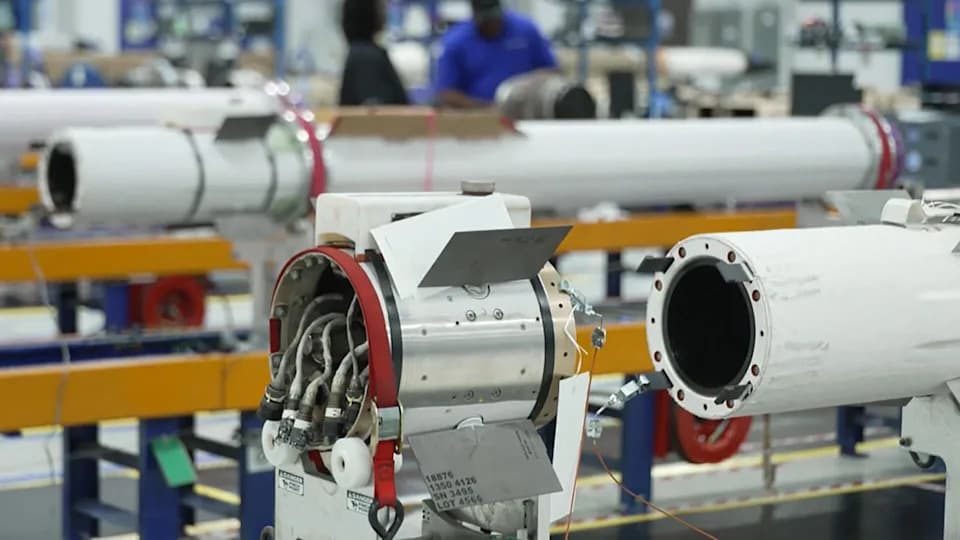
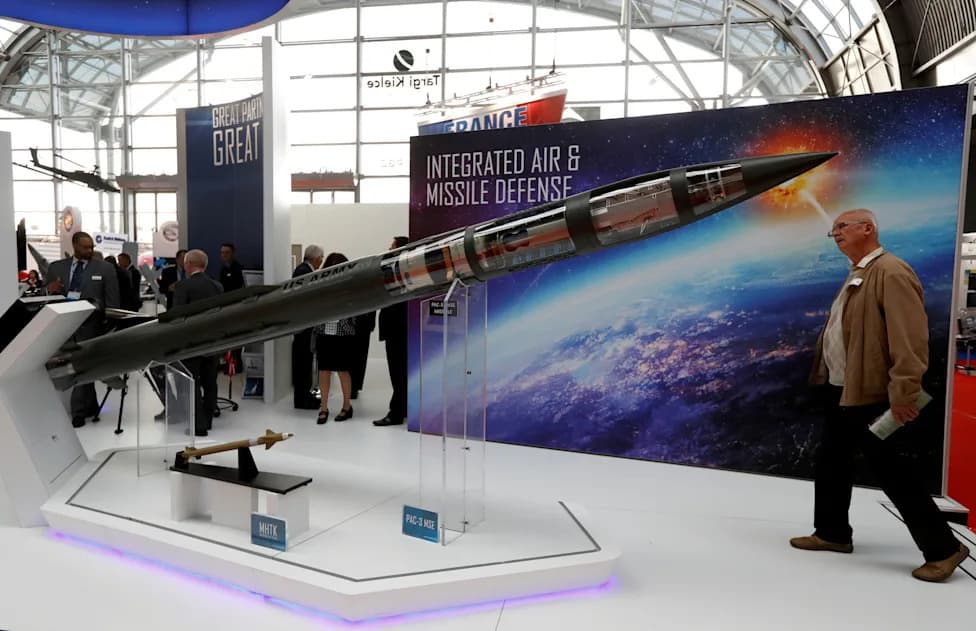
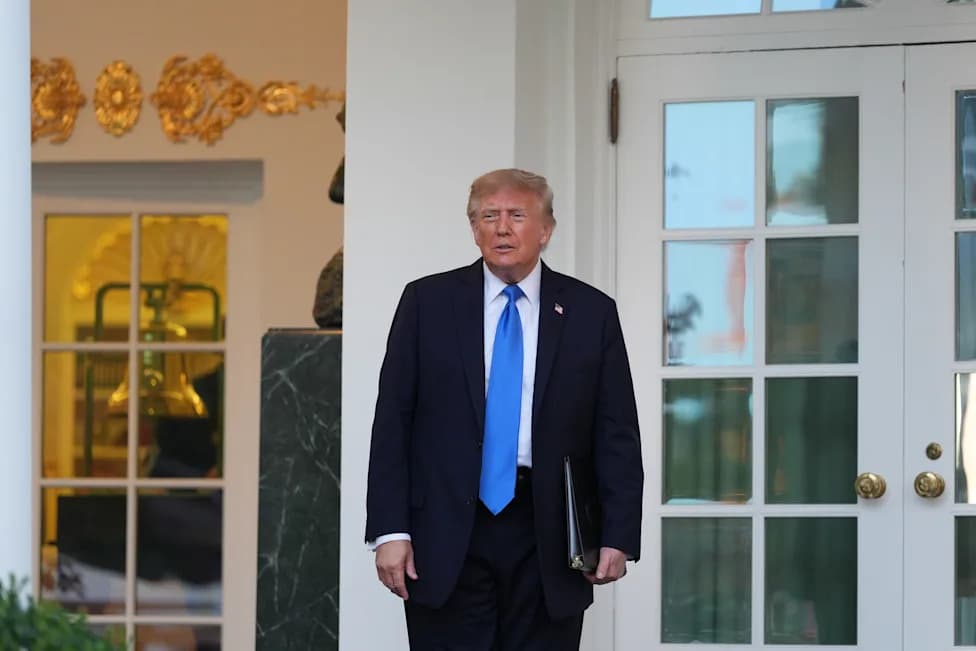
President Donald Trump has touted a new era of what he called 'Exquisite Class Weaponry' and claimed that six major defense contractors agreed to 'quadruple production' after a March White House meeting. But reporting from The New York Times and statements from Pentagon and congressional sources show two major obstacles: the administration lacks both the congressional backing and the funding needed to make that rapid expansion real, and current munitions shortfalls mean many systems cannot be produced or fielded quickly.
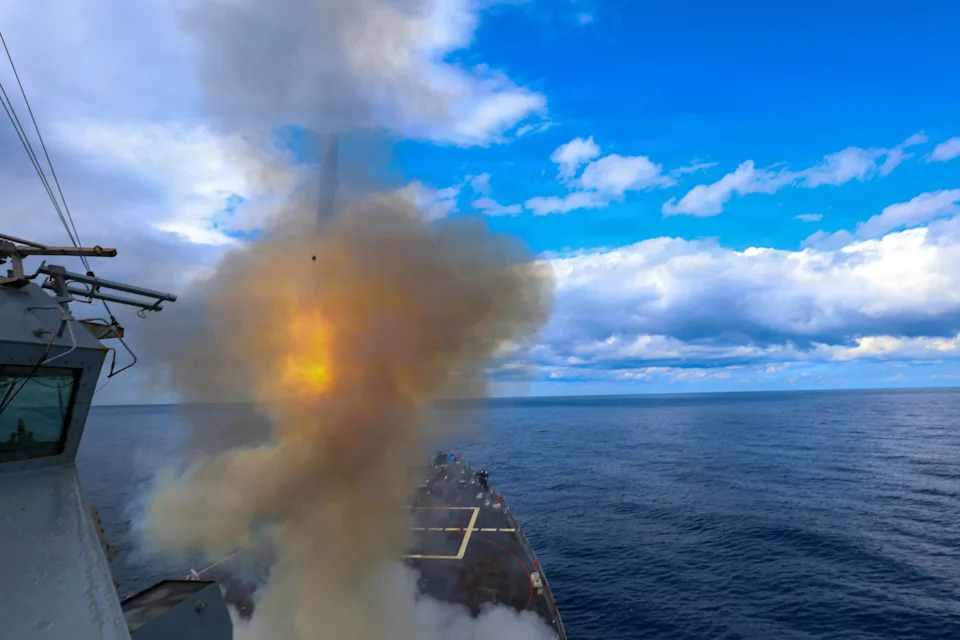
A Pentagon estimate this week put the cost of Trump’s Iran war so far at $25 billion. / U.S. Navy / Getty Images
Funding and Contracts Still Unresolved
After the March meeting, the White House announced 'framework agreements' with companies including Lockheed and RTX aimed at dramatically increasing output of missile-defense and long-range strike systems. Some production lines were reported to be set to double or even quadruple. However, none of these framework agreements has been converted into finalized contracts, and the Pentagon has not yet received the congressional appropriations that would be required to place large-scale orders.

Defense Secretary Pete Hegseth appealed for more cash before the Senate Armed Services Committee. / Ken Cedeno/Reuters
Stockpile Strain From Ongoing Operations
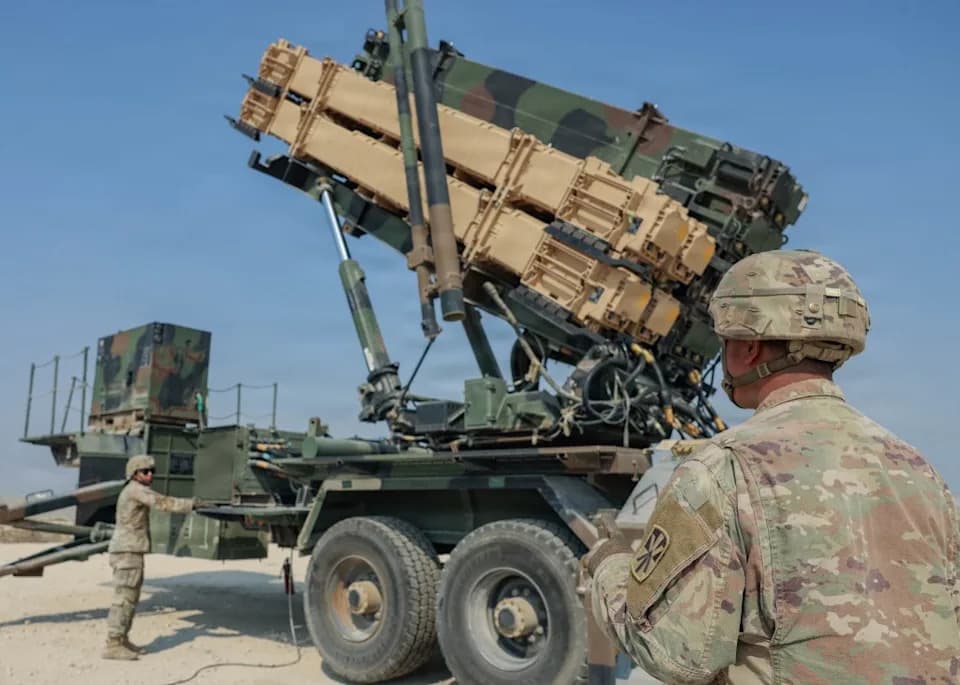
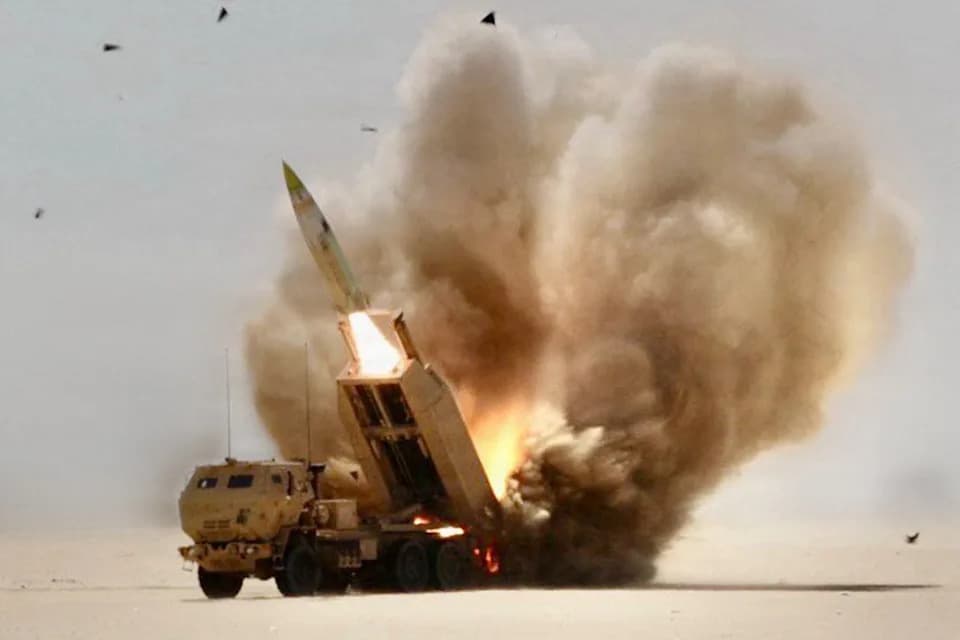
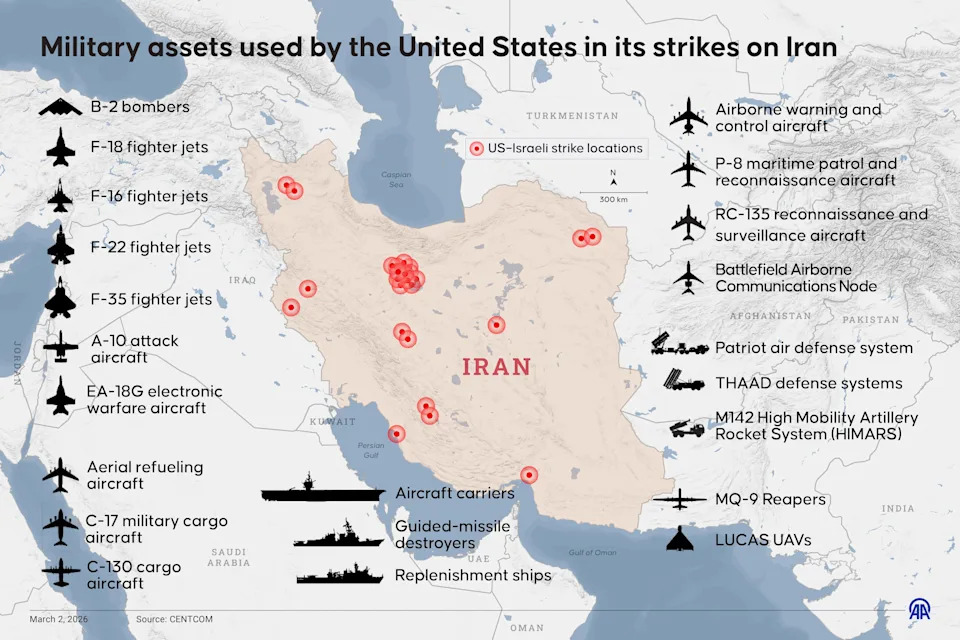
Shortages are urgent. Since the launch of what has been called 'Operation Epic Fury' on Feb. 28, U.S. forces reportedly launched more than 1,000 Tomahawk cruise missiles—roughly ten times the annual purchase rate—along with over 1,200 Patriot interceptors (each costing more than $4 million) and more than 1,000 Precision Strike and ATACMS ground-launched missiles, according to prior New York Times analysis. Those operations have depleted key inventories, including near-total exhaustion of long-range stealth cruise missiles built with a potential China contingence in mind.
Anadolu / Anadolu via Getty Images
"This does create risk in future conflict scenarios," said Jerry McGinn, a defense industry expert at the Center for Strategic and International Studies.
Budget Pathway—and Political Hurdles
The administration’s budget request to Congress seeks $1.5 trillion for defense in FY27—$1.15 trillion in the base budget plus $350 billion expected via reconciliation—with the possibility of an additional supplemental request for operations in the Middle East. Pentagon leaders say the money would likely be distributed across multiple years to rebuild stockpiles and expand production capacity.
Defense Secretary Pete Hegseth urged lawmakers at hearings to approve the package, saying funding is essential to fulfill the administration’s production claims. But some members of Congress warned that political friction and the need for bipartisan votes could slow or block passage. "It takes 218 votes to get something across the floor of the House of Representatives," Rep. Austin Scott cautioned, noting that some Republican support may be lost and Democratic votes may be needed.
What This Means
Even if Congress approves large multiyear funding, much of the proposed increase in weapons production will take years to materialize because ramping up facilities, supply chains, and skilled labor is time-consuming. In the short term, the United States faces a real trade-off: continuing current operations that expend high-cost munitions versus preserving stockpiles for potential future confrontations. The Pentagon did not immediately comment to the Daily Beast.
Help us improve.