A controversial internal email from a Washington, D.C. police captain criticizing officers for not making arrests after reviewing body-worn camera footage has drawn sharp criticism and prompted an investigation by the Metropolitan Police Department (MPD).
MPD leadership confirmed to Fox News Digital that it rescinded the note from Capt. Jerome Merrill of Sector 2 in the Sixth Police District and said the information in the email was "incorrect." The sector covers neighborhoods north of Marion Barry Avenue and east of the John Philip Sousa Bridge.
What the Memo Said
In the memo, Capt. Merrill wrote that supervisors were "seeing more and more BWCs [body-worn cameras] where officers are not making arrests where probable cause or RAS [reasonable articulable suspicion] is apparent." He warned officers not to "try and finesse your way out of an arrest" and urged them to make arrests or apply for warrants so detectives would not have to follow up.
"We are seeing more and more BWCs where officers are not making arrests where probable cause or RAS is apparent. Please do not try and finesse your way out of an arrest it is not worth the consequences I assure you," the memo stated.
Legal and Union Responses
Legal and union voices pushed back on the memo's apparent guidance. Former MPD official Ross Swope told Fox News Digital that departments—and the law—draw a clear distinction between reasonable suspicion and probable cause, and that probable cause requires a higher degree of certainty before an arrest may be made.
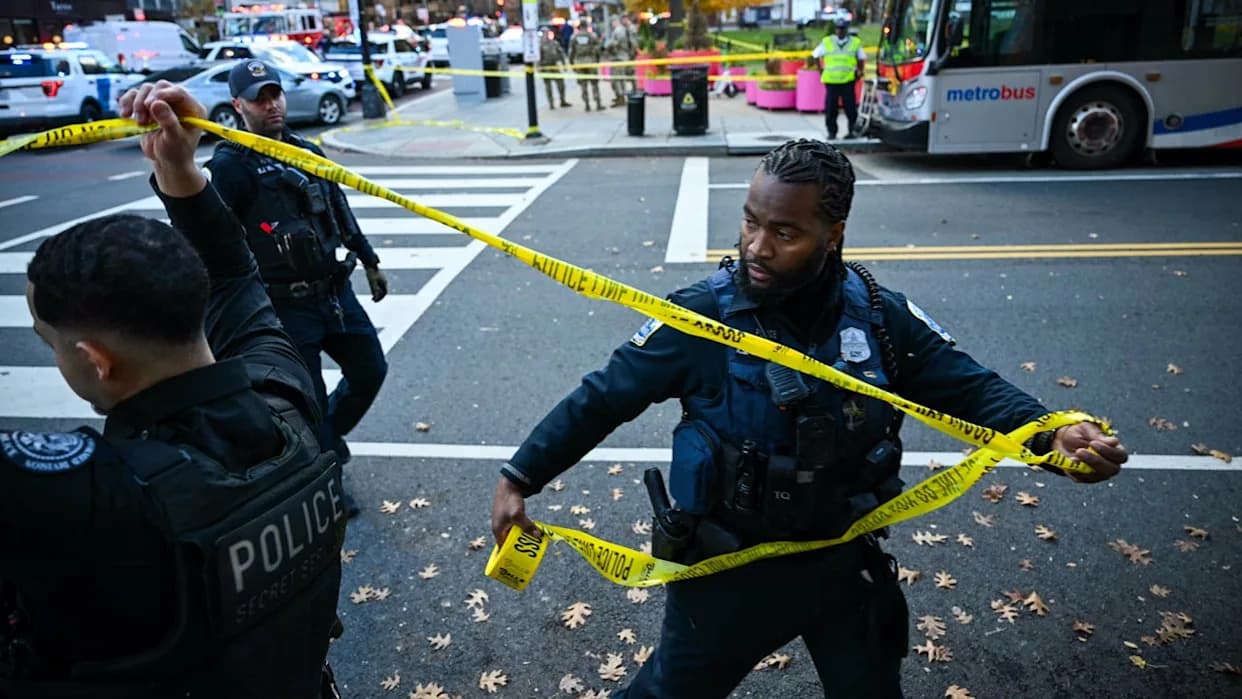
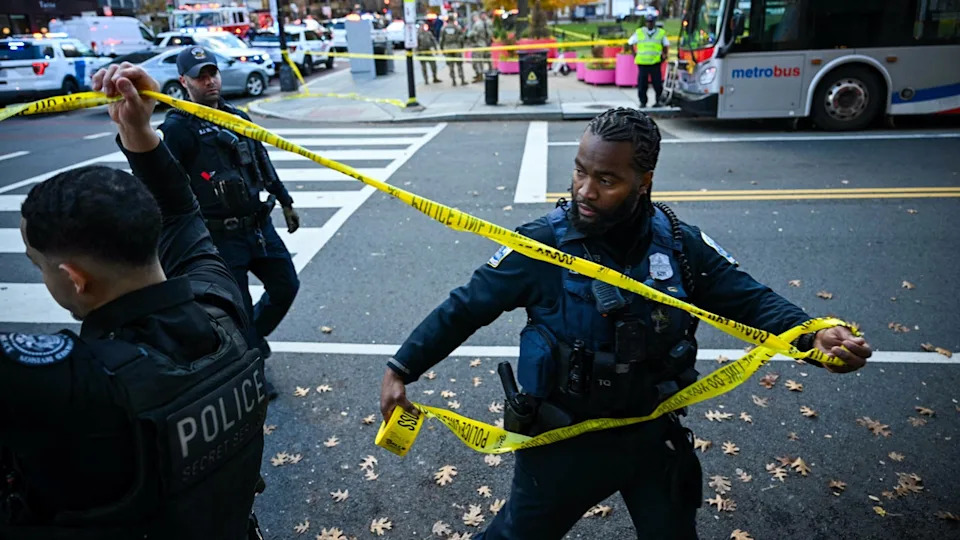
Police officers secure the area with crime scene tape after a shooting in downtown Washington, D.C., on Nov. 26, 2025. Two National Guard members were shot near the White House, and police detained a suspect.(Getty Images)
"Probable cause requires more than reasonable suspicion," Swope said. "It requires a higher degree of certainty: facts and circumstances that would lead a reasonable person to believe a crime has been committed and that an arrest is justified."
D.C. Police Union President Gregg Pemberton also criticized the memo. After the email became public, Pemberton told a local CBS affiliate that the union reviewed the message and concluded officers were correctly refraining from arrests based on mere reasonable articulable suspicion because doing otherwise would be illegal. He described the captain as "uninformed" and questioned his ability to manage district operations.
Context and Next Steps
The episode comes as federal officials, including the current administration, emphasize addressing crime in the District of Columbia. Although FBI data show violent crime in D.C. has declined from a 2023 peak, the city’s per-capita violent-crime rate remains above the national average.
MPD said it is investigating the matter. Fox News Digital and the MPD union were contacted for comment; the department confirmed the email was rescinded and termed some of its contents incorrect. The investigation will determine whether any policy or training issues contributed to the memo and to the incidents Capt. Merrill referenced.
Why it matters: The incident highlights tensions between supervisory pressure to enforce public safety and officers' legal obligations to meet thresholds like probable cause. It also underscores how internal communications can quickly become public and spark scrutiny from unions, legal experts, and the community.