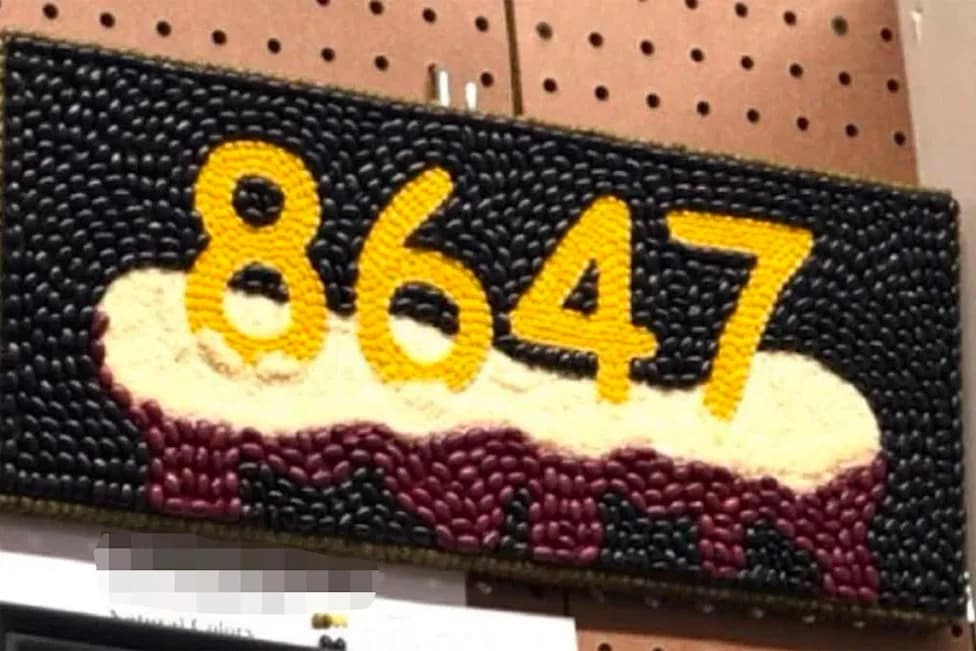
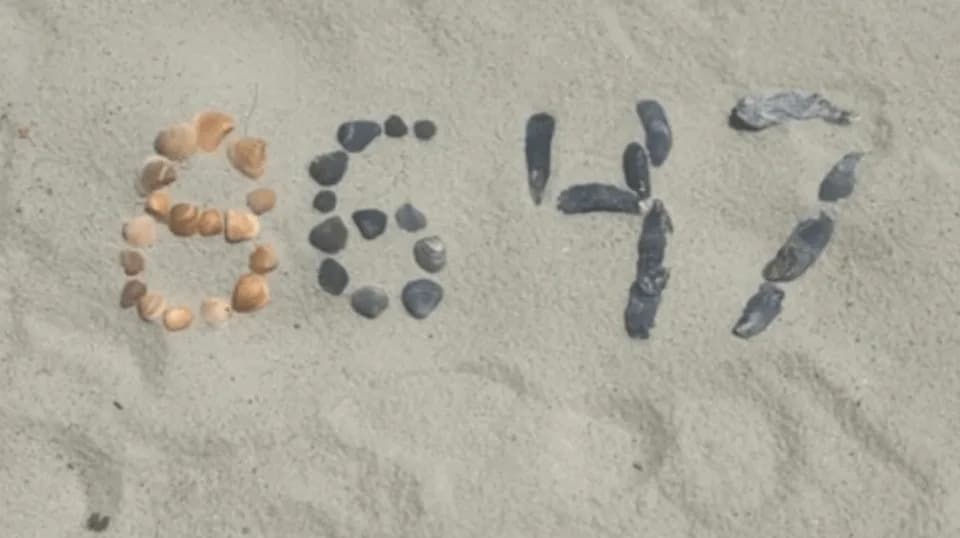
The indictment of former FBI director James Comey over an Instagram photo of seashells arranged as "8647" has renewed scrutiny of merchandise using the same numeric slogan. Legal experts say prosecutions of ordinary buyers and sellers are unlikely because the phrase is generally political expression and lacks a clear, specific intent to threaten. The case will hinge on whether prosecutors can prove the post qualifies as a narrow legal "true threat," and context — including the speaker’s status and surrounding conduct — will be decisive.
Could Wearing an '8647' Hat or T‑Shirt Get You in Legal Trouble? What the Comey Indictment Means for Sellers and Buyers
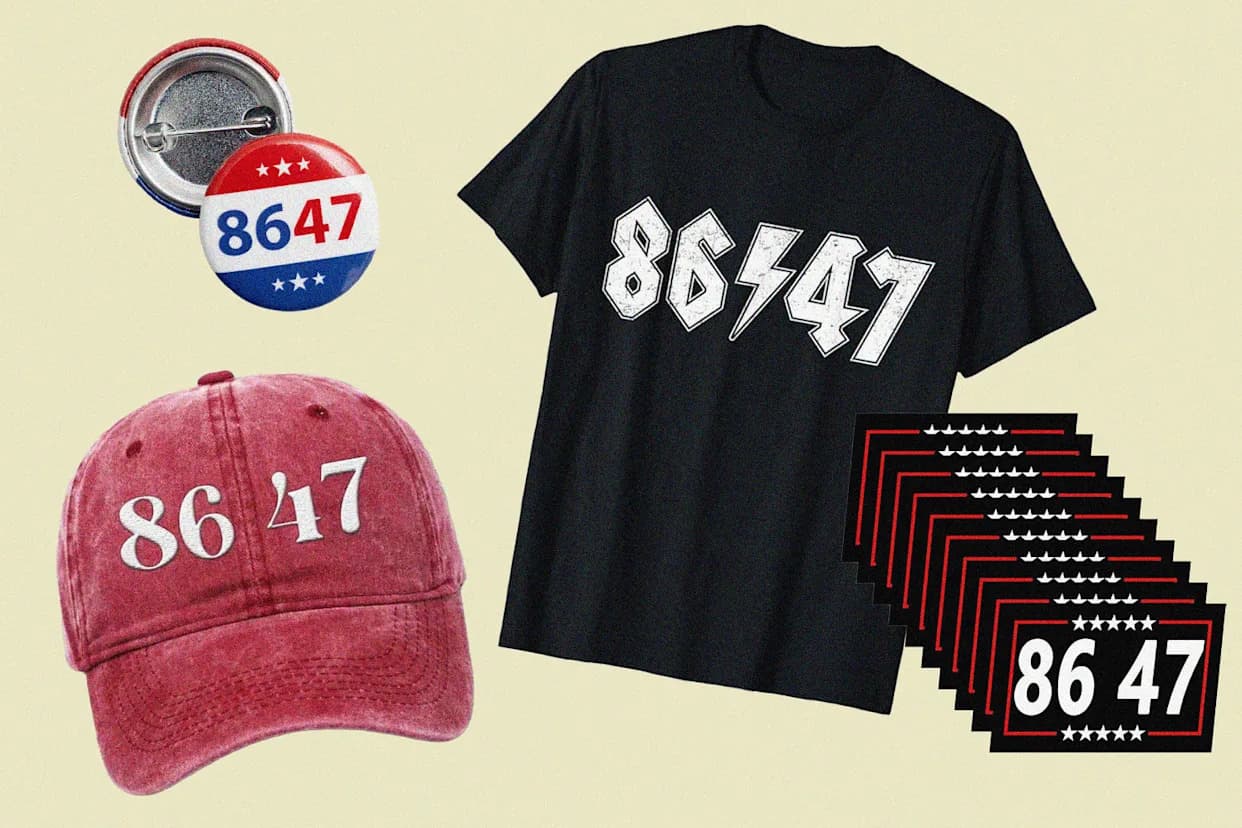
Hundreds of 8647 products are for sale online on Amazon, Etsy and other retailers. (NBC News)(NBC News)
Florida congressional candidate Mark Davis is selling hats and T‑shirts printed with the numbers “8647” on his campaign website — the same numerical shorthand at the center of a criminal case involving former FBI director James Comey. Prosecutors say Comey’s Instagram photo of seashells arranged as 8647 amounted to a threat against President Donald Trump; Comey has pleaded not guilty. The indictment has prompted questions about whether ordinary sellers and buyers of 8647 merchandise could face similar charges.
What Is 8647—and Why Does It Matter?
The sequence 8647 is interpreted by some as shorthand urging the removal of, or action against, President Trump. Supporters of the slogan view it as political expression or symbolic protest; critics argue it can be read as violent or threatening. The debate hinges less on the numbers themselves and more on the surrounding context and the speaker’s intent.
Merchandise and Public Reaction
Davis, an Air Force veteran and father of two who lists his cap for $29.99, said he will continue wearing the hat while campaigning. Hundreds of 8647 products — T‑shirts, hats, stickers and mugs — remain available across major e‑commerce platforms, with prices and designs varying. Amazon and Etsy did not immediately respond to requests for comment.
“Arrest us all. I dare you,” Davis told reporters, defending the slogan as a response to what he described as political intimidation.
Legal Experts: Intent Is The Key
Legal analysts interviewed by NBC News emphasize that intent is central to whether speech crosses into criminal conduct. Under U.S. law the “true threat” doctrine narrows criminal liability for threatening speech: prosecutors must typically show that a speaker intentionally communicated a serious expression of intent to commit violence.
Former federal prosecutor Neama Rahmani told NBC News that “8647 is not a true threat to the president,” noting that “86” is conventionally slang for ejecting or dismissing, not killing. Rahmani said prosecutions of casual sellers or buyers are unlikely absent other evidence showing a deliberate intent to threaten.
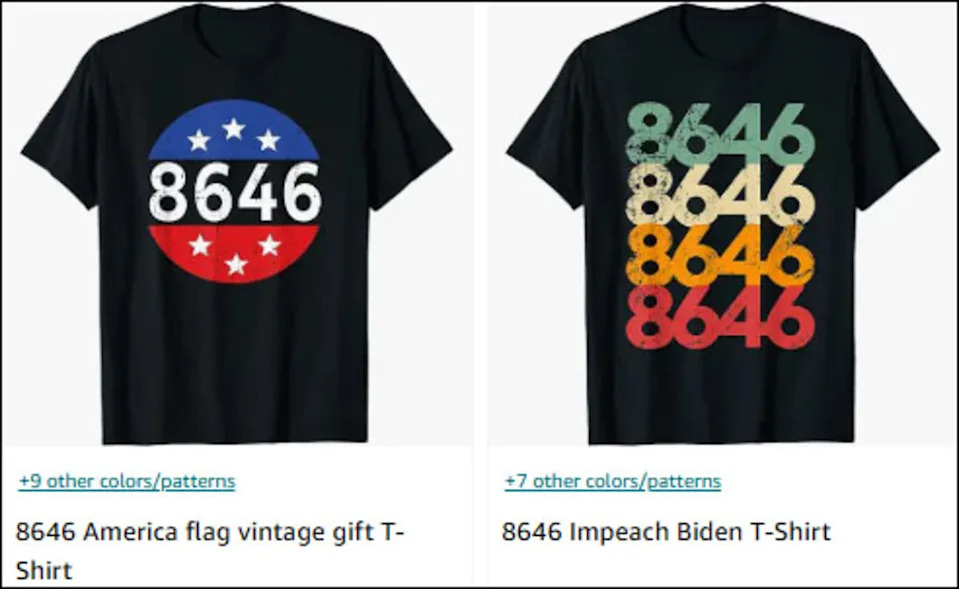
8646 shirts available on Amazon.
Former federal prosecutor Katie Cherkasky added that the Comey case will likely turn on whether prosecutors can prove the seashell image qualified as a “true threat” and whether Comey — as a former FBI director and public figure — appreciated the risk that the image could be read as violent. The defense is expected to argue ambiguity: major dictionaries define “86” as to eject, dismiss or remove, supporting a reading in favor of protected political speech.
Grand-Jury Process And Comparisons
Acting Attorney General Todd Blanche said grand juries do not decide indictments based on a single image alone and that every matter requires an investigation. Observers have noted similar shorthand — such as “8646” used against President Joe Biden — circulated without comparable legal action, raising questions about consistency in enforcement. Blanche emphasized that outcomes depend on facts unique to each case.
Where This Leaves Sellers, Buyers And The Public
At present, experts say ordinary sellers and purchasers of 8647 merchandise are unlikely to be prosecuted if their use lacks contextual indicators of a real intent to threaten. But the Comey indictment shows how context matters: the speaker’s status, the surrounding commentary, and any corroborating conduct can change how a message is viewed legally.
For Davis and his supporters, the slogan is a form of political speech and protest. For critics and some federal authorities, the same symbols can raise alarm when considered alongside actual threats or violent incidents. As the legal case proceeds, 8647 merchandise continues to circulate widely online and in public.
Note: This article summarizes reporting and expert commentary; legal outcomes depend on case-specific facts and judicial rulings.
Help us improve.