The U.S. Navy awarded up to $99.7 million to San Francisco AI firm Domino Data Lab to speed detection of Iranian mines in the Strait of Hormuz. The deal expands Domino’s role in Project AMMO and supplies software that trains unmanned underwater vehicles (UUVs) to recognize new mine types in days rather than months. Domino says its platform fuses sonar and visual data and enables rapid model updates in the field. A Navy spokesman had no immediate comment.
U.S. Navy Taps Domino AI To Rapidly Detect Iranian Mines In Strait Of Hormuz
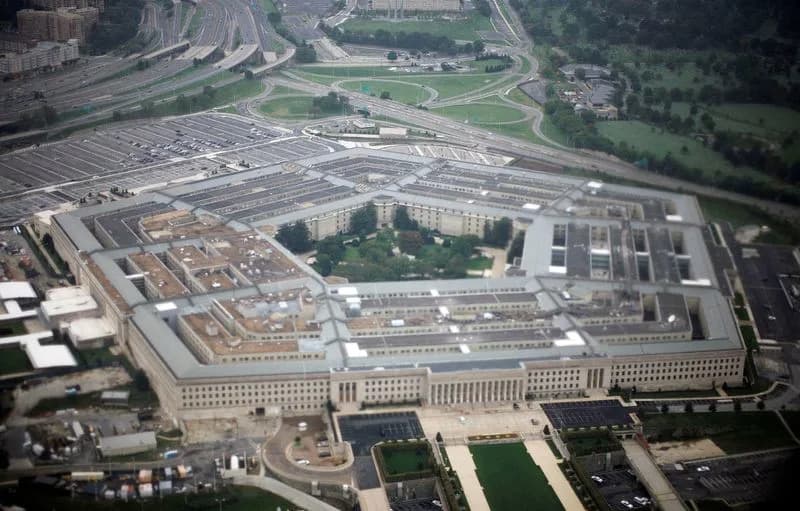
FILE PHOTO: Aerial view of the United States military headquarters, the Pentagon, September 28, 2008. REUTERS/Jason Reed/File Photo
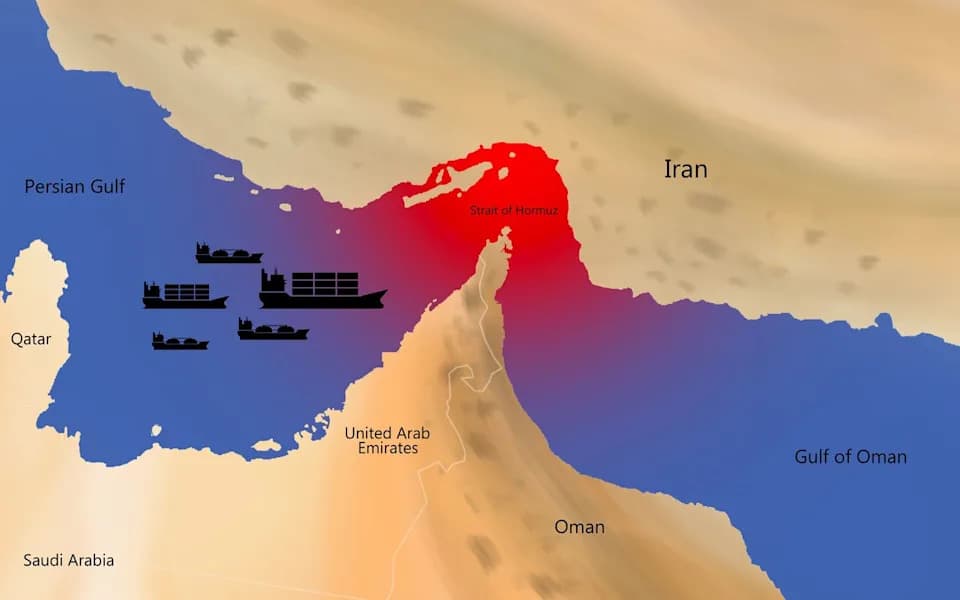
WASHINGTON, May 1 (Reuters) - The U.S. Navy has expanded its use of artificial intelligence to accelerate the search for Iranian naval mines in the Strait of Hormuz, one of the world’s busiest shipping lanes, under a recently awarded contract to San Francisco-based Domino Data Lab.
Contract And Mission
The agreement, valued at up to $99.7 million (commonly cited as roughly $100 million), broadens Domino’s role as the AI backbone for Project AMMO — Accelerated Machine Learning for Maritime Operations — an initiative to make underwater mine detection faster, more accurate and less dependent on human crews.
How The Technology Works
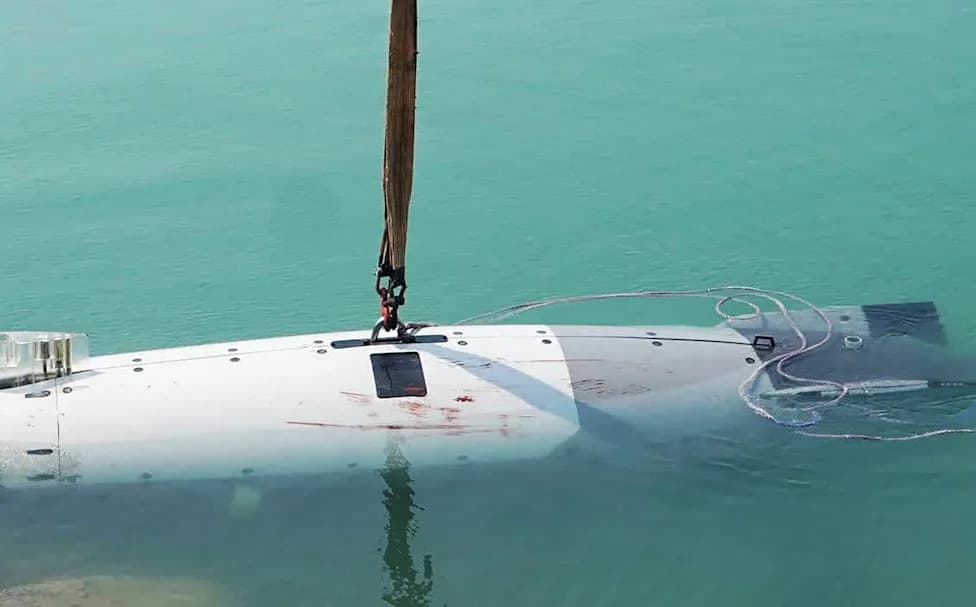
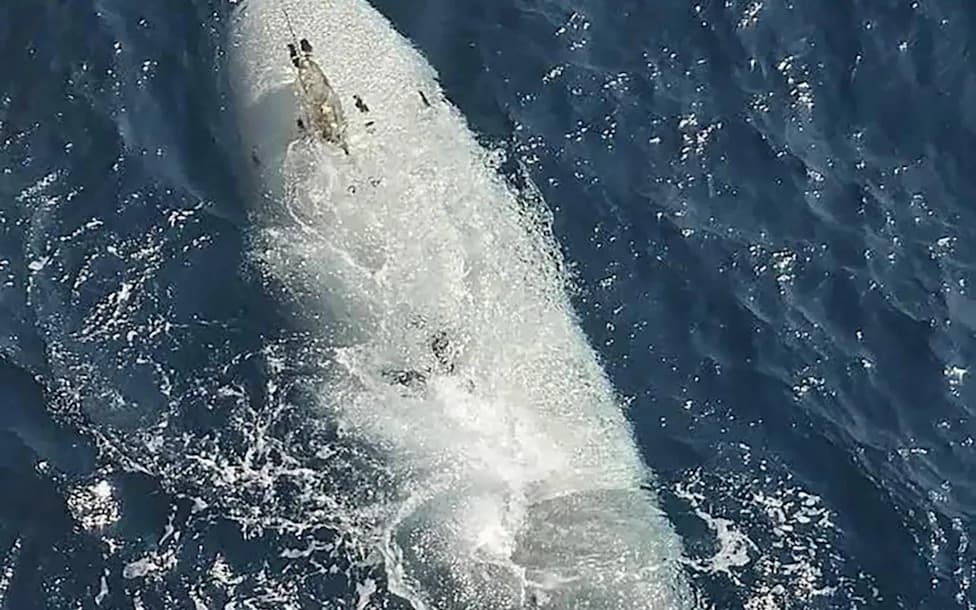
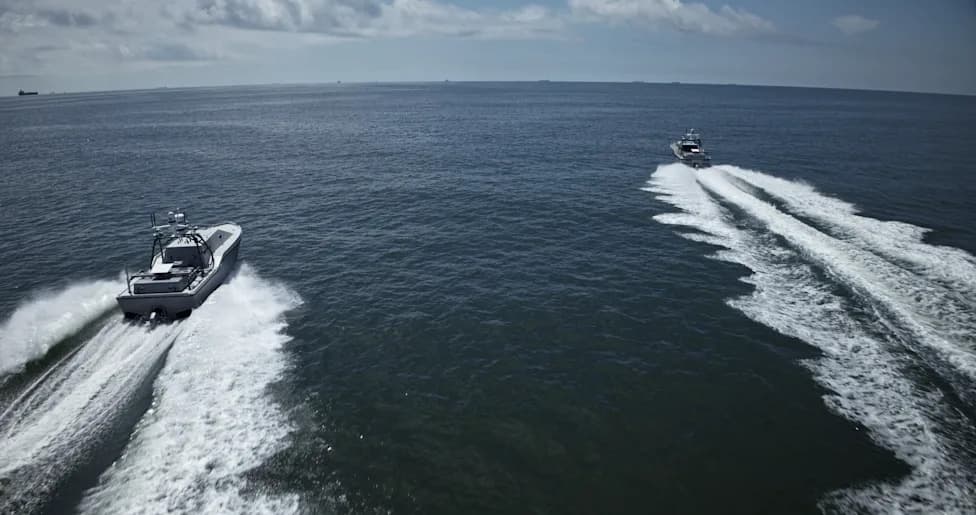
Domino’s software integrates inputs from multiple sensor types, including side-scan sonar and visual imaging, and supports the unmanned underwater vehicles (UUVs) that sweep seabeds for mines. The platform lets operators monitor AI detection models in operational settings, identify failures, and push corrective updates to deployed systems.
"Mine-hunting used to be a job for ships," said Thomas Robinson, Domino's chief operating officer. "It's becoming a job for AI. The Navy is paying for the platform that lets it train, govern, and field that AI at a speed required for contested waters that block global trade and imperil sailors."
Speed And Operational Value
The core promise is speed: Domino says it has reduced the cycle to update AI models for new or previously unseen mine types from as long as six months to just days. That acceleration could allow UUVs trained in one region to be retasked for a different threat environment in days or a week instead of many months.
Context And Reaction
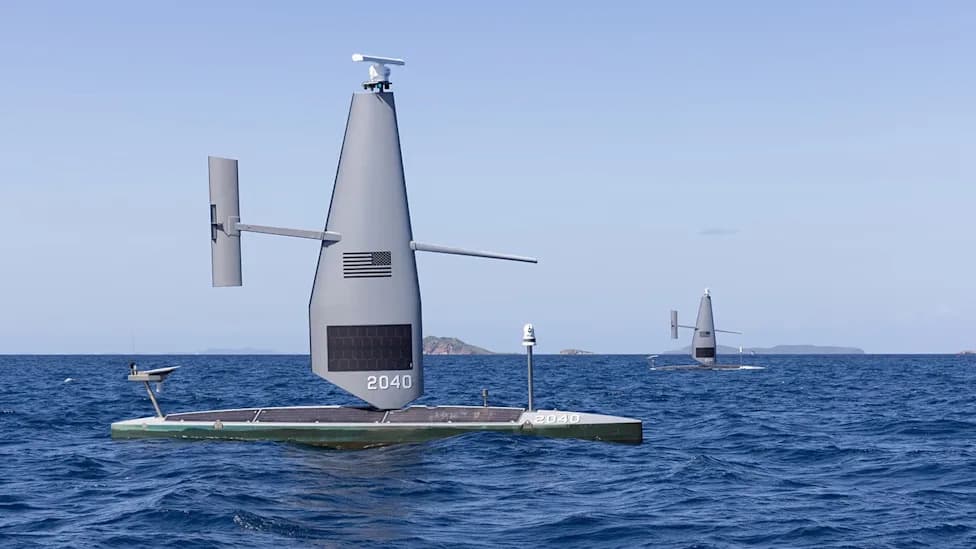
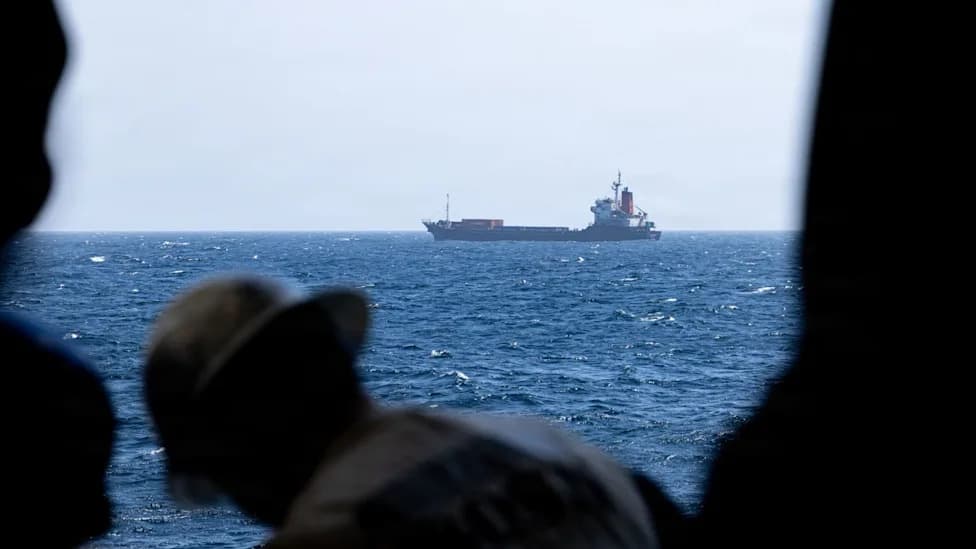
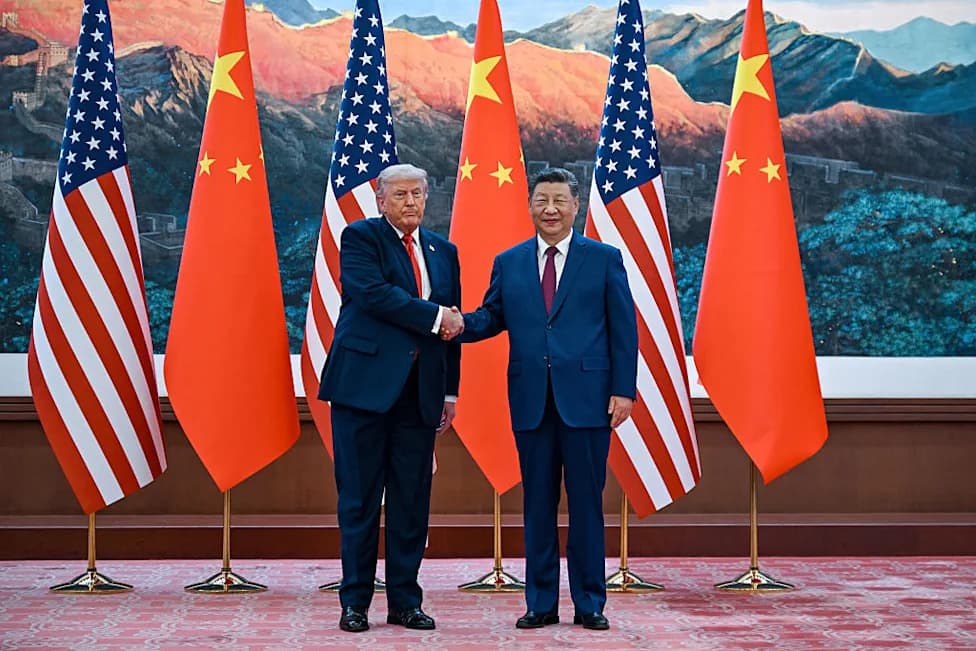
President Donald Trump has said the U.S. Navy is clearing Iranian mines from the Strait of Hormuz, a critical corridor for oil shipments whose disruption could threaten the global economy. Navy operations to sweep underwater explosives could take months, even amid fragile pauses in hostilities.
A Navy spokesman was not immediately available for comment.
Reporting by Mike Stone in Washington; Editing by Tom Hogue.
Help us improve.