Scientists at the Norwich Research Park Innovation Centre and Tropic have produced a gene-edited banana that resists browning for up to 24 hours after being cut by disabling the polyphenol oxidase enzyme. The edits, the company says, alter only the banana's own genes and add no foreign DNA. Tropic claims the fruit could reduce waste, broaden culinary uses and improve resilience, and notes similar edits are approved in 11 countries; UK supermarket approval is still pending.
Gene-Edited Bananas Stay Yellow Up To 24 Hours — Could This Cut Waste and Expand Uses?
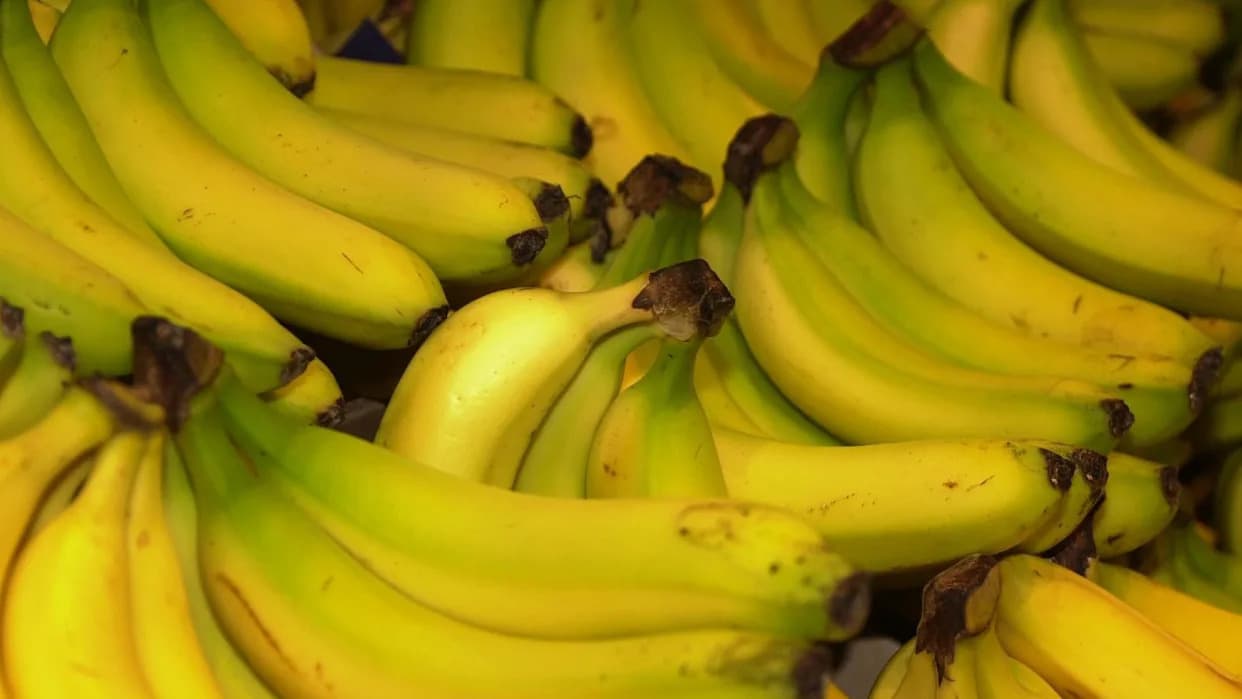
Georgie Oatley said gene editing bananas could help them become resistant to disease and stay fresher for longer [Phil Coomes/BBC]
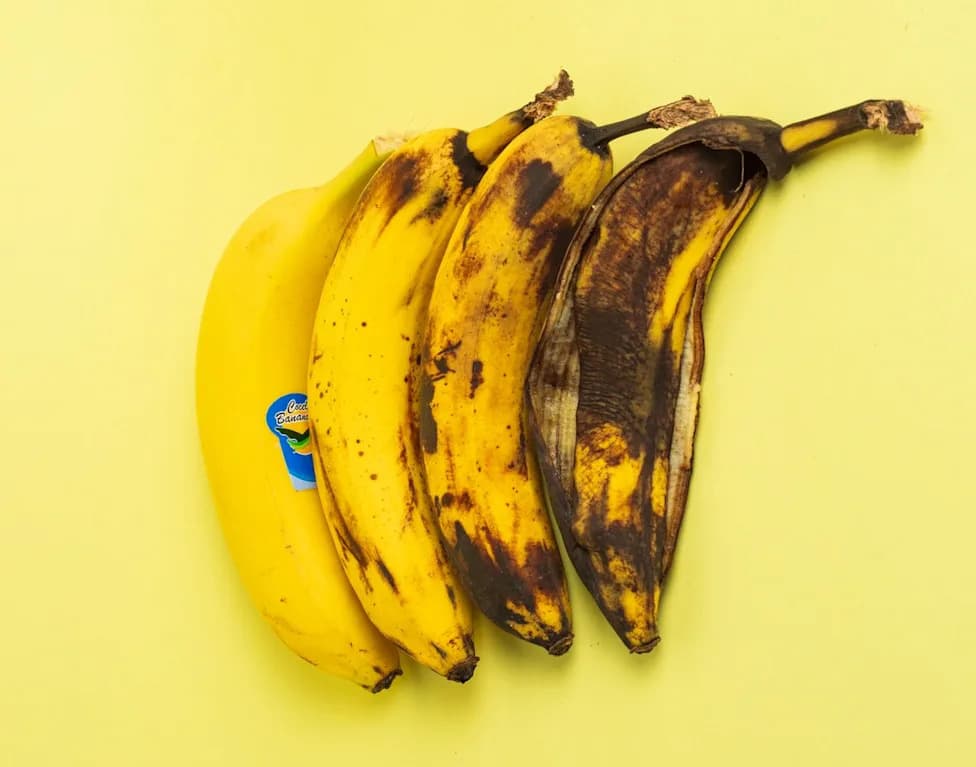
Scientists at the Norwich Research Park Innovation Centre and biotech company Tropic say they have developed a gene-edited banana that resists browning for up to 24 hours after being cut. By disabling the enzyme polyphenol oxidase, the team describes the change as similar to "turning a light switch off," so the fruit remains fresh and yellow for longer and can be used in more recipes.
How the Edit Works
Tropic's researchers used targeted gene-editing techniques to reduce the activity of polyphenol oxidase, the enzyme that reacts with oxygen and causes brown spots in many fruits. According to the company, the edit alters the banana's own genes and does not introduce foreign DNA.

Georgie Oatley said the scientists were able to "fast-forward" evolution [BBC]
Why It Matters
The company says the non-browning bananas can remain yellow for up to 24 hours at room temperature and last several days if stored in a container in the refrigerator. That extended freshness could reduce waste across farms, supply chains, supermarkets and households and broaden culinary uses — from banoffee pie and fruit salads to smoothies and pastries.
"A huge number of bananas are wasted throughout the supply chain and also at home once people have bought them and they have gone brown and aren't eaten," said Georgie Oatley, Tropic's communications manager. "We are able to reduce waste at a farmer level, throughout the supply chain, in the supermarket and at home so it's better for carbon emissions and better for consumers and farmers."
Gene Editing vs Genetic Modification
Oatley and Tropic distinguish gene editing from traditional genetic modification (GM). Gene editing can switch specific genes on or off within the plant's own DNA, while GM often adds genes from other species. Tropic says its edits involve no foreign DNA.
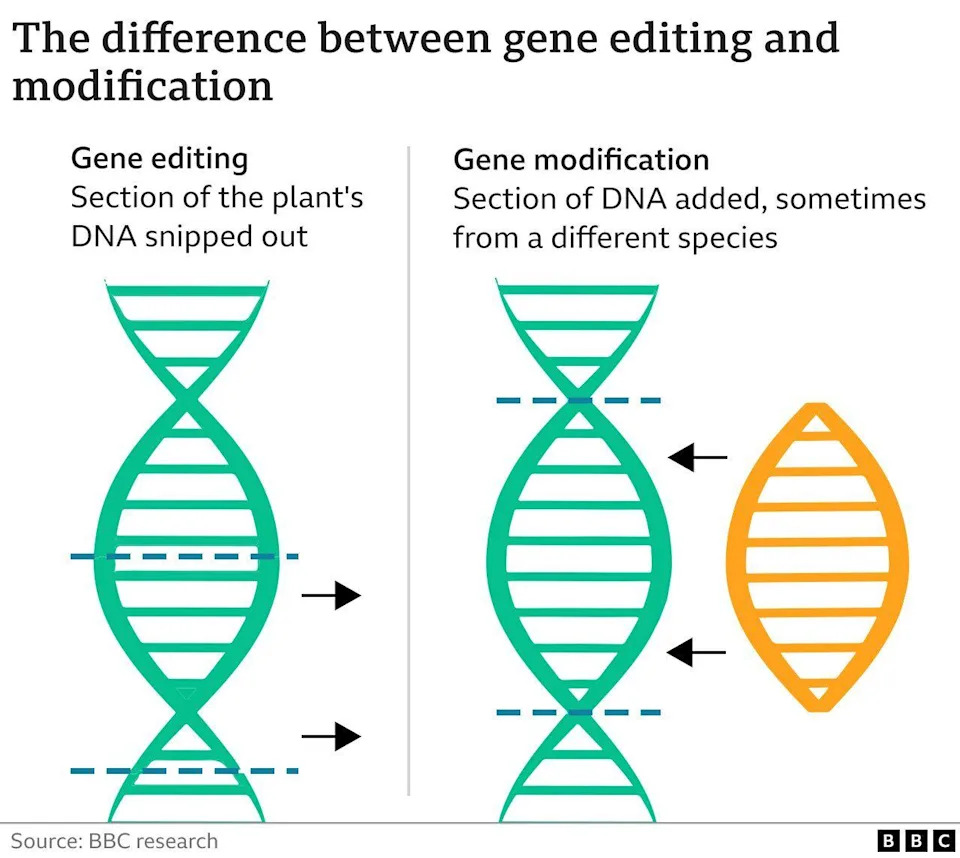
Gene editing involves snipping a section of the plant's DNA out [BBC]
The company also cites the Precision Breeding Act introduced in England in May 2023, which created a regulatory pathway for some precision-bred crops to be developed and sold when the changes could theoretically arise naturally or through conventional breeding.
Regulation, Safety and Availability
While Tropic says similar gene edits have been approved in 11 countries and that the bananas are "very safe," its non-browning variety has not yet received approval for sale in UK supermarkets. Tropic says it can already grow the bananas in Brazil and export to markets such as Japan, which is known for food innovation and strict quality standards. The company hopes to secure UK approval soon and expects the fruit could appear in stores next year if regulators agree.
Consumers and regulators will continue to evaluate safety, labeling and ethics as gene-edited products move toward commercial shelves. Developers argue the technology can cut food waste, reduce emissions related to spoilage and increase the versatility of familiar fruits, while critics call for clear oversight and transparency.
Help us improve.