The DOJ has indicted the Southern Poverty Law Center on 11 counts, alleging at least $3 million in undisclosed informant payments from 2014–2023. Advocates say the SPLC used informants to detect and prevent violence; the DOJ says it manufactured extremism. The author argues the prosecution is part of a broader trend of politicizing federal law enforcement under President Trump and calls for electoral and congressional action to restore independent justice.
Opinion: 'Trump Injustice Department' — DOJ Indicts SPLC, Raising Alarms About Political Prosecutions
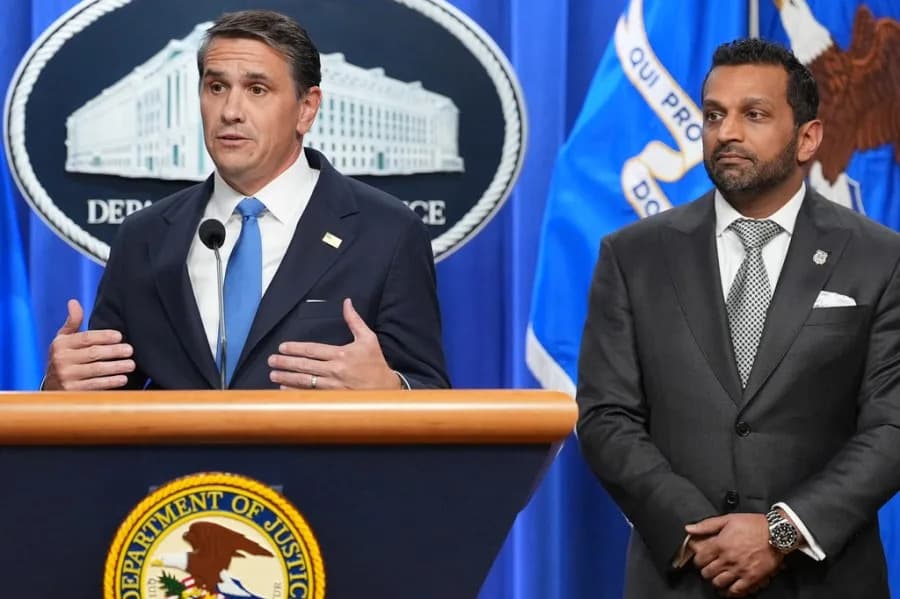
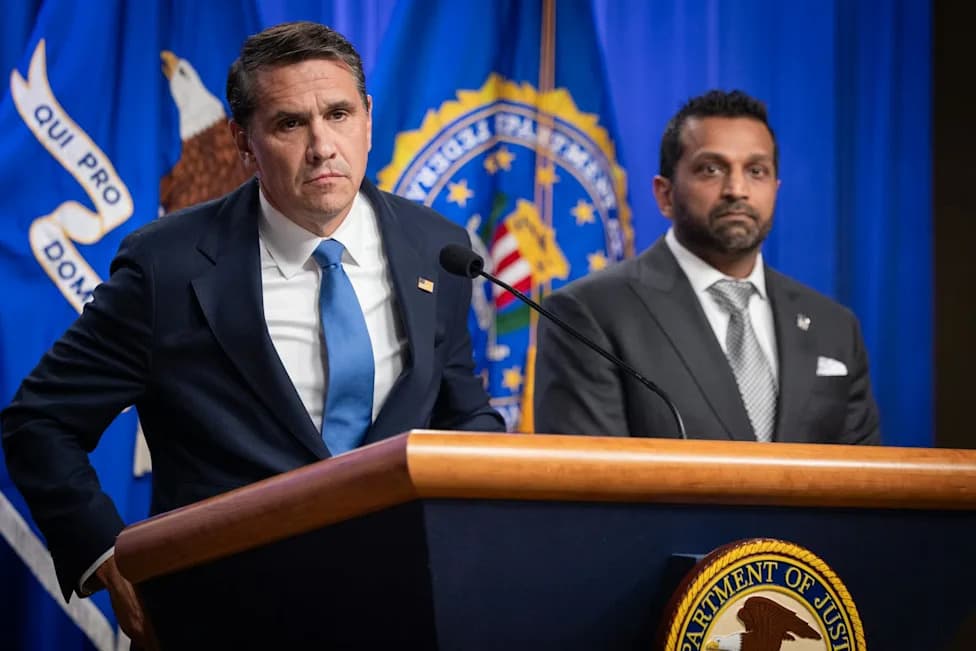
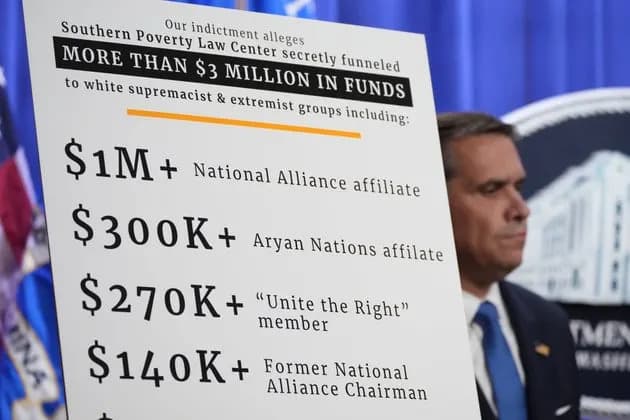
The Department of Justice has indicted the Southern Poverty Law Center (SPLC) on 11 counts — including wire fraud, bank fraud and conspiracy to commit money laundering — alleging the organization paid informants at least $3 million between 2014 and 2023 to infiltrate hate groups without properly disclosing those payments to donors.
What the indictment alleges
An indictment returned by a grand jury claims the SPLC failed to disclose informant payments to donors and, Acting Attorney General Todd Blanche asserts, "was not dismantling these groups. It was instead manufacturing the extremism it purports to oppose by paying sources to stoke racial hatred."
"The SPLC was not dismantling these groups. It was instead manufacturing the extremism it purports to oppose by paying sources to stoke racial hatred." — Acting Attorney General Todd Blanche
SPLC response and context
The SPLC's interim president and CEO, Bryan Fair, rejected the charges as false and said the organization used paid informants to gather intelligence about threats of violence and to share relevant information with local law enforcement and the FBI. According to the piece, FBI Director Kash Patel ended his agency's partnership with the group last October, calling the SPLC "a partisan smear machine."
Using informants to investigate suspected criminal activity is a long-established law-enforcement practice. As the Justice Department's Office of Inspector General observed in a 2005 report, informants have played major roles in federal investigations since the FBI's founding in 1908.
Why this case matters
Beyond the particulars of the indictment, the author argues the prosecution illustrates a concerning pattern: the politicization of the Justice Department under President Trump. The piece links the indictment to other administration actions — an executive order limiting diversity, equity and inclusion programs, changes and laws that can make voting harder for marginalized communities, and funding cuts to programs serving low- and moderate-income people — as part of a broader rollback of protections and gains for Black Americans.
Personal perspective
As an African American who experienced violent racism as a child, the author offers a personal account to underline why groups that monitor and infiltrate dangerous hate movements can be life-saving. He recounts threats to his family in Joliet, Ill., in 1968 following the assassination of the Rev. Martin Luther King Jr., describing how those events shaped his view of organizations that confront violent extremism.
On motive and broader implications
The article asserts Acting AG Blanche announced the charges in part to demonstrate loyalty to President Trump and to position himself as an aggressive prosecutor — a signal that the Justice Department may be used to target the president's political opponents. Drawing on his experience as a former New York state prosecutor, the author argues that pursuing true justice should take precedence over political prosecutions and warns that weaponizing law enforcement undermines constitutional democracy.
Conclusion
The SPLC, the author says, has saved lives by uncovering threats within violent groups and merits scrutiny that is fair and nonpolitical — not criminal indictments aimed at silencing or exhausting critics. The piece closes by calling for electoral accountability and for Congress to reassert oversight to preserve the independence of the Justice Department.
About the author: A. Scott Bolden is an attorney, NewsNation contributor, former chair of the Washington, D.C. Democratic Party and a former New York state prosecutor.
Help us improve.