Jerome Powell will remain on the Federal Reserve Board after his term as chair ends on May 15, using his remaining governor term through 2028 to safeguard the Fed's independence. He says a Justice Department inquiry into renovation costs was effectively an attempt to pressure him to cut interest rates, a claim reinforced when a judge blocked subpoenas as lacking evidence. Powell warns such attacks threaten the Fed's credibility and its ability to make monetary policy without political influence.
How Trump’s Pressure on Jerome Powell Backfired — And What It Means For Fed Independence
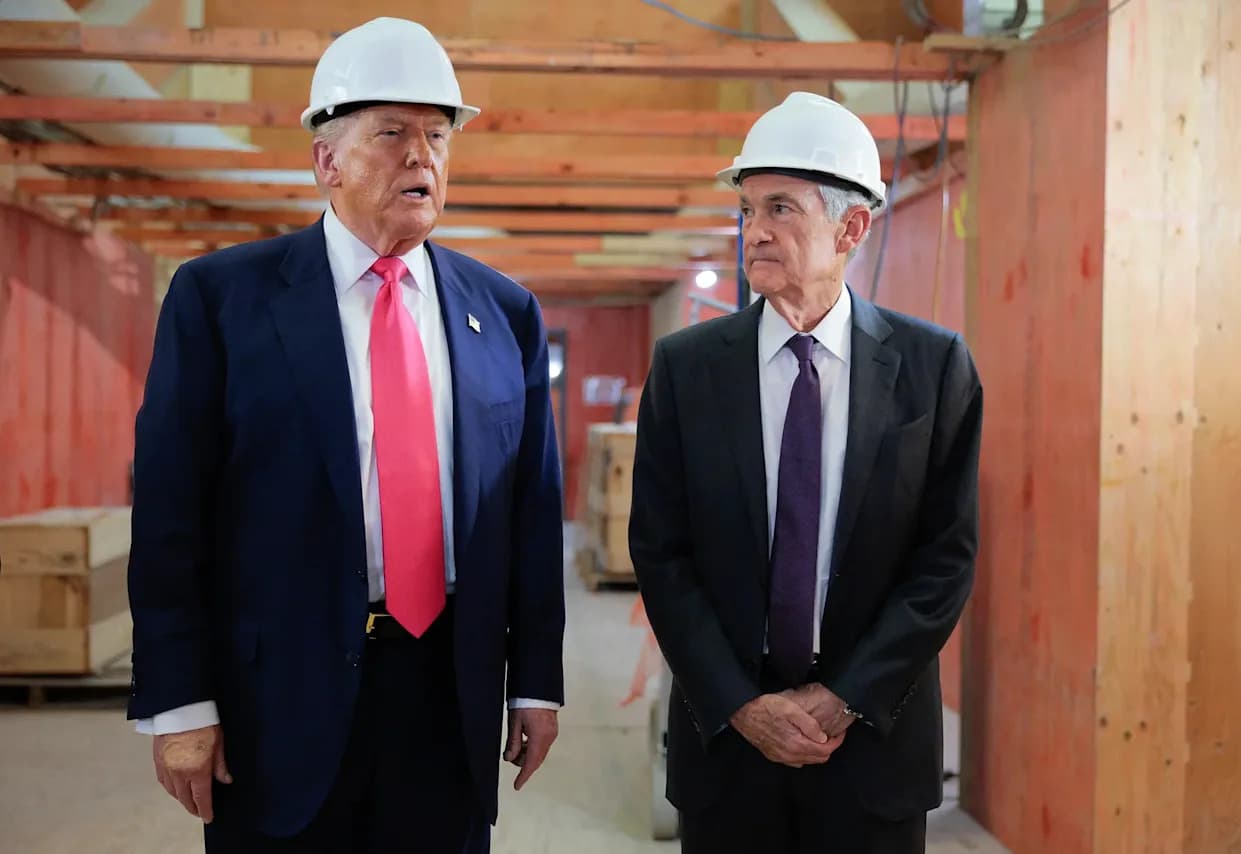
How Trump’s pressure tactics against Jerome Powell backfired
Federal Reserve Chair Jerome Powell has announced he will remain on the Fed's Board of Governors after his term as chair ends on May 15, using the remainder of his governor term through 2028. His decision — a break from a 75-year norm in which outgoing chairs leave the board — underscores how aggressive political pressure can produce unintended consequences and highlights the stakes for the Fed's institutional independence.
Why Powell Is Staying
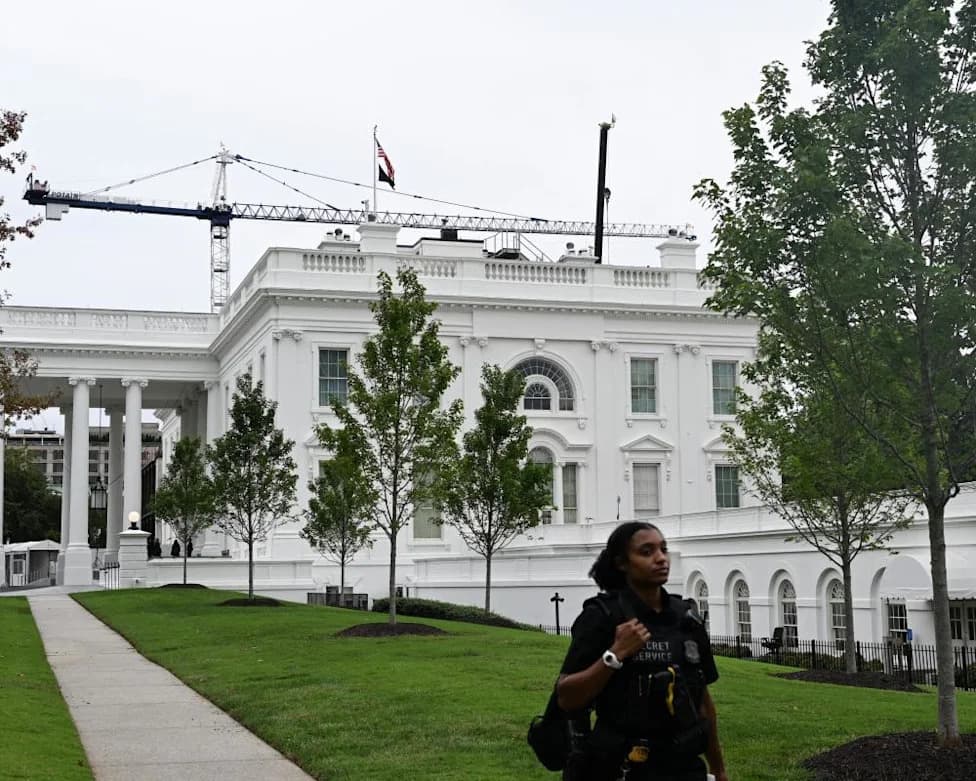
Powell said he had originally planned to step down from the board, but that a Justice Department criminal inquiry into renovation cost overruns at the Fed's headquarters effectively forced his hand. He characterized the probe as a thinly veiled attempt to coerce him into lowering interest rates to satisfy the president's political aims.
'I'm literally staying because of the actions that have been taken,' Powell said at a news conference. He added that he had long planned to retire, but that the inquiry made it necessary to remain until matters are fully and transparently resolved.
Legal Pushback And Political Context
U.S. District Judge James Boasberg recently blocked subpoenas tied to the investigation, writing that there was 'essentially zero evidence' to suspect Powell of a crime and suggesting the subpoenas' dominant purpose was to harass and pressure him to yield to the President or to resign. The Justice Department has said it is dropping the probe for now but left open the possibility of reopening it; the White House has indicated the matter may be referred to the inspector general.
What This Means For The Fed
Powell has warned that such political attacks risk 'battering the institution' and undermining the Fed's ability to set monetary policy free from political considerations. By remaining on the board, he both signals the Fed's resilience and prevents the White House from immediately filling his seat with a loyalist. That could matter if a future chair is more inclined to yield to political pressure.
Broader Implications
Critics pointed to Kevin Warsh, President Trump's nominee for Fed chair, who during his Senate hearing declined to plainly say whether Trump lost the 2020 election — an equivocation that raised concerns about his willingness to resist political influence. Powell's decision has been framed by supporters as an act to protect the Fed's credibility and the public interest, demonstrating how heavy-handed tactics can backfire when aimed at officials committed to institutional norms.
Bottom line: Powell's choice to remain on the board is both a defensive move to protect the Fed's independence and a direct rebuke to pressure tactics that seek to politicize monetary policy.
Help us improve.