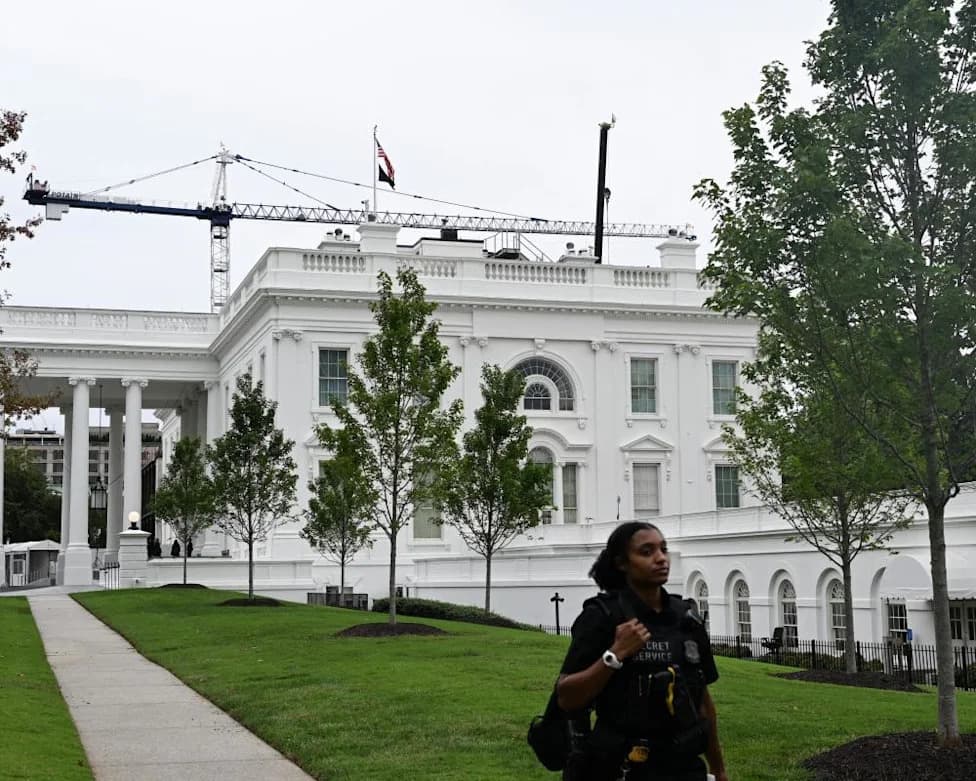
The Supreme Court’s 6-3 ruling that narrows parts of the Voting Rights Act has triggered a bipartisan rush to redraw congressional maps. Republicans in Southern states moved swiftly to target majority-Black districts, while Democrats signaled plans to redraw maps in blue states to reduce GOP seats. The decision weakens the Thornburg v. Gingles (1986) framework, raising concerns about diluted minority representation and a wave of partisan mapmaking ahead of the midterms.
Supreme Court Ruling Triggers Bipartisan Redistricting Rush
The Supreme Court's recent 6-3 decision that reduces parts of the Voting Rights Act has set off a fast-moving, bipartisan scramble to redraw congressional maps. Leaders in both parties are now openly discussing plans in states they control to reshape districts in ways that could cost opponents seats ahead of the midterms.
Immediate Reactions and Moves
Republican officials in states such as Louisiana and Tennessee moved quickly after the ruling, calling for special sessions and map changes to target majority-Black districts and vulnerable Democratic incumbents. In Louisiana — which led the challenge — GOP lawmakers aimed to remake the seat the court found problematic. In Tennessee, top Republican gubernatorial contenders urged the legislature to dismantle the Memphis majority-Black district.
Democrats, alarmed by the decision's impact on minority representation, nonetheless signaled they would use the new legal landscape to redraw maps in blue states to reduce Republican seats — even if those plans could make some Black incumbents’ races more competitive. States mentioned in public comments and planning include California, Virginia, Illinois, New York and Colorado.
Legal Context
The ruling alters how courts evaluate race-conscious redistricting and moves away from protections that arose from the Court's 1986 decision in Thornburg v. Gingles, which had required consideration of majority-minority districts as remedies for discriminatory maps. With that precedent weakened, both parties are recalculating how to pursue partisan advantage while navigating (and testing) the new legal boundaries.
Timing And Practical Limits
Not every state can act immediately. Timing of primaries and filing deadlines will constrain some states — for example, Texas cannot reopen its March primary — while other states, like Tennessee, could delay or call special sessions to change maps before upcoming contests.
Voices And Stakes
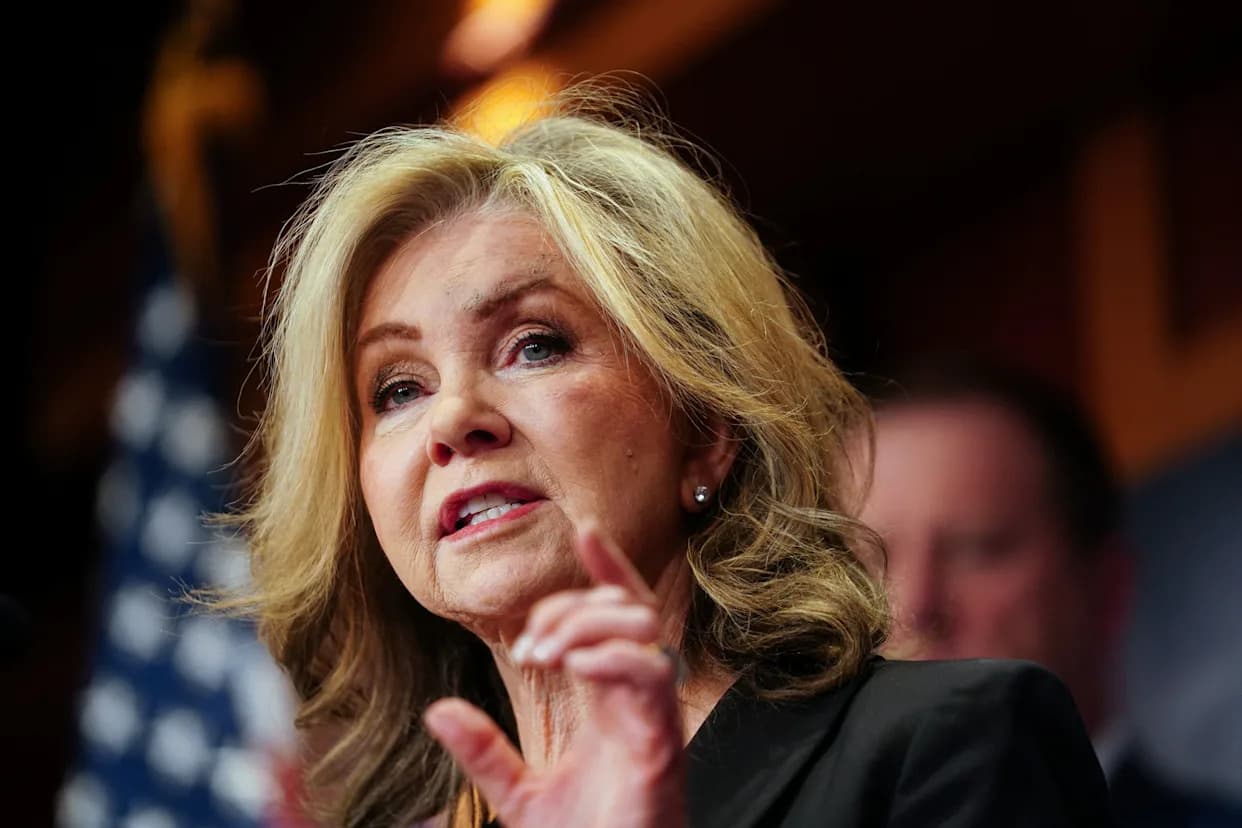
Key figures reacting to the decision include House Speaker Mike Johnson, who urged states with problematic maps to act before the midterms; House Minority Leader Hakeem Jeffries, who pledged to fight redistricting changes that harm Democratic incumbents; Sen. Marsha Blackburn and other Republican leaders who urged rapid action; and members of the Congressional Black Caucus who warned the ruling could dilute Black voting power.
Rep. Steve Cohen (TN) warned that splitting Memphis into majority-rural districts would make city voters an afterthought for their representatives. ‘‘With this change, their votes will be irrelevant,’’ he said.
What To Watch
- Which state legislatures call special sessions or accelerate redistricting plans.
- Whether blue states alter or abandon previously supported independent-commission rules to secure partisan advantage.
- Legal challenges and court fights testing the new standard for race-conscious mapping.
The decision is likely to reshape congressional delegations and intensify partisan mapmaking nationwide, with consequences that may be felt immediately in some states and unfold across election cycles in others.
Help us improve.