The entire five-member jury of the Venice Biennale resigned after announcing it would not consider awarding artists from Russia or Israel, citing human rights concerns tied to ICC warrants for their leaders. The resignation intensifies a controversy that began when organisers readmitted Russia to the exhibition for the first time since 2022. Italy's Culture Ministry has opened inquiries and the European Commission warned it could suspend funding. Organisers have allowed visitor voting for all artists and postponed official awards until November.
Venice Biennale Jury Resigns Amid Row Over Excluding Russian and Israeli Artists
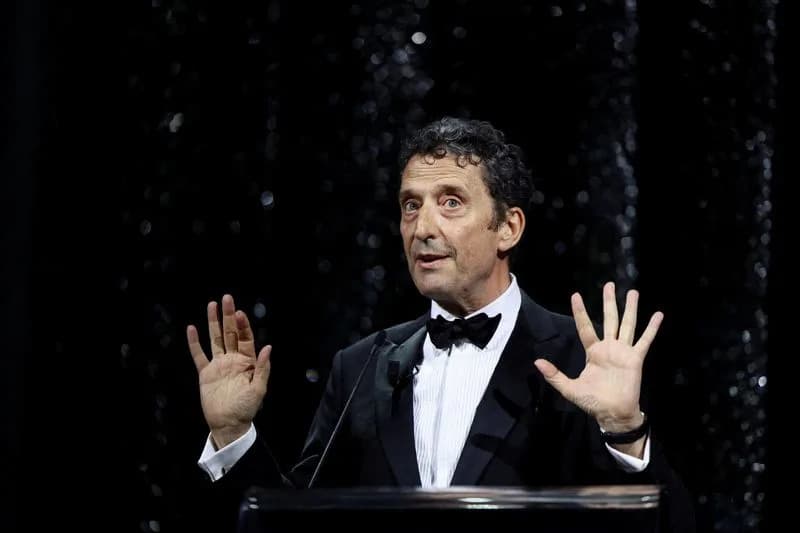
FILE PHOTO: President of the Venice Biennale Pietrangelo Buttafuoco speaks during the closing ceremony of the 82nd Venice International Film Festival, in Venice, Italy, September 6, 2025. REUTERS/Yara Nardi/File Photo
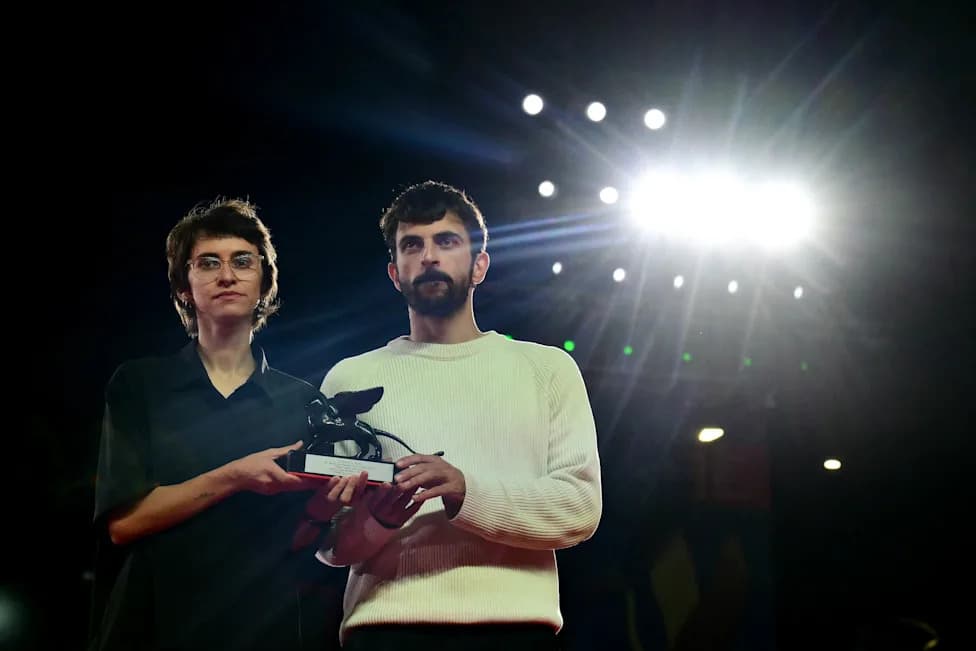
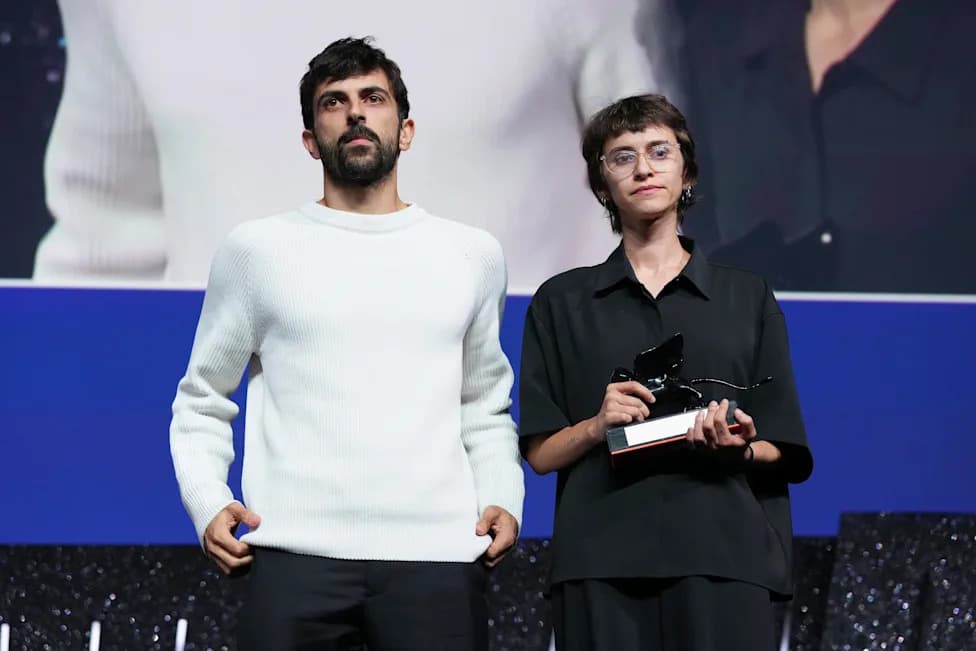
ROME, April 30 — The entire five-member jury of the Venice Biennale International Art Exhibition resigned on Thursday, organisers said, after the panel announced last week it would not consider awarding artists from Russia or Israel.
The move deepens a dispute that has engulfed one of the art world's most prestigious events just days before its scheduled May 9 opening. The Biennale did not give an official reason for the resignations, describing only that the panel had stepped down.
Jury's Stance And Fallout
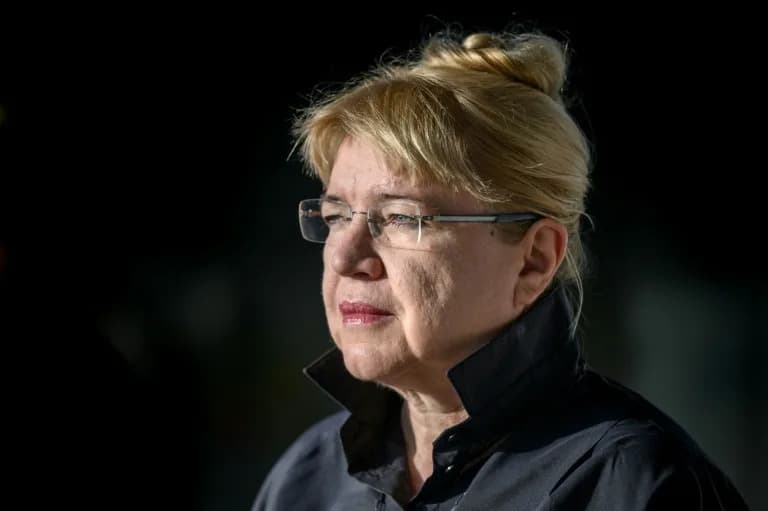
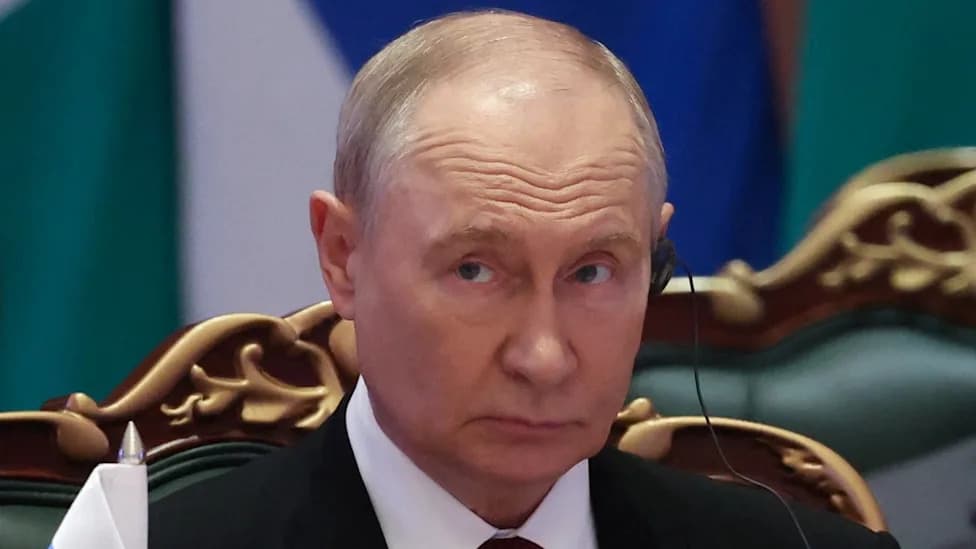
The jury, chaired by Brazilian curator Solange Farkas, said it would, "in the defence of human rights," refrain from judging works from countries whose leaders face charges at the International Criminal Court (ICC). Under that principle, it said, only Russia and Israel were affected after the ICC issued arrest warrants for Russian President Vladimir Putin over the war in Ukraine and for Israeli Prime Minister Benjamin Netanyahu in connection with the Gaza conflict.
"In the defence of human rights," the jury announced when explaining its decision to exclude works from those two countries.
The decision prompted immediate criticism. Israeli sculptor Belu Simion Fainaru, who is exhibiting at Venice, accused the jury of racial discrimination and threatened legal action. The controversy has also drawn strong reactions from political and EU institutions.
Political And Institutional Pressure
The dispute began to escalate in March, when organisers said Russia would return to the Biennale for the first time since Moscow's 2022 invasion of Ukraine. Italy's government objected strongly to readmitting Russia, and the European Commission warned it could suspend or terminate a €2 million grant if the Russian pavilion was reopened this year.
Biennale President Pietrangelo Buttafuoco defended the festival as "a space of coexistence for the whole planet," rejecting calls for censorship. Meanwhile, Italy's Culture Ministry dispatched inspectors to Venice to investigate how the decision to readmit Russia was made and to look for any procedural irregularities that might justify rescinding the invitation.
What Happens Next?
The Biennale said it did not criticise the jury's boycott, noting the panel — which included Zoe Butt, Elvira Dyangani Ose, Marta Kuzma and Giovanna Zapperi alongside Farkas — had acted with "full autonomy and independence." Organisers also announced that visitors would, for the first time, be able to vote for their favourite artists among all participants, including Russians and Israelis, and that the award ceremony would be postponed until the end of the event in November rather than taking place next week.
It remains unclear who will now decide the recipients of the Golden and Silver Lion awards or whether works from Russia and Israel will once again be eligible for official prizes.
($1 = 0.8530 euros)
Help us improve.